
Maintaining the striking appearance and health of the black-stemmed dogwood requires a consistent approach to seasonal care throughout the year. Gardeners often value this particular variety for its unique dark bark, which provides architectural interest even in the bleakest winter months. To ensure the plant thrives, you must pay attention to its specific environmental needs and growth habits within your local landscape. This comprehensive guide details the essential steps for keeping your shrubs vibrant and vigorous for many seasons to come.
Understanding the growth cycle
The annual growth cycle of this shrub begins with the emergence of lush green foliage in the early spring months. During this phase, the plant focuses its energy on developing strong leaves and expanding its root system within the soil. You will notice that the stems are less colorful during the summer as the plant prioritizes photosynthesis and nutrient storage. Understanding this transition helps you appreciate the shifting aesthetic value of the shrub across different seasons.
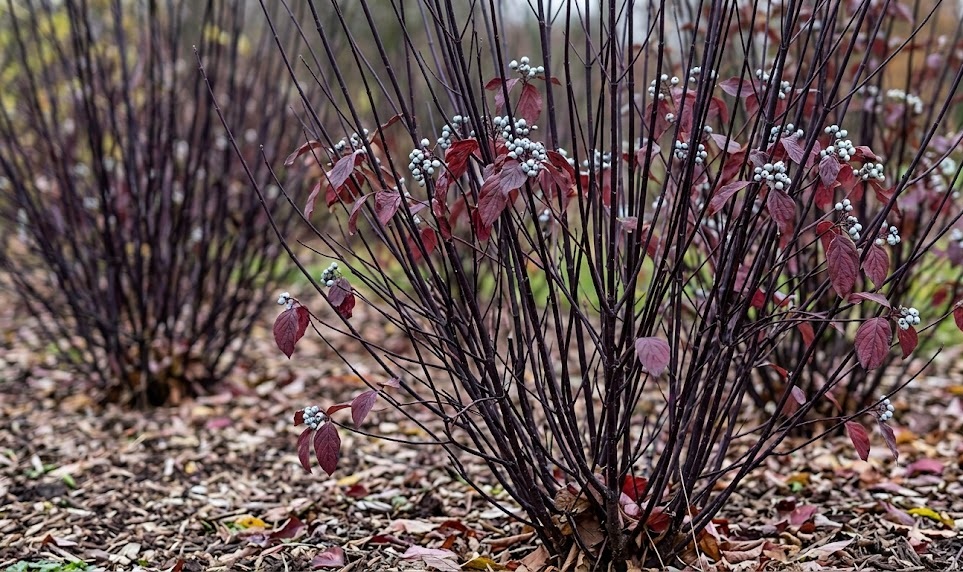
As autumn approaches, the foliage typically turns shades of purple or red before eventually dropping to the ground. This dormancy period is actually when the shrub reaches its peak visual impact because the dark stems become fully exposed. The intensity of the black or deep purple bark color is a direct result of the plant’s health during the previous growing season. Providing the right care during the summer ensures a more dramatic display once the leaves are gone.
Monitoring the growth rate is also vital for long-term maintenance planning in any garden setting. These shrubs are known for being relatively fast growers, which means they can quickly fill a designated space if left unchecked. You should observe how much new wood is produced each year to determine the intensity of future maintenance tasks. A healthy plant will show several inches of new, supple growth that eventually hardens into the characteristic dark bark.
Finally, observing the overall structural integrity of the plant helps identify potential issues before they become serious problems. Check for any signs of crossing branches or overcrowded center areas that might restrict airflow through the canopy. Maintaining an open structure prevents many common fungal issues and allows light to reach the inner stems. Regular observation is the cornerstone of successful gardening and ensures your dogwood remains a focal point.
More articles on this topic
Soil management and nutrition
The foundation of a healthy black-stemmed dogwood lies in the quality and composition of the soil where it is planted. These plants generally prefer moisture-retentive soil that is rich in organic matter to support their rapid growth habits. If your garden has heavy clay or very sandy soil, you will need to amend it regularly to improve the structure. Adding well-rotted compost or leaf mold can significantly enhance the soil’s ability to hold nutrients and water.
Maintaining a slightly acidic to neutral pH level is ideal for ensuring that essential minerals remain available to the roots. You can perform a simple soil test every few years to check the acidity levels and adjust accordingly with sulfur or lime. When the pH is out of balance, the plant may exhibit chlorosis, where the leaves turn yellow while the veins remain green. Correcting soil chemistry is often more effective than simply adding more fertilizer to a struggling plant.
Mulching is a critical component of soil management that provides multiple benefits for the root system throughout the year. Applying a thick layer of organic mulch around the base of the shrub helps suppress weeds and regulates soil temperature. As the mulch breaks down over time, it slowly releases nutrients back into the earth, feeding the microbial life. Ensure that the mulch does not touch the actual stems of the plant to prevent rot and pest issues.
Aeriating the soil occasionally can also help prevent compaction, especially in high-traffic areas of the garden or heavy soils. Compaction limits the amount of oxygen available to the roots, which can stunt growth and lead to a decline in stem color. You can use a garden fork to gently loosen the earth around the drip line without damaging the sensitive root hairs. Healthy soil biology is the engine that drives the beautiful aesthetic display of the black stems.
More articles on this topic
Environmental stability and placement
Choosing the correct location for your shrub is perhaps the most important decision for its long-term care and maintenance. While these plants are quite hardy, they perform best in spots that offer a balance of light and protection from harsh winds. Strong winds can dry out the stems and foliage, leading to scorched edges and reduced vigor during the summer. A sheltered position helps the plant maintain its moisture levels and prevents physical damage to the brittle winter stems.
Consider the surrounding plants when deciding where to place or keep your dogwood within the garden layout. Planting it near lighter-colored evergreens or silver-foliaged plants creates a stunning contrast that highlights the dark bark. You should also ensure that nearby trees are not casting too much heavy shade, which could weaken the plant over time. Proper spacing between plants allows for adequate sunlight penetration and encourages a more uniform growth pattern.
Drainage is another environmental factor that requires careful monitoring, especially during periods of heavy or prolonged rainfall. While dogwoods enjoy moisture, they should never sit in stagnant water for extended periods of time. Poor drainage can lead to root rot, which is often fatal and difficult to treat once it has taken hold. If your chosen spot tends to collect water, consider planting on a slight mound to improve the runoff.
Temperature fluctuations in the early spring can sometimes cause stress to the newly emerging buds and tender leaves. If a late frost is predicted, you might consider covering young or recently pruned plants with a light frost cloth. Established shrubs are generally resilient, but protecting the initial growth helps maintain the plant’s energy levels for the rest of the year. Being proactive about environmental changes allows you to mitigate risks before they affect the plant’s health.
Tools and equipment for maintenance
Having the right tools on hand makes the care of your black-stemmed dogwood much easier and more efficient for any gardener. High-quality bypass pruners are essential for making clean cuts that heal quickly without tearing the bark or wood. You should also keep a pair of loppers nearby for thicker branches that exceed the capacity of hand shears. Keeping your blades sharp and clean is the best way to prevent the spread of diseases between different plants.
Disinfecting your equipment before and after use is a professional practice that significantly reduces the risk of cross-contamination. You can use a simple solution of rubbing alcohol or a mild bleach mixture to wipe down the cutting surfaces. This is especially important if you have recently worked on a plant that showed signs of illness or pest infestation. Taking a few extra minutes for tool hygiene can save hours of work treating preventable infections later on.
A sturdy garden fork and a reliable watering system are also key components of your maintenance toolkit for these shrubs. The fork allows you to incorporate organic matter and loosen the soil without the aggressive action of a tiller. For watering, a soaker hose or a drip irrigation system is often more effective than overhead spraying. These systems deliver moisture directly to the root zone where it is needed most while keeping the foliage dry.
Storage of your tools is just as important as their use when it comes to maintaining a professional gardening routine. Store your shears and saws in a dry place to prevent rust and degradation of the metal components. Periodically oiling the moving parts of your pruners will ensure they operate smoothly and reduce hand fatigue during long sessions. Well-maintained tools reflect the care you put into the plants themselves and lead to better results.
Monitoring plant health and vigor
Regular inspections are the best way to catch potential problems before they escalate into major issues for your dogwood. You should walk through your garden at least once a week to look for changes in leaf color or stem texture. Early detection of spots, holes, or wilting can often be managed with simple cultural adjustments rather than heavy chemicals. Paying attention to the details of the plant’s appearance allows you to understand its specific needs.
Look for signs of stress, such as premature leaf drop or a dulling of the bark color during the winter months. These symptoms often indicate that the plant is not receiving enough water or is struggling with nutrient deficiencies. You might also notice a lack of new growth, which suggests that the plant has become stagnant and may require rejuvenation. A vigorous plant should always show some signs of active development during the appropriate seasons.
The presence of beneficial insects in and around your shrubs is a good indicator of a healthy garden ecosystem. Predatory bugs like ladybugs and lacewings help keep aphid populations under control without your intervention. Encourage these natural helpers by avoiding broad-spectrum pesticides that might harm the helpful species alongside the pests. A balanced environment is much easier to maintain than one that relies solely on human interference.
Keep a simple garden journal to track the performance of your black-stemmed dogwood over several different years. Note the dates of leaf emergence, flowering, and the intensity of the bark color each winter season. This record will help you identify patterns and determine if your current care routine is producing the desired results. Over time, you will develop a deep understanding of how this plant responds to your unique local climate.
Enhancing aesthetic value through care
The primary reason most people grow the black-stemmed dogwood is for its exceptional visual impact in the landscape design. To maximize this beauty, you must ensure the plant remains healthy enough to produce the vibrant bark colors. Dusty or dirty stems can appear dull, so some gardeners occasionally rinse the bare branches with water in late autumn. This simple act removes environmental grime and allows the true depth of the dark purple or black to shine.
Think about how the plant interacts with light during the shorter days of the autumn and winter seasons. Positioning the shrub where it can be backlit by the low winter sun can create a glowing effect on the stems. Proper pruning, which will be covered in detail elsewhere, also plays a massive role in the aesthetic quality of the shrub. By removing old, graying wood, you make room for the bright, new stems that carry the most intense color.
Using companion plants with contrasting textures can further enhance the appearance of your well-cared-for dogwood. Fine-textured grasses or broad-leafed evergreens provide a backdrop that makes the architectural lines of the stems stand out. Consider the view from your windows when planning the layout to ensure you can enjoy the display from inside the house. A thoughtful design ensures that your hard work in the garden is visible and appreciated throughout the winter.
Finally, remember that the beauty of the shrub is a reflection of its internal vitality and the care it receives. A plant that is struggling with drought or poor soil will never produce the same level of color as a thriving one. By following a professional care routine, you are investing in a living piece of art for your outdoor space. The rewards of a healthy, black-stemmed dogwood are well worth the effort required to maintain it.
Long-term sustainability and maturity
As your black-stemmed dogwood matures, its needs will change, and you must adapt your care routine accordingly over time. Older shrubs may develop thicker, more rugged bark that loses some of the intense coloration found on younger stems. To maintain the youthfulness of the plant, you may eventually need to implement a more aggressive rejuvenation strategy. This ensures that the shrub remains a productive and beautiful member of your garden for many decades.
Consider the long-term impact of the plant on its surrounding environment as it grows larger and more established. You may need to prune back neighboring plants that have begun to encroach on the dogwood’s space and light. Maintaining the integrity of the original planting site is key to preventing the shrub from becoming stressed or overshadowed. A mature dogwood can be a magnificent specimen if it is given the room it needs to thrive.
Periodic soil replenishment is necessary for older plants that have exhausted the nutrients in their immediate root zone. You can top-dress the area with fresh compost every spring to maintain a high level of fertility without disturbing the roots. Monitoring the soil structure is also important, as years of watering and foot traffic can lead to deep-seated compaction. Sustainable care practices focus on the health of the entire ecosystem rather than just the individual plant.
Ultimately, the goal of a professional care plan is to create a self-sustaining and resilient shrub that requires less intervention over time. Once the plant is fully established, it becomes much more tolerant of environmental fluctuations and minor pest pressures. By providing a strong start and consistent maintenance, you ensure that the black-stemmed dogwood remains a staple of your garden. Enjoy the process of watching the plant grow and evolve through the changing seasons of your life.