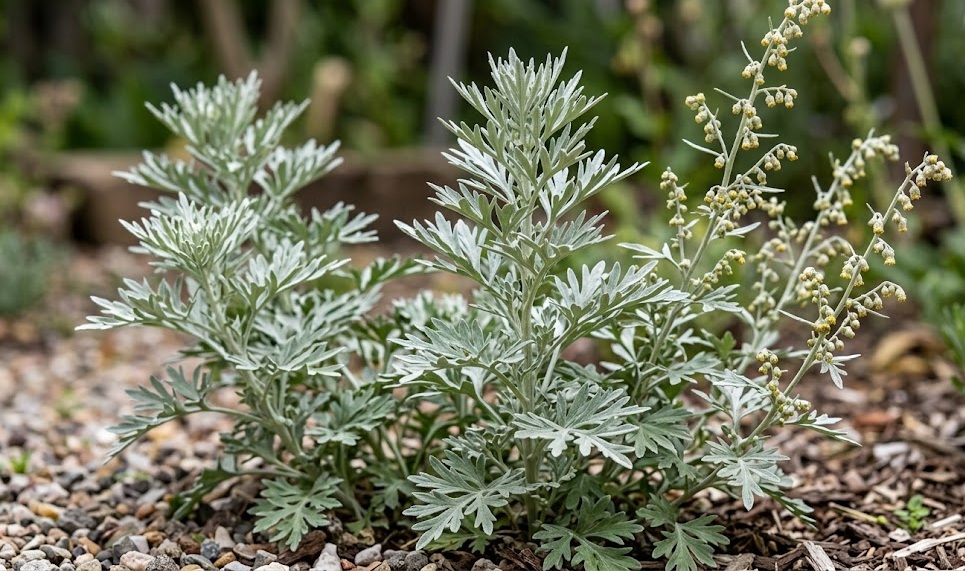

Protecting your wormwood from potential threats is an essential part of maintaining a beautiful and healthy garden space. While this plant is famous for its natural repellent properties, it is not completely immune to all issues. You will find that most problems can be avoided through good management and careful observation of the growing environment. Understanding the specific pests and diseases that can affect this herb allows you to act quickly and effectively if trouble ever arises.
Common fungal and humidity issues
The most frequent challenges you will face with wormwood are related to moisture and lack of airflow around the leaves. You might notice a white, powdery substance appearing on the foliage, which is a common sign of powdery mildew. This typically happens when the air is humid but the soil is dry, or when the plants are spaced too closely together. You can manage this by improving the ventilation and ensuring the plant gets plenty of bright sunlight to dry the leaves.
Downy mildew is another fungal issue that can cause yellow patches to appear on the upper side of the silvery leaves. You will find that this disease thrives in cool, wet weather where the foliage stays damp for long periods. You should avoid overhead watering and try to keep the area around the base of the plant free from decaying organic matter. Removing any affected branches as soon as you see them helps prevent the fungus from spreading to the rest of the herb.
Root rot is a serious condition that occurs when the soil stays waterlogged for too long, cutting off oxygen to the roots. You will see the plant suddenly wilting even when the soil is wet, which is a clear indicator that the root system is failing. Preventing this is much easier than curing it, so always prioritize well-draining soil and careful watering habits. If a plant is severely affected by rot, it is often best to remove it entirely to protect the health of the rest of the garden.
Rust is a less common but still possible fungal disease that manifests as small, orange or brown pustules on the undersides of the leaves. You should keep an eye out for these spots during periods of prolonged rainy weather in the spring or autumn. If you detect rust, you should prune away the infected parts and dispose of them in the trash, not the compost pile. Keeping the garden clean and tidy is your first line of defense against almost all types of fungal infections.
More articles on this topic
Managing insect pests and visitors
Wormwood is actually used in many natural insect repellents, which means it is rarely bothered by common garden pests like aphids or beetles. However, you might occasionally find small caterpillars or leaf rollers that decide to take a nibble of the bitter foliage. You can usually manage these visitors simply by picking them off by hand and moving them to a different part of the yard. You will find that the intense flavor of the plant is enough to discourage most insects from causing significant damage.
Spider mites can sometimes become a problem during very hot and dry weather when the plant is under stress. You might notice fine webbing between the stems and a dulling of the leaf color if these tiny creatures are present. You can often dislodge them with a gentle spray of water or by increasing the local humidity slightly around the plant. Keeping the plant well-hydrated during heatwaves makes it much less attractive to these opportunistic little pests.
Root-knot nematodes are microscopic worms that live in the soil and can cause swellings on the roots of many different plants. You might suspect their presence if the wormwood looks stunted and weak despite having perfect light and water conditions. Rotating your crops and incorporating plenty of organic matter into the soil can help keep nematode populations under control. Healthy, vibrant soil is naturally full of beneficial organisms that help keep these harmful pests in check.
Occasionally, you might see small flies or gnats hovering around the base of the plant if the soil is kept too damp. These insects are usually more of a nuisance than a direct threat to the health of the established herb. You can easily discourage them by allowing the top layer of the earth to dry out completely between your watering sessions. Maintaining a clean and dry soil surface is the best way to keep these uninvited guests from making a home in your garden.
More articles on this topic
Utilizing natural repellent properties
One of the most fascinating aspects of growing wormwood is its ability to protect itself and its neighbors from various pests. The plant produces a compound called absinthin, which gives it its characteristic bitterness and serves as a natural deterrent. You can take advantage of this by planting it near more vulnerable species that are frequently attacked by insects. You will find that the strong scent acts as a biological shield that helps maintain the overall balance of your garden.
Many gardeners use dried wormwood leaves to create natural sachets that keep moths and other pests away from stored clothing. You can harvest the stems in midsummer and hang them to dry in a cool, dark place to preserve their protective qualities. This traditional use of the plant is a great way to bring the benefits of your garden inside your home. Knowing how to use the plant’s own defenses makes your gardening journey much more integrated and purposeful.
The bitter juices of the plant also make it very unattractive to larger animals like deer or rabbits that might wander into your yard. You can use wormwood as a perimeter plant to help discourage these creatures from munching on your more delicious vegetables or flowers. It is a humane and effective way to manage wildlife interactions without the need for fences or chemical deterrents. You will appreciate the peace of mind that comes from having such a naturally resilient protector in your landscape.
Even though it is a repellent for many, the plant can still be part of a healthy and diverse ecosystem for beneficial insects. You might see certain types of predatory wasps or ladybugs using the dense silver foliage as a place to hide or hunt. Supporting these helpful “garden police” is a key part of organic pest management that works with nature rather than against it. Your garden becomes a small but vital sanctuary where every plant and insect has a specific role to play.
Preventative measures and garden hygiene
The best way to handle any disease or pest is to make sure it never gets a foothold in your garden in the first place. You should always start with healthy, high-quality plants from a reputable source to avoid bringing problems into your space. Inspect every new addition carefully for any signs of hidden hitchhikers or unusual spots on the leaves. A little bit of caution at the beginning saves you a lot of work and frustration later in the season.
Keeping your garden tools clean and sharp is an essential habit for every professional gardener. You should sanitize your shears with a light alcohol solution after working on a plant that shows any signs of stress. This prevents the accidental transfer of bacteria or fungus from one part of the garden to another during your pruning sessions. Your commitment to hygiene reflects your respect for the health and vitality of the living things under your care.
Removing fallen leaves and debris from around the base of the plant is another simple but effective preventative step. Decaying organic matter can harbor spores and eggs that will emerge when the weather conditions are right for them. You should aim for a “clean floor” policy in your herb beds to ensure that the air can circulate freely at all levels. A tidy garden is not just about aesthetics; it is a fundamental part of a proactive health management strategy.
Monitoring the local weather and being aware of seasonal trends helps you anticipate when problems might arise. You can take extra precautions, like adjusting your watering or providing temporary shade, when you know the conditions are favoring certain pests. Being one step ahead of nature allows you to maintain a calm and steady approach to your gardening tasks. Your experience and intuition will grow with every season you spend observing the unique patterns of your outdoor world.
Professional treatment solutions
If you do encounter a persistent issue that requires a more direct intervention, always start with the mildest possible options. You can use a simple mixture of water and a small amount of organic soap to wash away certain pests or light fungal growth. This approach is often very effective without harming the beneficial insects or the delicate chemistry of the soil. You will find that most minor problems can be solved with these gentle, household-oriented solutions.
For more stubborn fungal diseases, organic copper-based sprays or sulfur powders can be used as a targeted treatment. You should apply these products strictly according to the instructions and only during the parts of the day when the sun is not too intense. These treatments work by creating an environment where the fungus cannot survive or spread any further. Always wear appropriate protection and be mindful of the wind direction when using any kind of treatment in your garden.
Neem oil is another popular organic choice that works as both a fungicide and an insecticide for many common garden issues. You can use it as a preventative spray or to treat an active infestation on your wormwood and other herbs. It is derived from a natural source and breaks down quickly in the environment without leaving harmful residues behind. Having a bottle of high-quality neem oil on hand is a great addition to your professional gardening toolkit.
After treating a plant for any disease or pest, give it some extra care to help it recover its strength and vitality. You might want to provide a bit of extra mulch or a very light dose of organic compost once the problem is under control. Keep a close watch on the new growth to ensure that the issue does not return as the weather changes. Your dedication to following through with the recovery process ensures that your wormwood stays a permanent and beautiful part of your garden.