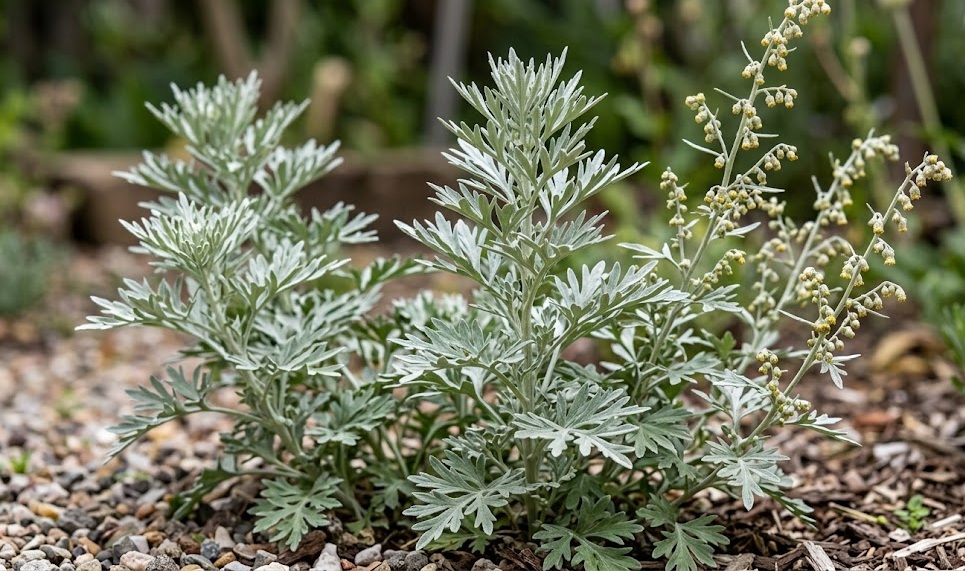

Mastering the technique of pruning is the key to maintaining the structural integrity and aesthetic beauty of your wormwood. This plant has a natural tendency to become woody and sprawling if it is left to its own devices for too many seasons. You will find that a thoughtful approach to cutting back the stems actually encourages a more vibrant and healthy display of silver foliage. Understanding the best timing and methods for pruning allows you to keep your herb garden looking professional and well-managed.
Annual maintenance and tidying
The most important pruning task you will perform is the annual “tidy up” that takes place in the early spring of each year. You should look for the new growth that is just starting to emerge from the base of the plant or along the lower stems. This is the perfect time to remove the dead, brown stalks that remain from the previous year’s growth cycle. Clearing away this old material makes room for the fresh silver leaves to expand and ensures better airflow through the center of the bush.
During the active growing season, you can also perform light pruning to maintain the shape and size of the plant in your garden bed. You should pinch back the tips of the young stems to encourage more branching and a denser, more attractive habit. This prevents the plant from becoming too tall and leggy, which can often lead to it splitting or falling over in the wind. A little bit of regular attention keeps the wormwood looking neat and well-integrated into your overall landscape design.
If you are harvesting the leaves for practical use, you are essentially performing a type of pruning that benefits the plant. You should always make your cuts just above a set of leaves to encourage new shoots to grow from that point. Avoid taking more than a third of the overall foliage at one time to ensure the plant has enough energy to recover quickly. This sustainable approach to harvesting keeps your herb productive and healthy throughout the warm summer months.
Removing the flower stalks before they fully open is another technique used by many professional gardeners to keep the plant focused on foliage. While the flowers have their own charm, they can sometimes make the plant look messy and pull energy away from the beautiful silver leaves. You can decide based on your own aesthetic preference whether to let them bloom or to clip them away early. Being intentional about the shape and focus of your plant is a key part of successful gardening.
More articles on this topic
Rejuvenation pruning for older specimens
As wormwood matures, the lower parts of the stems will naturally become very woody and lose their ability to produce new leaves. You might find that the plant starts to look “empty” in the middle, with all the beautiful foliage concentrated at the very tips of long, bare branches. To fix this, you can perform a more drastic rejuvenation pruning every few years to reset the plant’s growth pattern. This process involves cutting the entire plant back to about six to ten inches above the ground in the early spring.
This might seem like a harsh intervention, but you will be surprised at how quickly the plant responds with a flush of vibrant new growth. The fresh stems that emerge from the base will be much stronger and more densely covered in that signature silver foliage. This technique essentially gives an old, tired plant a new lease on life and keeps it from becoming unmanageable in your garden space. You should only perform this type of pruning when the plant is healthy and showing signs of active spring life.
After a heavy rejuvenation cut, it is a good idea to provide the plant with a little bit of extra care to support its recovery. You can apply a light layer of organic mulch around the base and ensure it has consistent moisture as the new shoots appear. You will find that the plant looks much more youthful and professional by the middle of the summer after this treatment. Your willingness to take these bold steps is what keeps a garden looking fresh and vibrant over many years.
If you have multiple wormwood plants, you might want to rotate your rejuvenation pruning so that not all of them are small at the same time. This ensures that you always have some full-sized specimens in your garden while others are in the process of being renewed. Thinking about the long-term cycle of your garden helps you maintain a consistent and beautiful landscape through all the seasons. Every cut you make is a way of guiding the natural energy of the plant toward a more beautiful and functional result.
More articles on this topic
Timing and the right tools for the job
Choosing the correct moment to prune is just as important as the technique you use with your garden shears. You should avoid heavy pruning in the late autumn, as the new growth that might be triggered would be too tender to survive the winter. The best window for major work is always the early spring, just as the plant is waking up from its winter dormancy. This allows the plant to use the full power of the spring growing season to heal its wounds and push out fresh stems.
The quality of your tools also plays a major role in the health of the plant and the success of your pruning efforts. You should always use sharp, clean bypass pruners that make a clean cut without crushing the delicate tissues of the stems. Dull blades can leave ragged edges that are much more susceptible to disease and take much longer to heal over. Your commitment to maintaining your equipment reflects your professional approach to caring for the living things in your garden.
Before you start pruning, it is a good practice to sanitize your tools with a light alcohol solution or a quick flame. This prevents the accidental transfer of pathogens from one plant to another as you move through your herb garden. You should also take a moment to step back and look at the overall shape of the plant before you make any major cuts. Planning your actions allows you to achieve a more balanced and aesthetically pleasing result for your outdoor space.
Finally, remember to dispose of your pruning waste in a responsible way, especially if the plant showed any signs of stress. While healthy wormwood stems can be composted or used for mulch, any diseased material should be removed from the garden entirely. Keeping your workspace clean and organized is part of the professional mindset that leads to a thriving and beautiful garden. Your hard work in the spring will be rewarded with a lush, silver landscape that you can enjoy all year long.