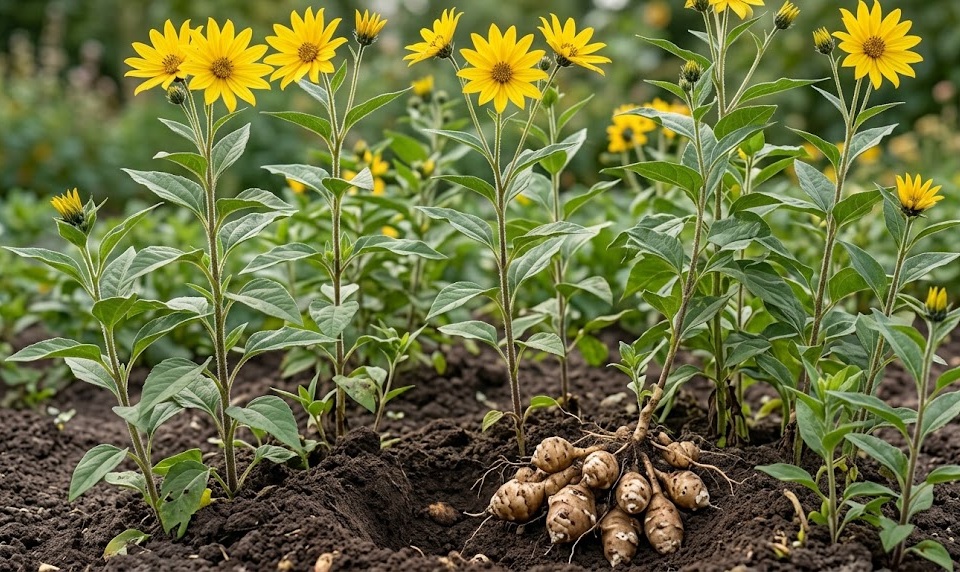

While the Jerusalem artichoke is one of the most resilient plants in the home garden, it is not entirely immune to the pressures of pests and diseases. Understanding the specific threats that can affect this crop is the first step in maintaining a healthy and productive agricultural environment. You should adopt a proactive management strategy that focuses on prevention and early detection to minimize the impact of any potential issues. By keeping your plants strong through proper care, you create a natural defense system that can withstand many of the most common challenges.
One of the most frequent fungal issues faced by growers is powdery mildew, which often appears as a white, flour-like dusting on the upper surfaces of the leaves. This condition typically develops in late summer when the air is humid and the nights begin to cool down significantly. While it rarely kills the plant, a severe infection can reduce the photosynthetic capacity of the leaves and lead to smaller tuber yields. Ensuring proper spacing between your plants is the most effective way to improve airflow and reduce the humidity levels that encourage fungal growth.
If you notice the mildew spreading rapidly, you can use a simple spray made from water and a small amount of horticultural oil or potassium bicarbonate. These organic treatments work by altering the pH of the leaf surface and creating an environment where the fungal spores cannot survive. It is important to apply these treatments in the early morning so that the foliage has time to dry before the sun becomes too intense. Consistent monitoring and quick action can keep powdery mildew from becoming a major problem in your garden bed.
Sclerotinia, or white mold, is another fungal disease that can be more serious, as it affects the stalks and can eventually lead to the rot of the tubers themselves. You will recognize this condition by the appearance of cottony white growth near the base of the stems, often followed by the development of small, dark resting bodies called sclerotia. Because this fungus can survive in the soil for many years, you must remove and destroy any infected plant material immediately to prevent its spread. Maintaining a clean garden and avoiding overhead watering can significantly reduce the risk of a white mold outbreak.
Managing common insect pests
Aphids are among the most common insect pests that you may encounter on the tender new growth of your Jerusalem artichokes in the spring. These small, soft-bodied insects congregate on the undersides of leaves and suck the sap from the plant, which can lead to distorted growth and a general lack of vigor. While a few aphids are usually not a cause for concern, a large infestation can attract other problems, such as ants or sooty mold. You can often manage small populations by simply blasting them off the plants with a strong stream of water from your garden hose.
More articles on this topic
For more persistent aphid problems, you might consider introducing natural predators such as ladybugs or lacewings into your garden ecosystem. These beneficial insects are highly effective at controlling aphid populations without the need for harsh chemical pesticides that can harm other wildlife. Providing a diverse range of flowering plants nearby will encourage these natural helpers to stay in your garden and provide ongoing protection for your crops. Professional pest management is about creating a balanced environment where natural checks and balances can thrive.
Slugs and snails can also pose a threat, particularly to the young shoots as they first emerge from the soil in the early spring. These nocturnal pests can quickly strip the leaves from a small plant, setting back its growth or even killing it before it has a chance to establish itself. You can protect your new shoots by using physical barriers such as copper tape or by creating a dry zone around the base of the plants using crushed eggshells or diatomaceous earth. Maintaining a tidy garden area free of damp debris will also reduce the hiding places available to these persistent garden visitors.
In some regions, the Jerusalem artichoke may also be targeted by specific beetle species that feed on the foliage throughout the summer months. While the plants can usually tolerate a fair amount of leaf damage, a heavy infestation can stress the plant and reduce its ability to store energy in the tubers. Hand-picking the beetles and dropping them into a bucket of soapy water is a simple and effective way to manage small numbers of these pests. Staying observant and acting early is the best way to prevent insect populations from reaching damaging levels in your agricultural plot.
Protecting tubers from soil-borne threats
The most significant threats to your harvest often come from below the surface, where various pests and pathogens can target the developing tubers. Root-knot nematodes are microscopic worms that can cause galls or swellings on the roots and tubers, leading to stunted growth and poor yields. While these pests are difficult to see with the naked eye, you can identify their presence by the general decline in the health and productivity of your plants. Rotating your crops and incorporating organic matter into the soil are the best long-term strategies for managing nematode populations in your garden.
Voles and other small burrowing rodents are perhaps the most frustrating pests for the Jerusalem artichoke grower, as they can consume large portions of your crop before you even realize they are there. These animals are particularly active in the late autumn and winter when other food sources become scarce and your tubers are at their most nutritious. You can deter these underground visitors by installing fine wire mesh around the base of your planting area or by using traps designed for small rodents. Protecting the subterranean portion of your crop is just as important as caring for the visible foliage.
Soil-borne bacteria can also lead to various types of tuber rot, especially if the ground remains excessively wet for long periods during the final stages of growth. You should ensure that your soil has excellent drainage and avoid overwatering as the harvest season approaches to minimize the risk of bacterial infection. If you find tubers that are soft, discolored, or have an unpleasant odor, they should be discarded immediately and not used for future propagation. Maintaining high standards of soil hygiene is a critical part of professional tuber production.
Regularly inspecting a few “test” tubers throughout the late summer can give you an early warning of any issues that may be developing beneath the surface. Use a small hand trowel to carefully uncover one or two tubers at the edge of the patch to check their condition and color. If you see signs of pest damage or rot, you can adjust your management practices or choose to harvest the affected area early to save as much of the crop as possible. This hands-on monitoring is a hallmark of an experienced and dedicated agricultural professional.
Environmental factors and physiological disorders
Not all problems in the garden are caused by living organisms, as environmental stress can also lead to various physiological disorders in your plants. Heat stress can cause the leaves to wilt and turn brown at the edges, even if there is plenty of moisture in the soil. During extreme heatwaves, the plant may temporarily shut down its growth processes to conserve energy and protect itself from damage. Providing temporary shade or a cooling mist can help your plants navigate these challenging periods and maintain their productivity.
Nutrient imbalances can also manifest as symptoms that look like diseases, such as yellowing between the leaf veins or distorted new growth. A deficiency in magnesium often causes the older leaves to turn yellow while the veins remain green, a condition known as interveinal chlorosis. You can easily correct these issues by applying a balanced organic fertilizer or a specific mineral supplement based on a soil test. Understanding the visual language of your plants allows you to address their needs with precision and avoid unnecessary chemical treatments.
Strong winds can cause physical damage to the tall stalks, creating wounds that provide an entry point for various pests and pathogens. If a stem becomes partially snapped or heavily bruised, it is best to remove it cleanly with a pair of sharp pruning shears to help the plant heal quickly. Supporting your tall plants with stakes or netting not only prevents breakage but also keeps the foliage off the ground where it is more susceptible to soil-borne issues. Managing the physical environment of your garden is a key component of a comprehensive health plan for your crops.
Frost damage can also occur if a sudden cold snap hits in the early spring after the shoots have already emerged from the warm earth. While the tubers themselves are frost-hardy, the tender green growth can be blackened and killed by sub-freezing temperatures. You can protect your young plants by covering them with a frost cloth or a layer of straw if a late frost is predicted in your area. Being prepared for the unpredictability of the weather is a vital skill for any professional gardener working with sensitive seasonal growth.
Integrated health management strategies
The most effective way to manage diseases and pests is to adopt an integrated approach that combines cultural, biological, and physical control methods. Start with high-quality, disease-free starting material and ensure that your planting site is well-suited to the needs of the Jerusalem artichoke. By providing the optimal conditions for growth, you allow the plants to develop their own natural resistance to many common garden challenges. A healthy plant is much better equipped to recover from a minor pest attack or a period of environmental stress.
Crop rotation is a powerful tool for breaking the life cycles of many soil-borne pests and diseases that might otherwise build up over time. If possible, avoid planting Jerusalem artichokes in the same spot for more than three or four years in a row. This practice not only keeps the soil healthy but also encourages a more diverse range of beneficial soil organisms to flourish in your garden. Strategic planning of your garden layout is a long-term investment in the health and productivity of all your agricultural projects.
Encouraging biodiversity in your garden is another essential strategy for maintaining a healthy balance between pests and their natural predators. Planting a variety of native flowers and shrubs nearby will attract beneficial insects, birds, and other wildlife that help keep pest populations in check. This natural approach reduces your reliance on external inputs and creates a more resilient and self-sustaining garden ecosystem. You are not just growing a single crop, but managing a complex web of biological interactions that support the life of your entire farm.
Finally, keep detailed records of any issues you encounter and the methods you used to address them throughout the growing season. This information is invaluable for predicting future problems and for refining your management techniques over time. Each season offers new lessons, and by staying curious and observant, you will become a more effective steward of your agricultural landscape. The health of your Jerusalem artichokes is a reflection of your commitment to professional excellence and sustainable garden practices.