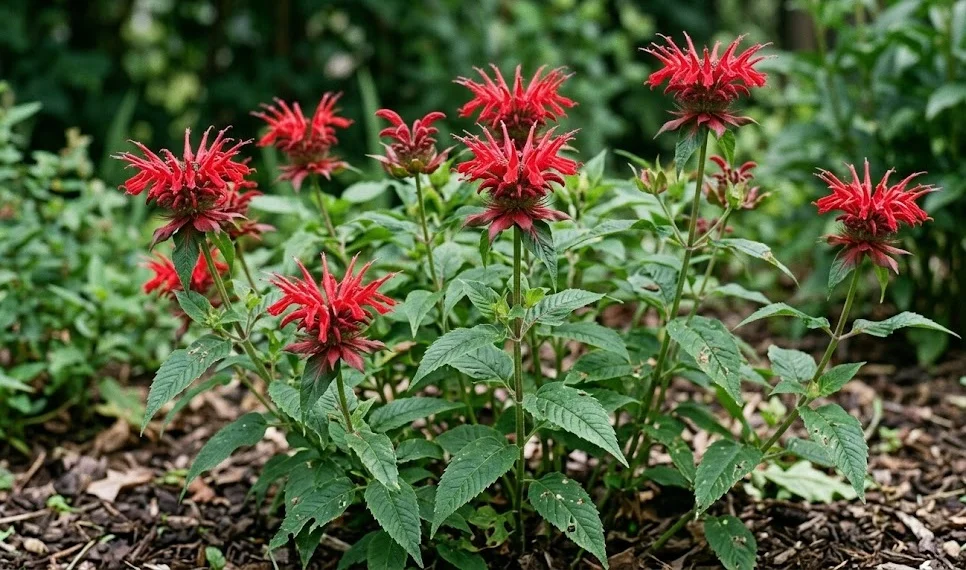

Managing the hydration and nutritional needs of your garden is a fundamental skill for any serious agriculturalist. These perennials have specific requirements that differ from many other common garden plants, especially during the peak of summer. Providing the right amount of water and the correct balance of nutrients can transform a struggling plant into a garden centerpiece. Professional care involves understanding the subtle signs the plant gives when its needs are not being met by the current routine.
Consistent moisture is the primary goal when developing a watering strategy for these aromatic flowers. They do not handle extreme drought well, and their leaves will quickly wilt and turn brown if the soil dries out completely. On the other hand, excessively wet soil can lead to root issues that are difficult to correct once they have started. Achieving the perfect balance requires a combination of observation and the right irrigation techniques for your specific soil type.
Fertilization should be handled with a gentle touch to avoid encouraging weak and leggy growth that attracts pests. While these plants appreciate a nutrient-rich environment, over-fertilizing can actually do more harm than good in the long run. Professional gardeners often rely on organic amendments that provide a slow and steady release of minerals throughout the growing season. This mimics the natural nutrient cycle and supports the overall health of the soil ecosystem.
The timing of these interventions is just as important as the materials being used in the garden. Watering early in the morning allows the foliage to dry before the sun gets too hot, which reduces the risk of fungal infections. Similarly, applying fertilizer at the right moment in the spring gives the plant a boost exactly when it is entering its most active growth phase. A well-timed care schedule is the secret to maintaining a vibrant and resilient perennial garden.
Mastering hydration and moisture management
Understanding how much water your plants need requires a look at the current weather conditions and the structure of your soil. During cool, rainy periods, you may not need to provide any supplemental irrigation at all to your garden beds. However, during a mid-summer heatwave, your plants might require a deep soaking several times a week to stay healthy. Always check the soil moisture by inserting a finger a few inches deep to see if the ground is truly dry.
More articles on this topic
Deep watering is much more effective than frequent shallow sprinkles that only wet the surface of the soil. By providing a large amount of water at once, you encourage the roots to grow deeper into the ground to find moisture. This makes the plant much more resilient to short periods of drought and helps it stay cool during the day. Aim to deliver the water directly to the base of the plant rather than spraying the leaves from above.
Using soaker hoses or drip irrigation systems is the professional way to manage moisture in a dense perennial border. These systems deliver water slowly and precisely where it is needed most without wasting a drop to evaporation. They also keep the foliage dry, which is the best way to prevent the spread of powdery mildew and other leaf diseases. If you must use a hand-held hose, take the time to water slowly and thoroughly around each individual clump.
The role of mulch in moisture management cannot be overstated for these moisture-loving perennial species. A three-inch layer of organic mulch like cedar chips or compost can reduce soil evaporation by up to seventy percent. This means you will spend less time watering and your plants will experience fewer stress cycles throughout the summer. Mulch also helps regulate soil temperature, keeping the roots cool even when the sun is beating down on the garden.
Nutrient requirements and soil amendments
These perennials are relatively heavy feeders compared to some other native species found in the garden landscape. They require a good supply of nitrogen for leaf development and phosphorus for the production of their complex flower heads. Potassium is also essential for overall plant health and the ability to withstand environmental stresses like cold or disease. A balanced approach ensures that all these needs are met without creating an imbalance in the soil chemistry.
More articles on this topic
Organic matter is the best source of long-term nutrition for your garden beds and should be added annually. Well-composted kitchen waste, leaf mold, or aged manure can significantly improve the nutrient profile of your soil. These materials also improve the soil’s ability to hold onto water, which provides a secondary benefit for your moisture-sensitive plants. Applying a layer of compost in the early spring is often all the fertilization these plants need for the entire year.
If you choose to use commercial fertilizers, look for a balanced formula such as a 10-10-10 or a slightly higher phosphorus version. Apply the granules according to the package directions and water the area thoroughly afterward to help wash the nutrients into the root zone. Avoid applying high-nitrogen fertilizers late in the season, as this can stimulate new growth that won’t have time to harden off. This late-season growth is very vulnerable to being killed by the first hard frost of the autumn.
Trace minerals such as iron and magnesium also play a vital role in the vibrant color of the foliage and flowers. If you notice yellowing between the veins of the leaves, it may be a sign that your soil is lacking these essential micro-nutrients. A foliar spray of seaweed extract can provide a quick boost, but long-term correction requires adjusting the soil pH or adding mineral amendments. Testing your soil every few years is the only way to know exactly what is happening beneath the surface.
Seasonal adjustments to watering routines
The water needs of your garden will shift significantly as the plants move through their different life stages during the year. In the early spring, the cool weather and frequent rains usually provide enough moisture for the new shoots to emerge. You should only water during this time if there is an unusual dry spell that lasts more than a week. Overwatering in the spring can lead to rot in the dormant crown before the plant has a chance to start growing.
As the plants enter their rapid growth phase in late spring and early summer, their demand for water increases. They are building a lot of biomass in a short period and need a steady supply of hydration to support those new tissues. This is the time to start your regular irrigation schedule to ensure there are no interruptions in the development of the stems. Watch for the first signs of wilting in the afternoon as a signal that the plants need more consistent moisture.
During the peak blooming period in mid-summer, the plants are at their most demanding in terms of water and nutrients. The large flower heads and high temperatures cause a lot of moisture to be lost through transpiration from the leaves. You may need to supplement the natural rainfall with deep soakings to keep the flowers looking fresh and vibrant. If the plants are allowed to dry out now, the blooming period will be cut short and the foliage will begin to decline.
In the late summer and early fall, you can begin to slowly reduce the amount of water you provide as the plant prepares for dormancy. The goal is to keep the roots alive without encouraging a lot of soft new growth that will be damaged by frost. If the autumn is particularly dry, a few deep waterings will help the plant store enough energy in its roots for the winter. This gradual transition helps the plant naturally shut down and prepare for the cold months ahead.
Identifying and correcting nutritional deficiencies
A professional gardener learns to read the leaves of their plants like a map to understand what might be missing from the soil. Yellowing leaves can indicate a variety of issues, ranging from a simple lack of nitrogen to more complex problems with soil pH. If the yellowing starts at the bottom of the plant, it is often a sign that the plant is moving nitrogen to the new growth. Adding a balanced organic fertilizer can usually correct this issue within a few weeks of application.
If the leaves appear stunted or have a purplish tint, it may indicate a phosphorus deficiency, which is common in cold or overly wet soils. This can be problematic because phosphorus is essential for the development of strong roots and vibrant flowers. Adding bone meal or a high-phosphorus liquid fertilizer can help boost the levels of this mineral in the immediate area. Ensure that the soil is warm enough for the roots to actually take up the nutrients you are providing.
Iron chlorosis is another common issue where the leaves turn yellow while the veins remain a dark, healthy green. This is often not caused by a lack of iron in the soil but rather by a high pH that makes the iron unavailable to the plant. You can temporarily fix this with a chelated iron spray, but the long-term solution involves adding sulfur to lower the soil pH. Knowing the difference between these symptoms is key to making the right correction in your garden.
Consistent observation and record-keeping will help you identify patterns in your garden’s nutritional health over time. You may find that certain areas of your yard always seem to need more attention than others. This could be due to differences in soil composition or the way water moves through your landscape. By addressing these localized issues, you can create a more uniform and healthy display throughout your entire perennial border.
Best practices for sustainable nutrient management
Focusing on the health of the soil rather than just feeding the plant is the most sustainable way to manage a garden. By fostering a diverse community of soil microbes and fungi, you create a system that naturally recycles nutrients for your plants. This reduces the need for external inputs and creates a more resilient garden that can better handle environmental stress. Use organic mulches and avoid harsh chemical treatments that can disrupt this delicate underground balance.
Cover cropping in the surrounding areas or during the off-season can also help build soil health and add organic matter. While this is more common in vegetable gardens, the principles can be applied to large perennial borders during renovation projects. Legumes can fix nitrogen in the soil, providing a natural boost for the next generation of flowers you choose to plant. This holistic approach to land management is a hallmark of professional agricultural practices.
Water conservation should also be a priority when designing your irrigation and fertilization schedules for the garden. By using mulch and efficient delivery systems, you can significantly reduce the amount of water needed to maintain a beautiful landscape. This is not only better for the environment but also saves you time and money on your utility bills. Sustainable gardening is about finding ways to work with nature rather than trying to control every aspect of the environment.
Finally, remember that gardening is a continuous process of learning and adaptation based on the results you see each year. What works in one garden may not be the best solution for another due to variations in microclimates and soil types. Stay curious and be willing to try new organic methods to see how your plants respond to different care routines. Your dedication to understanding the needs of your garden will be rewarded with a spectacular and healthy display every year.