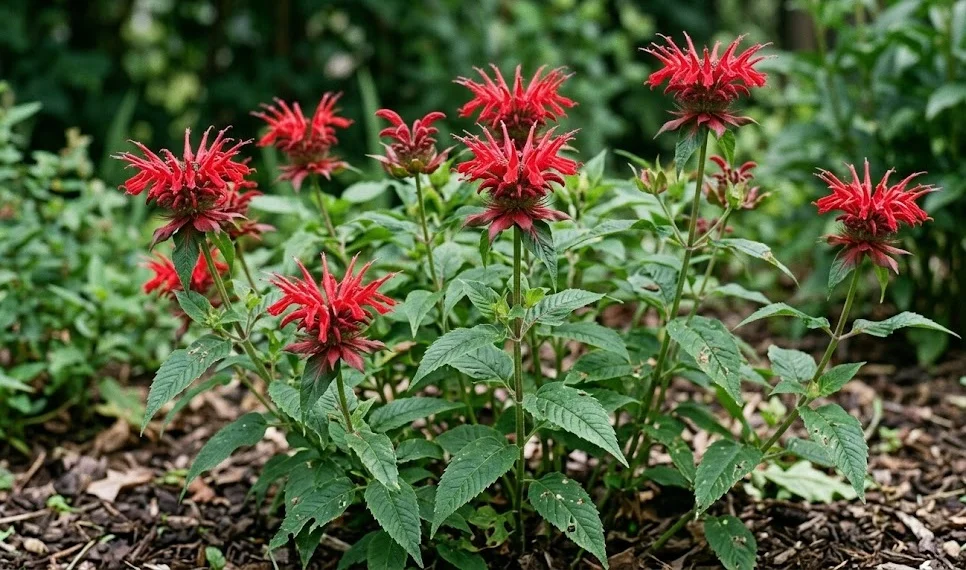

Mastering the art of pruning is an essential skill for any gardener who wants to maintain a tidy and healthy perennial border. These plants are vigorous growers that can quickly become unruly if they are not managed with regular maintenance throughout the year. Pruning is not just about aesthetics; it is a vital tool for improving air circulation, encouraging more flowers, and managing the spread of the plant. A professional approach to cutting back ensures that the plants stay within their intended boundaries and remain productive for many seasons.
There are several different types of pruning that can be applied to these aromatic flowers depending on the time of year and the desired outcome. In the late spring, a light pinching or thinning can result in a more compact and bushier plant that is less likely to flop over. During the summer, the focus shifts to removing spent blooms to encourage a second flush of flowers and keep the garden looking fresh. Finally, the autumn cutback prepares the plant for its winter dormancy and helps to prevent the spread of disease.
Understanding the biology of how these plants grow is the key to knowing exactly where and when to make your cuts. They grow from a central crown and spread via underground runners, producing new stems from both locations throughout the spring. By selectively removing some of these stems, you can control the density of the clump and ensure that each part of the plant gets enough light and air. Professional agriculturalists use these techniques to create the healthiest and most visually appealing displays possible.
Proper tools are also a critical part of the pruning process to ensure that you make clean cuts that heal quickly. A sharp pair of bypass pruners is the best choice for most tasks, as they cut with a scissor-like action that doesn’t crush the stems. Always make sure your tools are clean and disinfected before you start to avoid spreading any pathogens from one plant to another. Taking the time to do the job correctly will reward you with a more resilient and beautiful garden in the long run.
Strategic deadheading and summer maintenance
Deadheading is the process of removing the flower heads once they have finished blooming and started to fade. This prevents the plant from putting its energy into seed production, which can often trigger a second round of flowering in many varieties. To deadhead correctly, follow the stem down from the spent flower to just above the next set of leaves or buds. Making the cut here encourages the plant to produce new branches from those nodes, resulting in a more floriferous display.
More articles on this topic
Regular deadheading also keeps the garden looking neat and prevents the dried flower heads from becoming a distraction in a colorful border. While some people like the look of the seed heads, most professional designs benefit from the continuous fresh look that comes with regular maintenance. It is a relaxing task that can be done once or twice a week during the peak of the summer season. Your plants will respond to this attention by looking their best for a much longer period of time.
If your plants have become too tall and are starting to lean or fall over, you can also do some light structural pruning in mid-summer. Cutting back some of the outer stems by about a third of their height can help to stabilize the clump and make it more manageable. This also opens up the center of the plant to more light and air, which is the best way to prevent the lower leaves from yellowing and dropping off. Managing the height of your plants is part of the ongoing task of garden design and maintenance.
During the height of summer, you should also be on the lookout for any stems that are showing signs of disease or pest damage. Removing these stems immediately is a form of “sanitary pruning” that can prevent a small problem from becoming a major outbreak. Always cut these stems off at the base and dispose of them in the trash to remove the source of infection from your garden. This proactive approach is a hallmark of an expert gardener who values the health of their entire landscape.
Early season thinning and rejuvenation
In the late spring, when the new stems are about twelve to eighteen inches tall, you can perform a technique known as thinning. This involves removing about one-third of the total number of stems, focusing on the ones in the center of the clump or any that look particularly weak. By reducing the density of the foliage, you significantly improve the air circulation within the plant, which is the best defense against powdery mildew. It also allows the remaining stems to grow stronger and produce larger flower heads.
More articles on this topic
Thinning also helps to manage the spread of the plant if it is starting to encroach on its neighbors in a mixed perennial bed. You can use a sharp spade to cut out some of the runners that are moving away from the main crown of the plant. This keeps the garden looking organized and ensures that every species has the space it needs to thrive. It is much easier to manage the size of the plant in the spring than it is to try to correct an overgrown mess later in the summer.
Rejuvenation pruning is a more aggressive technique that can be used every few years to refresh an old or woody clump. If a plant has become less productive and the center of the clump has died out, you can cut the entire thing back to the ground in the early spring. This stimulates the dormant buds in the crown and encourages a flush of vigorous new growth that will be much more healthy and attractive. It is like giving your plant a fresh start and can extend its productive life in your garden for many more years.
Always remember to provide a little extra water and fertilizer after any major pruning session to help the plant recover from the stress. The new growth will need plenty of nutrients and moisture to support its rapid development in the weeks following the cutback. By combining your pruning with other good care practices, you ensure that your plants remain a vibrant and resilient part of your landscape. A professional gardener knows that a little bit of work in the spring pays off with a spectacular show in the summer.
Final autumn cutbacks and sanitation
As the growing season comes to an end and the first hard frosts of autumn arrive, it is time for the final pruning of the year. Once the foliage has completely died back and turned brown, the stems can be cut down to just a few inches above the soil surface. This cleanup is essential for removing any diseased material and reducing the amount of overwintering habitat for pests. It also makes the garden bed much easier to mulch and prepare for the winter months.
Using a pair of sharp garden shears can make this task go much faster, especially if you have a large number of plants to manage. Work your way through the bed, cutting the stems into manageable pieces that are easy to remove and dispose of properly. Be careful not to pull on the stems, as this could damage the crown of the plant or loosen its grip on the soil. A clean cut is always better for the health of the plant and the look of the garden.
If your plants were particularly healthy and free of disease during the summer, you might consider leaving some of the stems standing until late winter. This can provide some structural interest in a snowy landscape and offer a place for beneficial insects to overwinter in the hollow stems. However, in most garden situations, a thorough fall cleanup is the safer choice for preventing future problems. It is a decision that should be based on your local conditions and the specific health history of your plants.
Finally, take this opportunity to document the performance of your plants and the effectiveness of your pruning routines in your garden journal. Note which varieties responded best to thinning or deadheading and which ones might need a different approach next year. This professional level of observation and recording is what allows you to continuously improve your skills as a gardener. Every season is a learning experience that helps you become a better steward of your own unique piece of the earth.