
Protecting the health of your perennials requires a vigilant eye and an understanding of the common threats that can impact their vitality. These aromatic plants are generally hardy, but they are notorious for their susceptibility to certain fungal issues and specific insect pests. Identifying these problems in their early stages is the most effective way to prevent widespread damage to your garden. A professional approach to pest management focuses on prevention and minimal intervention to maintain a healthy ecosystem.
Fungal diseases are the most frequent challenge faced by gardeners growing these specific flowers, particularly in humid climates. The most common offender is easily recognized by the white, dusty coating it leaves on the leaves and stems of the plant. If left untreated, these infections can significantly weaken the plant and cause the foliage to drop prematurely. Managing the environment to reduce moisture levels is the first line of defense against these airborne pathogens.
Insect pests also find these plants attractive, although the aromatic oils in the leaves provide some level of natural protection. You may encounter small sap-sucking insects that can cause the leaves to curl or become distorted if their populations grow too large. Professional agriculturalists often use integrated pest management strategies that encourage natural predators to keep these populations in check. This balanced approach reduces the need for chemical sprays that could harm beneficial pollinators visiting the flowers.
General garden hygiene is a critical component of any successful disease prevention program for your perennial beds. Removing fallen debris and cutting back infected stems helps to reduce the amount of overwintering spores and eggs in the soil. By keeping the area clean, you make it much harder for pests and diseases to establish themselves in the following spring. A little effort in the fall can save a lot of work and heartache during the peak of the growing season.
Managing powdery mildew and leaf spots
Powdery mildew is almost synonymous with certain varieties of these perennials, making it a primary concern for most gardeners. It typically appears in the mid to late summer when the weather is warm and the humidity levels are high. The fungus feeds on the surface of the leaves, blocking sunlight and reducing the plant’s ability to photosynthesize efficiently. While it rarely kills the plant, it can make the foliage look very unattractive and reduce the overall vigor.
More articles on this topic
The best way to manage this disease is to start with resistant cultivars that have been specifically bred to withstand the fungus. Many modern varieties offer excellent resistance while still providing the beautiful flowers and scent of the original species. If you already have susceptible plants, focus on improving air circulation by spacing them correctly and thinning out the stems. Ensuring the plants have enough water at their roots can also help them stay healthy enough to resist the infection.
Leaf spot diseases are another fungal issue that can cause small dark spots to appear on the lower leaves of the plant. These spots can eventually merge and cause the entire leaf to turn yellow and fall off, starting from the ground up. This is often caused by water splashing from the soil onto the foliage during rain or irrigation. Mulching the base of the plant can create a barrier that prevents these spores from reaching the leaves during a storm.
If you choose to use treatments, organic options like neem oil or potassium bicarbonate sprays can be very effective if applied early. These treatments work by creating an environment on the leaf surface that is hostile to the growth of fungal spores. It is important to apply these products thoroughly to both the tops and bottoms of the leaves for the best results. Consistency is key, as most organic treatments need to be reapplied after heavy rain or new growth appears.
Combating fungal rust and root rot
Rust is another fungal disease that occasionally affects these plants, appearing as small orange or brown pustules on the undersides of the leaves. It spreads rapidly through wind and water, especially in damp conditions where the foliage remains wet for long periods. Infected leaves will eventually turn yellow and die, which can lead to a significant decline in the plant’s health. Professional growers recommend removing any infected leaves immediately to slow the spread of the spores.
More articles on this topic
To prevent rust, avoid overhead watering and try to keep the foliage as dry as possible throughout the day. If the disease becomes a persistent problem in your garden, you may need to relocate the plants to a site with better sun and wind exposure. Some specialized organic fungicides can help manage rust, but they are most effective when used as a preventative measure. Keeping the soil healthy and well-drained will also help the plant’s natural immune system fight off these types of infections.
Root rot can occur if the plants are grown in soil that stays saturated for long periods, especially during the dormant season. The roots need oxygen to survive, and excess water literally drowns the root system and allows opportunistic fungi to take over. You will notice the plant wilting even when the soil is wet, as the damaged roots can no longer transport water to the stems. Improving the drainage of the site is the only long-term solution for preventing this fatal condition.
If you suspect root rot, you may need to dig up the plant and inspect the roots for signs of decay or mushiness. Healthy roots should be firm and light in color, while rotted roots will be dark, soft, and often have a foul smell. If enough of the root system is still healthy, you can trim away the rotted parts and replant in a better-draining location. However, in many cases, it is better to discard the infected plant and start fresh with a new one in a more suitable spot.
Identifying and controlling common garden pests
Aphids are small, soft-bodied insects that often cluster on the new growth and the undersides of the leaves. They feed by sucking the sap out of the plant, which can lead to stunted growth and sticky residue known as honeydew. This residue can then attract ants or lead to the growth of black sooty mold on the surface of the foliage. A strong blast of water from a garden hose is often enough to dislodge these pests and keep their numbers manageable.
Spider mites are another common pest, particularly during hot and dry weather when the plants are already under stress. These tiny arachnids are difficult to see with the naked eye, but their presence is marked by fine webbing and stippling on the leaves. The leaves may eventually take on a bronzed or bleached appearance before falling off the plant entirely. Keeping the plants well-watered and increasing the humidity around the foliage can help discourage these pests from colonizing.
Stalk borers are a more serious but less common threat that can cause individual stems to suddenly wilt and die. The larvae of these insects tunnel into the center of the stem, cutting off the flow of water and nutrients to the upper parts of the plant. If you see a hole in the stem with sawdust-like material around it, you likely have a borer issue. The best course of action is to cut the affected stem off at the base and destroy it to prevent the larvae from reaching maturity.
Japanese beetles can also be a significant nuisance in some regions, skeletonizing the leaves and damaging the beautiful flowers. These metallic green beetles are strong fliers and can quickly move from one part of the garden to another. Hand-picking the beetles and dropping them into a bucket of soapy water is a simple and effective way to manage small infestations. Avoid using beetle traps, as these often attract more beetles to your garden than they actually catch.
Sustainable and organic pest control methods
Using natural predators to manage pest populations is the foundation of a sustainable and professional garden. Ladybugs, lacewings, and hoverflies are all voracious eaters of aphids and other small sap-sucking insects. You can encourage these beneficial insects to stay in your garden by planting a variety of flowers that provide them with pollen and nectar. Avoid using broad-spectrum insecticides that would kill these helpful allies along with the pests you are trying to control.
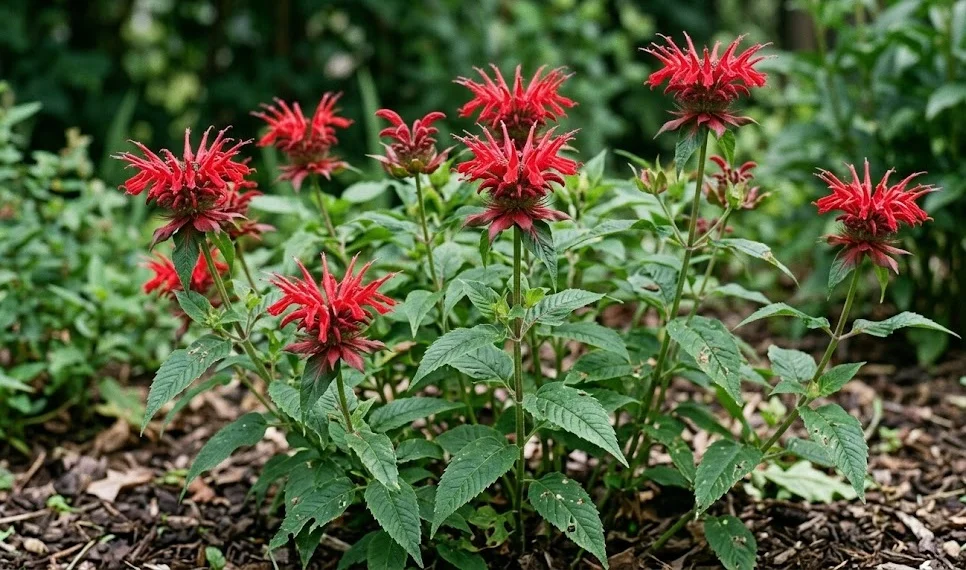
Companion planting is another organic strategy that can help reduce the incidence of pests and diseases in your garden beds. Some plants release chemicals into the soil or air that can deter certain insects or inhibit the growth of fungal pathogens. Mixing your bee balm with other aromatic herbs or strong-smelling flowers can create a more complex environment that is harder for pests to navigate. This diversity also makes the garden more beautiful and interesting for you as the gardener.
Neem oil is a versatile organic tool that acts as both a pesticide and a fungicide for many common garden issues. It works by disrupting the life cycle of insects and preventing fungal spores from germinating on the leaf surface. Because it is derived from a natural source, it is much safer for the environment and for the person applying it to the plants. Always follow the instructions on the label and apply it during the cooler parts of the day to avoid leaf scorch.
Maintaining the overall health of your plants is ultimately the best defense against any pest or disease. A strong, well-fed, and properly watered plant has a much better chance of surviving an infestation than one that is already struggling. Focus your efforts on building great soil and providing the right environmental conditions for your specific species. When the plants are thriving, they can often handle a small amount of pest pressure without any significant long-term damage.
Preventative hygiene and garden maintenance
Cleaning up your garden beds in the fall is one of the most important things you can do to prevent future problems. Many pests and diseases overwinter in the fallen leaves and dead stems of the plants they infected during the summer. By removing this debris and disposing of it away from your compost pile, you significantly reduce the local population of pathogens. This simple task sets the stage for a much healthier start when the new growth emerges in the spring.
Regularly disinfecting your garden tools is another professional habit that prevents the accidental spread of diseases from one plant to another. Fungal spores and bacteria can easily hitch a ride on your pruners or spade as you move through the garden. Wiping your tools with a solution of alcohol or a mild bleach mixture between tasks is a small investment of time that pays off in plant health. This is especially important when you are dealing with known infections like rust or mildew.
Monitor your garden closely and act quickly as soon as you see something that doesn’t look right. It is much easier to manage a single infected stem or a small colony of aphids than it is to deal with a garden-wide outbreak. Developing a routine of walking through your garden every morning allows you to catch these issues before they become a major problem. Your attention to detail is the most valuable tool you have for maintaining a beautiful and healthy perennial border.
Finally, don’t be afraid to remove a plant that is constantly struggling or acting as a source of infection for the rest of your garden. Sometimes a particular variety is simply not suited to your local microclimate or soil conditions. Replacing a high-maintenance or diseased plant with a more resistant variety will make your gardening experience much more enjoyable. A professional gardener knows when it is time to move on and try something new for the benefit of the entire landscape.