
Understanding the light needs of your plants is one of the most critical factors in creating a successful and vibrant garden display. These aromatic perennials are known for their love of bright, sunny spots that allow them to produce their characteristic explosion of colorful flowers. However, their relationship with the sun is more nuanced than it might first appear, especially in different geographical regions. Professional gardeners carefully analyze the light patterns in their landscape to find the perfect home for each variety.
The amount of sunlight a plant receives directly influences its growth habit, the strength of its stems, and the quality of its blooms. In general, these species perform best when they have access to at least six to eight hours of direct sunlight every day. This high level of light provides the energy needed for the plant to build its tall stems and support the production of large, nectar-rich flowers. Without enough light, the plants often become weak and lose their ability to stand upright without assistance.
While they are sunlight enthusiasts, the intensity of that light can sometimes be a challenge during the hottest part of the summer. In southern regions with very high temperatures, some afternoon shade can actually be beneficial for the health of the foliage. This break from the intense heat helps to reduce moisture loss and prevents the leaves from becoming scorched or brittle. Finding the right balance between enough light for flowering and enough shade for cooling is a key skill for any successful grower.
The direction of the light and how it changes throughout the seasons also plays a significant role in the plant’s development. A spot that is sunny in the early spring might become shaded by a neighboring tree as the canopy fills in during the summer. Professional landscape planning involves anticipating these changes and ensuring that the plants will have what they need all year long. Observing your garden at different times of the day will help you make informed decisions about placement and design.
Maximizing full sun exposure and energy
To get the most spectacular floral display, you should aim to place your plants in a location that receives full morning sun. The morning light is intense enough to fuel growth but occurs when temperatures are still relatively cool, reducing environmental stress. This early dose of energy helps to dry the dew off the leaves, which is a natural way to prevent many common fungal diseases. A site with an eastern or southern exposure is often the gold standard for these sun-loving perennials.
More articles on this topic
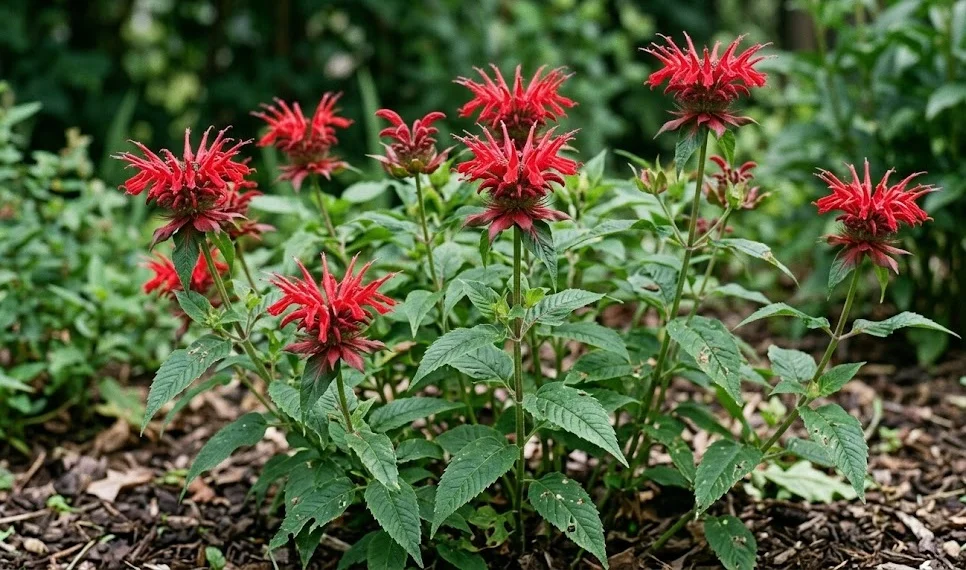
Plants grown in full sun typically develop a more compact and sturdy growth habit compared to those in more shaded areas. The stems are thicker and better able to support the weight of the large flower heads that appear in mid-summer. You will also notice that the color of the flowers is much more intense and vibrant when they are produced under high light conditions. If your plants are looking pale or “washed out,” it might be a sign that they are not getting enough direct sunlight.
The photosynthesis process is the engine that drives everything from root development to the production of the aromatic oils in the leaves. In full sun, this process is working at its peak efficiency, allowing the plant to store more energy for the following season. This results in a plant that is not only more beautiful but also more resilient to pests and environmental challenges. Maximizing light exposure is the easiest way to ensure the long-term health and vitality of your garden beds.
If you are gardening in a northern climate with shorter growing seasons and less intense sun, full light is even more critical. In these areas, every hour of sunlight counts toward helping the plant reach maturity before the first frost of the fall. You might even consider using light-colored mulches or reflective surfaces to bounce more light back onto the plants in very cool regions. Tailoring your approach to your local light conditions is a professional technique that yields the best results.
Adapting to partial shade and low light
While full sun is the ideal, many varieties are surprisingly adaptable to partial shade conditions if other needs are met. Partial shade usually means that the plant receives about four to six hours of direct sun, often in the morning or late afternoon. In this environment, the plants may grow a bit taller and more “leggy” as they stretch toward the light sources. You might need to provide more staking or support for plants grown in these less-than-ideal conditions.
More articles on this topic
In very hot climates, a bit of light shade during the middle of the day can be a lifesaver for moisture-loving perennials. It helps to keep the soil temperature lower and reduces the rate of transpiration from the leaves, which prevents wilting. This is often the best way to keep the foliage looking fresh and green throughout the entire summer season. If you notice your plants consistently wilting in the full sun despite having enough water, they might appreciate a move to a slightly more shaded spot.
Flowering may be somewhat reduced in partial shade, with fewer blooms and a slightly shorter flowering period than those in full sun. However, the flowers that do appear are often just as beautiful and will still attract plenty of pollinators to your garden. Some gardeners prefer the softer look of plants grown in dappled light, where the colors appear more delicate. It is a matter of personal preference and understanding the trade-offs that come with different light levels.
Total shade is generally not recommended for these species, as it often leads to poor health and a complete lack of flowers. In deep shade, the plants are much more susceptible to powdery mildew because the foliage stays wet longer and the air circulation is usually lower. If your garden is very shaded, you might be better off choosing a different species that is specifically adapted to those conditions. A professional gardener knows when to work with the site they have rather than fighting against its natural limitations.
The impact of light on flowering and nectar
The timing of the blooms is directly tied to the amount and quality of light the plant receives throughout the spring. Sunlight triggers the internal hormonal changes that tell the plant it is time to shift from leaf production to flower production. A sunny spring will often result in earlier blooms, while a cloudy and cool season might delay the start of the flowering period. Understanding these natural rhythms helps you anticipate when your garden will be at its peak for visitors and pollinators.
Nectar production is also influenced by light levels, as the plant needs a significant amount of energy to create this sweet reward for bees and butterflies. Flowers grown in bright light are often more attractive to pollinators because they offer a higher concentration of sugar and more abundant nectar. This is one of the reasons why you will see so much more activity in sunny garden beds compared to those in the shade. Providing plenty of light is the best way to support your local pollinator population.
The intensity of the fragrance released by the foliage and flowers is another factor that is linked to sun exposure. The aromatic oils that give the plant its characteristic scent are produced more heavily in the presence of strong light. Walking through a sun-drenched garden of these perennials is a sensory experience that is much less intense in a shaded area. If you love the spicy, citrusy scent of these plants, make sure they have a prime spot in the sun.
Finally, the quality of the light as the season progresses can affect how the plant prepares for its eventual dormancy. The decreasing day length in the late summer is a signal to the plant to start moving its resources down into the roots. Even if the temperatures are still warm, the change in light patterns is the primary driver of these seasonal transitions. By respecting these light-driven cycles, you can help your plants stay healthy and productive for many years to come.