
Establishing a successful garden often begins with the strategic planting and propagation of robust perennial species. These plants are known for their ability to spread and colonize an area, making them an excellent choice for filling large spaces. Understanding the correct timing and methods for putting these flowers in the ground is the first step toward a lush landscape. Professional techniques ensure that the root systems establish quickly and the plants reach their full potential within the first season.
The ideal time for planting is typically in the early spring as soon as the soil can be worked. This allows the plant to settle into its new home before the intense heat of the summer arrives. Alternatively, fall planting can be successful if done early enough for roots to grow before the ground freezes. Regardless of the season, avoiding extreme weather conditions during the transition will yield the best survival rates.
Before you begin the physical act of planting, it is crucial to prepare the site to meet the plant’s specific needs. Clear the area of any perennial weeds that might compete for nutrients and moisture during the establishment phase. Turning over the soil and incorporating organic matter will create the loose, fertile environment that these roots crave. A well-prepared site acts as a launchpad for the vigorous growth that characterizes this species.
When you are ready to place the plants in the ground, ensure that you dig a hole that is twice as wide as the root ball. This encourages the roots to spread outward into the surrounding soil rather than circling the planting hole. Position the plant so that the top of the root ball is level with the surrounding soil surface. Firm the soil gently around the base to remove any large air pockets that could dry out the roots.
Strategic site selection and preparation
Choosing the right location in your garden is the most important decision you will make for your new plants. These perennials thrive in spots that receive full sun for at least six to eight hours every day. While they can tolerate some light afternoon shade, too much shade often leads to leggy growth and increased disease risk. Professional landscape designers often look for south-facing slopes or open areas with good light penetration.
More articles on this topic
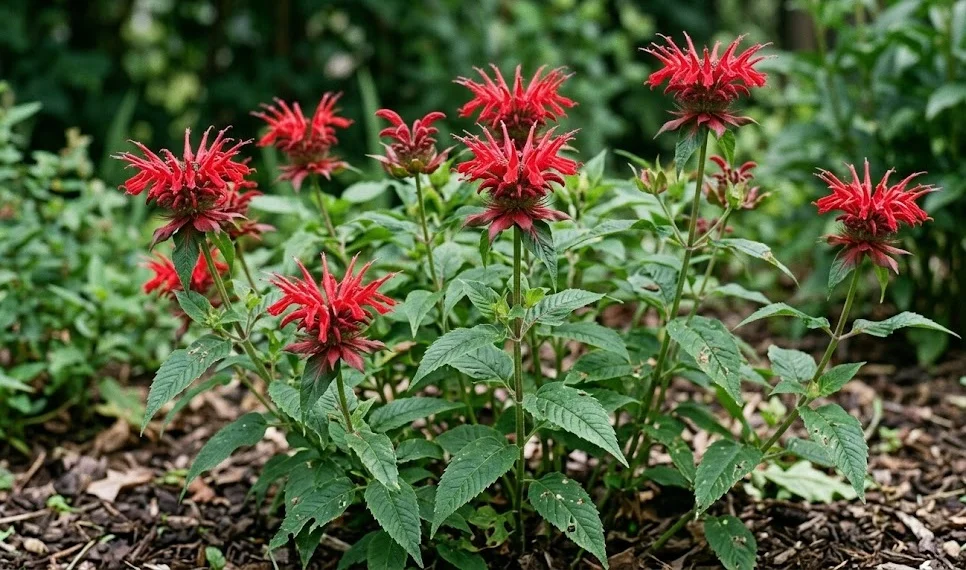
Soil quality is the next major consideration when preparing your site for these aromatic flowers. They prefer a soil that is rich in organic matter and capable of retaining moisture without becoming soggy. If your soil is heavy clay, you may need to amend it with compost or grit to improve the drainage. Sandy soils, on the other hand, benefit from the addition of peat or well-rotted manure to help hold onto water.
Proper spacing is a vital part of the site preparation process to ensure long-term health and vigor. Because these plants spread via underground rhizomes, they can quickly fill up the available space in a garden bed. Allow for eighteen to twenty-four inches between each plant to provide enough room for growth and air circulation. This initial investment in space will pay off by reducing the need for frequent thinning in the future.
Once the site is chosen and the soil is prepared, it is helpful to add a baseline layer of organic fertilizer. This provides the young plants with the immediate nutrients they need to recover from the stress of being moved. Avoid high-nitrogen fertilizers that might encourage excessive leaf growth at the expense of the root system. A balanced, slow-release formula is usually the best choice for new installations in the spring or fall.
Techniques for successful root division
Division is the most common and effective way to propagate established clumps of these vigorous perennials. Professionals recommend dividing the plants every three to four years to maintain their health and prevent overcrowding. The best time for this process is in the early spring when the new shoots are just beginning to emerge. This gives the new divisions a full growing season to establish themselves before the winter dormancy.
More articles on this topic
To start the division process, use a sharp spade or garden fork to lift the entire clump out of the ground. Be careful to dig far enough around the base to avoid damaging the main mass of the root system. Once the plant is out of the soil, you can usually see the individual sections that are ready to be separated. Healthy divisions should have a good amount of roots and several strong growing points or shoots.
You can separate the clump into smaller sections using your hands or a sharp garden knife for more stubborn roots. Each new piece should be about the size of a fist to ensure it has enough energy to grow independently. Discard the older, woody center of the original plant, as it is often less productive and more prone to disease. Replant the vigorous outer sections as soon as possible to prevent the delicate roots from drying out in the sun.
After replanting your new divisions, it is essential to water them thoroughly to settle the soil around the roots. They may appear slightly wilted for a few days as they recover from the physical shock of the division. Keep the soil consistently moist until you see new growth, which indicates that the roots have successfully taken hold. Division is a cost-effective way to expand your garden while keeping your existing plants in peak condition.
Growing from seeds and soft cuttings
Starting these plants from seed is a rewarding project for gardeners who enjoy watching the entire life cycle of a species. Seeds can be sown directly into the garden in the late fall or started indoors several weeks before the last frost. If starting indoors, use a high-quality seed starting mix and provide plenty of light to prevent the seedlings from becoming spindly. Germination usually occurs within two weeks if the temperatures are kept around seventy degrees Fahrenheit.
Once the seedlings have developed their second set of true leaves, they can be transplanted into larger individual pots. This allows them to develop a stronger root system before being moved into the permanent outdoor garden. Harden off the young plants gradually by exposing them to outdoor conditions for a few hours each day. This process prevents transplant shock and ensures that the plants are ready for the variable weather of the garden.
Softwood cuttings are another propagation method that can be used during the late spring or early summer. Take a four-inch cutting from a healthy, non-flowering stem and remove the lower leaves to expose the nodes. Dipping the end in a rooting hormone can increase the success rate, although it is not always strictly necessary for this species. Place the cuttings in a moist, sandy potting mix and keep them in a humid environment until roots develop.
Cuttings usually take about three to four weeks to form a sufficient root system for transplanting. This method is particularly useful if you want to create exact clones of a specific variety that you already have in your garden. It is a faster alternative to growing from seed and allows you to increase your stock without waiting for plants to mature. Both seeds and cuttings offer unique ways to share your favorite plants with friends and neighbors.
Managing the expansion and establishment phase
The first few months after planting are the most critical for the long-term success of your new perennial beds. Focus on providing consistent moisture to help the roots navigate their new environment and find deep water sources. If the weather is particularly hot or dry, you may need to water every other day to prevent the young foliage from scorching. A layer of mulch can be extremely helpful during this phase to protect the vulnerable root zone.
Monitor the area for any competing weeds that might try to take advantage of the newly disturbed and fertilized soil. Hand-pulling weeds while they are small is much easier than trying to remove established perennials later in the season. Keeping the area clean allows the young plants to focus all of their energy on growth and development. A tidy garden bed also reduces the places where pests can hide and multiply during the summer.
As the plants begin to establish themselves, you may notice that they start to spread through underground runners. This is a natural behavior and a sign of a healthy and happy plant in the right environment. If they start to move into areas where they are not wanted, you can easily remove the new shoots with a sharp spade. Managing the spread early will save you a lot of work in the future as the garden matures.
In the second or third year, the plants will reach their full height and produce a spectacular display of flowers. This is the reward for all the careful planning and hard work you put into the planting and propagation phases. You can then begin the cycle again by taking cuttings or dividing the clumps to further enhance your landscape. Understanding these processes allows you to become a true steward of your garden’s growth and beauty.