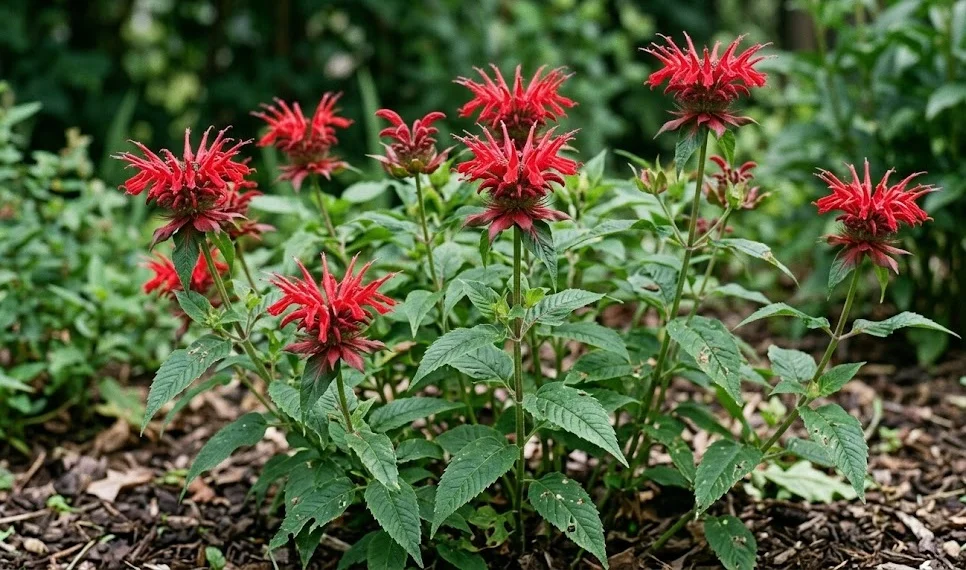

The beautiful and vibrant bee balm is a staple in many perennial gardens because of its striking flowers and aromatic foliage. Maintaining this plant requires a deep understanding of its specific ecological needs and growth habits throughout the year. Gardeners must focus on creating an environment that balances moisture levels with adequate air circulation to prevent common issues. By following professional guidelines, anyone can ensure their plants thrive and produce a spectacular display for seasons to come.
Successful maintenance begins with understanding the native habitat of these plants to replicate those conditions in the landscape. These perennials prefer soil that remains consistently moist but does not become waterlogged or stagnant. Professional gardeners often recommend testing the soil quality before the growing season begins to ensure proper drainage is possible. Providing a balanced environment will significantly reduce the stress on the plant during the heat of the summer months.
Airflow is perhaps the most critical factor when caring for these specific flowers in a crowded garden bed. Because they are susceptible to fungal issues, spacing them correctly allows wind to dry the leaves after rain or dew. It is advisable to monitor the density of the foliage as the plant matures through the spring. If the center of the clump becomes too thick, selective thinning can help maintain a healthy internal environment for the stems.
Visual inspections should be conducted weekly to identify any early signs of stress or nutritional deficiencies. Early intervention is often the key to saving a plant from a major infestation or a spread of disease. Look for changes in leaf color or unusual spots that might indicate the presence of pathogens. Consistent observation allows you to adjust your care routine based on the immediate needs of the garden.
Foundations of maintenance and soil health
Healthy soil serves as the bedrock for any thriving garden, especially when dealing with vigorous perennials. These plants appreciate a rich organic base that provides a steady stream of nutrients throughout the blooming period. Adding compost or well-rotted manure every spring can improve the soil structure and its ability to hold moisture. A well-prepared bed will support deeper root systems and result in more resilient plants during dry spells.
More articles on this topic
The acidity of the soil also plays a significant role in the overall health of the foliage and flowers. Aim for a slightly acidic to neutral pH level to ensure that essential minerals remain available to the roots. If the soil is too alkaline, the plant may struggle to take up iron, leading to yellowing leaves. Regular testing can provide the data needed to make accurate adjustments with organic amendments.
Mulching is a professional technique that offers multiple benefits for moisture retention and weed suppression. Applying a thick layer of shredded bark or straw around the base of the plant keeps the roots cool. This practice is especially beneficial during the peak of summer when evaporation rates are at their highest. Be careful not to pile mulch directly against the stems, as this can encourage rot or pest issues.
Long-term soil health is maintained through minimal disturbance and the addition of organic matter over time. Avoiding heavy tilling helps preserve the delicate microbial life that supports the plant’s immune system. Instead, top-dress the area with organic materials and allow the natural biological processes to incorporate them. This approach mimics the natural forest floor where these species originally evolved and flourished.
Environmental optimization and air circulation
Maximizing air circulation is a primary goal for professional horticulturalists working with these aromatic plants. Since they are prone to mildew, ensuring that the wind can pass freely through the garden is essential. Avoid planting them in low areas or corners where the air tends to become stagnant and humid. Proper placement in the garden design can prevent many problems before they even start to manifest.
More articles on this topic
If the plants are grown in a border against a wall or a dense fence, the risk of fungal issues increases. In such cases, it is even more important to provide generous spacing between individual clumps. Aim for at least eighteen to twenty-four inches of space between each plant to allow for future expansion. This distance ensures that each stem has access to the light and air it needs to remain vigorous.
Thinning out the stems in early summer is another effective strategy for improving the internal climate of the plant. By removing some of the weaker or crowded stems, you allow more light to reach the center of the clump. This practice not only improves health but also encourages the plant to produce larger and more robust flower heads. Professionals often remove about one-third of the stems to achieve the best results.
Monitoring the local weather patterns can help you anticipate when environmental stress might occur. During periods of high humidity and low wind, the plants are at their most vulnerable to airborne spores. You might need to adjust other care factors, such as watering times, to compensate for these environmental challenges. Being proactive about the surrounding environment is a hallmark of an expert gardener.
Strategic growth support and structural care
Providing physical support for taller varieties is often necessary to prevent the stems from flopping over. As the plants reach their full height, heavy rain or strong winds can cause the branches to bend or break. Using subtle staking methods or decorative metal hoops can keep the garden looking tidy and organized. It is best to install these supports early in the season so the plant can grow through them naturally.
If you choose to use stakes, ensure they are placed deep enough into the soil to withstand environmental pressure. Tying the stems loosely with soft garden twine allows for some movement while still providing the necessary stability. Avoid tying them too tightly, as this can restrict the flow of nutrients or damage the delicate outer tissues. A well-supported plant will display its flowers more effectively for onlookers and pollinators.
The structural integrity of the plant is also influenced by how it is handled during the initial growth phases. Encouraging deep root growth through proper watering will create a more stable base for the aerial parts. A strong root system acts as an anchor that prevents the entire clump from shifting in loose or sandy soil. Focus on building a strong foundation from the moment the plant emerges in the spring.
As the season progresses, some varieties may become top-heavy due to the weight of the large flower clusters. Regular deadheading can reduce some of this weight while also extending the blooming period of the garden. Removing spent blooms prevents the plant from putting energy into seed production too early in the year. This keeps the foliage looking fresh and the structure of the plant more manageable.
Enhancing pollinator attraction and biodiversity
One of the greatest joys of maintaining these plants is the incredible amount of wildlife they attract to the garden. Bees, butterflies, and even hummingbirds are drawn to the nectar-rich tubular flowers that define the species. To maximize this benefit, avoid using synthetic pesticides that could harm these beneficial visitors. Creating a safe haven for pollinators is a key objective for many modern agriculturalists and hobbyists.
Planting in large drifts or groups makes it easier for pollinators to locate the flowers from a distance. A concentrated source of nectar is much more attractive than a single isolated plant scattered in a large lawn. You will notice a significant increase in activity if you provide a continuous sequence of blooms throughout the summer. This supports the local ecosystem and contributes to the overall health of your neighborhood’s biodiversity.
Consider the timing of the blooms when planning the rest of your garden to provide a steady food source. Many gardeners pair these flowers with other native species that bloom at slightly different times of the year. This ensures that pollinators have a reliable habitat throughout the entire growing season from spring until fall. Diversity in the garden leads to a more resilient and self-sustaining environment for all creatures.
The aromatic leaves also provide a secondary benefit by deterring some less desirable insects while attracting the good ones. Crushing a leaf releases a scent that many predatory insects use to find their way to a food source. This natural defense mechanism helps keep the garden in balance without the need for harsh chemicals. Observing these complex interactions is a fascinating part of the horticultural experience.
Integrated management of seasonal transitions
Adapting your care routine as the seasons change is vital for the long-term survival of perennial clumps. In the spring, the focus should be on cleaning up debris and providing a fresh layer of nutrients. As the weather warms, the emphasis shifts toward moisture management and supporting rapid stem elongation. Each phase of the plant’s life cycle requires a different approach to ensure it reaches its full potential.
During the height of summer, the primary challenge is dealing with heat stress and maintaining the aesthetic of the blooms. This is the time when deadheading and thinning are most effective for keeping the plants healthy. You may also need to increase the frequency of your inspections to catch any pests that thrive in warm weather. Consistent care during these months will determine the quality of the late-season display.
As autumn approaches, the plant will begin to slow its growth and prepare for the coming dormant period. You can start to reduce supplemental fertilization to allow the stems to harden off before the first frost. This transition is a natural part of the plant’s rhythm and should be respected by the gardener. Allowing the plant to enter dormancy gradually will result in better survival rates over the winter.
Winter care focuses on protecting the root zone from extreme temperature fluctuations and excessive moisture. While the top of the plant may die back, the crown and roots remain alive beneath the surface. Leaving some of the dried stems in place can provide winter interest and a habitat for beneficial insects. This holistic approach to seasonal management ensures a successful return in the following spring.
Advanced techniques for peak performance
For those who want to take their gardening to the next level, certain advanced techniques can yield even better results. Pinching back the tips of the stems in late spring can result in a bushier plant with more flower heads. This delay in blooming is often worth the trade-off for a more compact and floriferous display. It also helps reduce the height of taller varieties that might otherwise require extensive staking.
Soil moisture sensors can be used to provide precise data on when the plants actually need water. This prevents the common mistake of overwatering, which can lead to root rot and other fungal pathogens. By understanding the exact needs of your soil, you can conserve water while improving the health of the plants. Technology can be a great ally for the modern gardener looking for efficiency.
Experimenting with different organic fertilizers can also reveal which nutrients your specific soil might be lacking. Some gardeners find that seaweed extracts or fish emulsions provide a quick boost during the budding phase. Others prefer slow-release granular options that provide a steady supply of nitrogen and potassium. Finding the right balance for your local conditions is a process of trial and error that pays off over time.
Recording your observations in a garden journal allows you to track the performance of your plants over several years. You can note the dates of the first blooms, any pest outbreaks, and the effectiveness of your interventions. This data becomes an invaluable resource for making informed decisions in future seasons. A professional approach to documentation is what separates a dedicated expert from a casual gardener.
Long term strategies for garden vitality
Thinking about the future of your garden beds is essential for maintaining a healthy and vibrant landscape. Perennials like these often need to be rejuvenated every few years to keep them from becoming woody or less productive. Planning for these interventions ensures that your garden remains a focal point of beauty for many years. A proactive strategy for long-term health involves both physical labor and careful observation.
Consider how the plants interact with their neighbors as they grow and expand over time. Some varieties can be quite assertive and may start to crowd out less vigorous plants in the same bed. Managing these boundaries is part of the ongoing task of garden design and maintenance. You may need to relocate some plants to maintain the balance and aesthetic you originally intended.
The health of the entire ecosystem should always be a primary consideration in your long-term planning. By avoiding synthetic chemicals and focusing on soil health, you are building a sustainable environment. This benefits not only the specific plants you are caring for but also the birds and insects that visit. A healthy garden is a living system that requires a mindful and holistic approach to management.
Ultimately, the goal of gardening is to find harmony with nature while producing a beautiful result. Taking the time to learn the specific needs of your plants will make the process much more rewarding. Whether you are a professional or an enthusiast, the journey of cultivation is one of constant learning and discovery. Enjoy the process of watching your garden grow and evolve through the seasons.