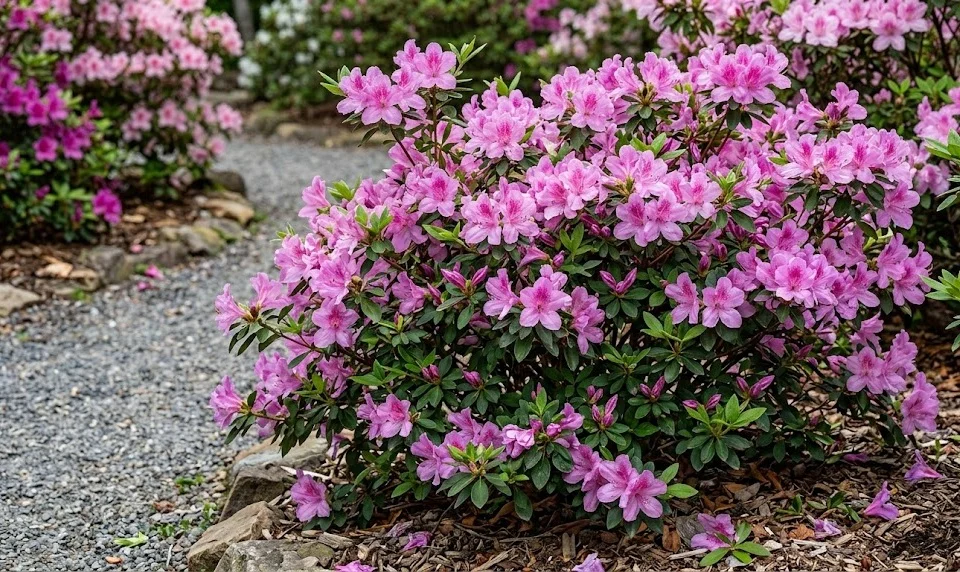

Proper hydration and nutrition are the twin pillars of a successful azalea maintenance program, ensuring the plant has the resources it needs to thrive. These shrubs are famously particular about their water intake, requiring a steady supply without the risk of saturated roots. Similarly, their nutrient needs must be met with precision, as they are sensitive to both deficiencies and over-application. Developing a professional routine for these tasks will result in lush foliage and a spectacular flowering period that defines the excellence of your garden.
Watering should always be focused at the base of the plant rather than over the top of the foliage. Wetting the leaves frequently can encourage the growth of fungal diseases, especially in humid climates or during cool evenings. Instead, use a soaker hose or a gentle drip system that delivers water directly to the root zone where it is needed. This targeted approach also conserves water by reducing evaporation and ensuring the moisture reaches the deep layers of the soil.
The timing of your watering routine can have a significant impact on the plant’s ability to handle the day’s heat. Early morning is the ideal time to water, as it allows the plant to fully hydrate before the sun begins to pull moisture from the leaves. This also ensures that any accidental moisture on the foliage has time to dry before the cooler night temperatures arrive. If you must water in the evening, try to do it early enough for the surface to dry completely before nightfall.
During periods of extreme drought, azaleas will show their distress by drooping their leaves or developing brown, crispy edges. You should never wait for these signs to appear, as internal damage may have already occurred by the time symptoms are visible. Consistent monitoring of the soil moisture about two inches below the surface is the best way to prevent stress. If the soil feels dry at that depth, it is time to provide a thorough soaking to replenish the ground.
Managing water quality and soil pH
The quality of the water you use can slowly alter the chemical balance of the soil over many years. Many municipal water supplies are slightly alkaline or contain high levels of calcium, which can raise the soil pH. Since azaleas are strict acid-loving plants, this shift can eventually prevent them from absorbing iron and other essential minerals. Using rainwater whenever possible is a great way to maintain the natural acidity of the growing environment.
More articles on this topic
If you must use tap water that is hard or alkaline, you may need to counteract its effects with soil acidifiers. Products containing elemental sulfur or iron sulfate can be applied periodically to keep the pH within the desired range. Regular soil testing will help you determine if your watering habits are causing a gradual shift in the soil chemistry. Catching these changes early allows for minor corrections before the plant begins to show signs of chlorosis.
In areas with very sandy soil, water passes through so quickly that the plants may struggle to stay hydrated even with regular watering. In these cases, adding organic matter is essential for increasing the water-holding capacity of the earth. Compost and peat moss act like sponges, holding onto moisture and releasing it slowly as the roots need it. This reduces the frequency of watering and provides a more stable environment for the delicate root system.
Conversely, if you are dealing with heavy clay, you must be careful not to create a “bathtub effect” where water sits in the planting hole. This lack of drainage can lead to root suffocation and the rapid onset of fungal rot. Improving the soil structure through aeration and the addition of coarse materials is the only long-term solution. In extreme cases, planting on mounds or in raised beds may be the only way to manage water effectively for azaleas.
Professional fertilization strategies
Fertilizing azaleas is a task that requires a “less is more” approach to avoid damaging the sensitive root systems. These plants are not heavy feeders, and applying too much fertilizer can lead to excessive foliage growth at the expense of flowers. Use a fertilizer specifically formulated for acid-loving plants, which typically has a lower nitrogen content and includes essential micronutrients. Always follow the manufacturer’s instructions carefully, as the concentration is designed for specific application rates.
More articles on this topic
The best time to apply fertilizer is in the early spring, just as the new growth begins to emerge from the buds. This provides the plant with a boost of energy right when it needs it most for the upcoming blooming season. A second, lighter application can be done after the flowers have faded to support the development of next year’s buds. Avoid fertilizing late in the summer or autumn, as this can stimulate tender growth that will not survive the winter.
Organic fertilizers, such as well-rotted manure or specialized organic blends, offer a slow-release source of nutrients. These products break down gradually, providing a steady supply of food while also improving the overall health of the soil. They are much less likely to cause fertilizer burn compared to concentrated synthetic options. Many professional gardeners prefer organic methods because they support a diverse and healthy soil ecosystem.
If you choose to use synthetic fertilizers, look for slow-release granules that provide nutrients over several months. This prevents the “boom and bust” cycle of nutrient availability and reduces the risk of leaching into the groundwater. Spread the granules evenly around the drip line of the plant and water them in thoroughly to start the release process. Never allow fertilizer granules to come into direct contact with the stems or the leaves of the plant.
Identifying nutrient deficiencies
One of the most common signs of a nutritional problem in azaleas is iron chlorosis, which causes leaves to turn yellow while the veins remain dark green. This is usually not caused by a lack of iron in the soil, but rather by a pH that is too high for the plant to absorb it. To fix this, you must first address the soil acidity before applying any supplemental iron treatments. Once the pH is corrected, the plant should regain its healthy green color within a few weeks.
Nitrogen deficiency is characterized by a general yellowing of the older leaves and a noticeable slowdown in growth. While some leaf drop is normal for evergreen azaleas in the spring, widespread yellowing during the growing season is a cause for concern. Applying a balanced, acid-forming fertilizer will usually resolve this issue and restore the plant’s vigor. Be careful not to overcompensate, as too much nitrogen can make the plant more attractive to certain pests.
Phosphorus and potassium are also important for root development and overall plant resilience, though deficiencies are less common. A lack of phosphorus may result in stunted growth and a dull, purplish tint to the leaves during the summer. Potassium deficiency often shows up as browning along the edges of the leaves or a general weakened appearance. A complete fertilizer designed for ericaceous plants will typically contain these elements in the correct proportions.
Magnesium deficiency can sometimes occur, appearing as yellowing between the veins of older leaves, similar to iron chlorosis. This can often be corrected by applying a small amount of Epsom salts dissolved in water to the root zone. However, you should always confirm the deficiency with a soil test before adding specific minerals. Maintaining a balanced soil environment is always easier than trying to correct specific imbalances after they appear.
Seasonal hydration and feeding adjustments
The watering needs of azaleas change drastically as the seasons shift and the weather patterns evolve. During the heat of mid-summer, you may need to increase the frequency of watering to compensate for high evaporation rates. It is often helpful to apply a deeper soak less frequently rather than light sprinkling every day. This encourages the roots to grow deeper into the soil where they are better protected from the surface heat.
In the autumn, you should gradually reduce the amount of water you provide as the plant’s growth slows down. However, you must ensure that the ground is not bone-dry when the first hard freeze arrives in the winter. Roots that are hydrated are much more likely to survive extreme cold than those that are desiccated. A final deep watering in late autumn is a professional secret for successful overwintering in many climates.
During the winter months, azaleas in containers need special attention because they can dry out even in cold temperatures. If there is a period of thaw, check the pots and provide a small amount of water if the soil feels dry. For plants in the ground, natural rainfall or snow melt is usually sufficient to keep the dormant roots alive. Avoid any form of fertilization during the winter, as the plant is not in a state to process nutrients.
The return of spring brings a rapid increase in water demand as the sap begins to flow and the leaves expand. This is the most critical time to ensure the plant never experiences a water deficit, as it could ruin the entire flowering display. Combine your first spring watering with your annual fertilization to give the plant a strong start. By staying ahead of the plant’s needs, you ensure a healthy and vibrant garden year after year.