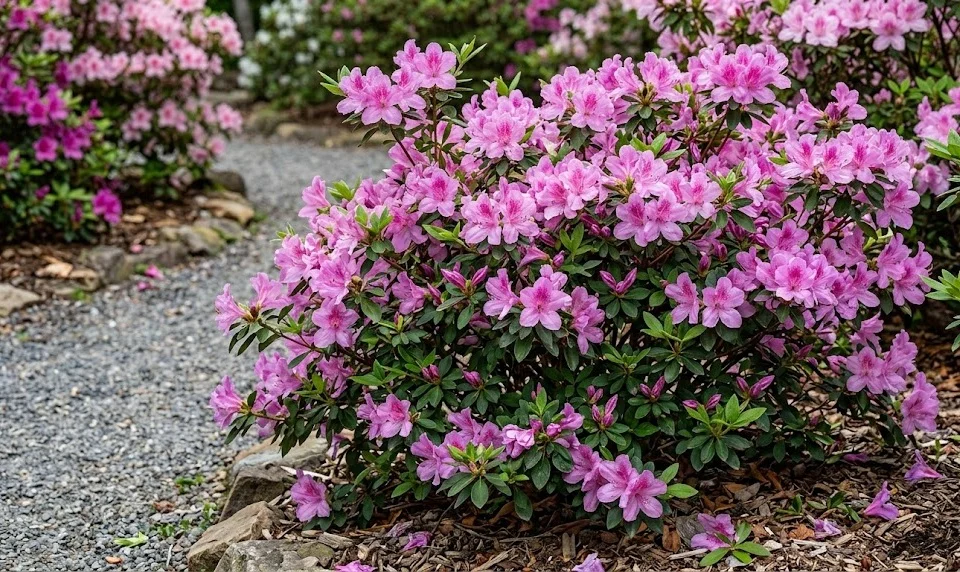

Understanding the light requirements of azaleas is essential for any gardener who wishes to see these plants reach their full aesthetic potential. While they are often described as shade-loving plants, the reality is a bit more nuanced and depends on the specific variety and the local climate. Striking the right balance between light and shadow will determine the density of the foliage and the abundance of the flowers. In this guide, we will explore how to professionaly manage light exposure to ensure your azaleas thrive in their environment.
In their natural habitat, azaleas are typically found on the edges of forests or in the dappled light beneath a tall canopy. This “filtered light” is the gold standard for most species, as it provides enough energy for photosynthesis without the risk of scorching. When sunlight is filtered through the leaves of overhead trees, it changes intensity throughout the day, preventing the plant from being overheated. If you can replicate this environment in your garden, your azaleas will likely be healthy and vigorous.
Direct, intense sunlight is the primary enemy of many azalea varieties, especially during the peak heat of the afternoon. High light levels can cause the leaves to turn yellow or develop brown, papery spots known as sunscald. This is particularly problematic for evergreen varieties, which can lose a significant amount of moisture through their leaves in bright sun. If your only available planting spot is in full sun, you must be extremely diligent with watering and mulching to compensate for the stress.
On the other hand, too much shade can lead to a different set of problems for the azalea grower. A plant that is grown in deep, heavy shade will often become leggy and sparse as it stretches toward the light. More importantly, flower bud production is heavily dependent on the amount of light the plant receives during the summer months. If the shade is too dense, you may find that your azalea produces plenty of green leaves but very few of the vibrant flowers you expect.
Morning sun vs afternoon heat
One of the most effective strategies for planting azaleas is to find a location that offers morning sun and afternoon shade. The morning sun is much less intense and provides the energy needed for healthy growth without the extreme heat of the later day. This early light also helps to dry the morning dew off the leaves, which can reduce the risk of fungal diseases. For most gardeners, an east-facing location is the ideal spot for establishing a successful azalea bed.
More articles on this topic
The afternoon sun, particularly in the summer, can be incredibly harsh and can quickly dehydrate the shallow root system of an azalea. If the plant is exposed to this heat, it may wilt even if the soil is relatively moist. Over time, this daily stress can weaken the plant and make it more susceptible to pests and diseases. If your garden only has afternoon sun, you might need to use taller plants or garden structures to create artificial shade.
Deciduous azaleas are generally more tolerant of higher light levels than the evergreen types, and some even thrive in full sun in cooler climates. These varieties often have thicker, more resilient leaves that can handle the extra energy without burning. If you have a sunnier spot in your landscape, look for “Lights” series or other sun-tolerant cultivars specifically bred for these conditions. Always check the specific recommendations for each variety before making a final planting decision.
Reflected light from light-colored walls or concrete surfaces can also impact the amount of heat and light an azalea receives. These surfaces can act like mirrors, concentrating the sun’s energy and creating a much hotter microclimate than the surrounding area. Avoid planting azaleas directly against white walls or near large paved patios unless you have significant shade from other sources. Being aware of these subtle light factors is what separates a professional gardener from a hobbyist.
Adjusting light for optimal blooming
If you notice that your azalea is not blooming as well as it used to, the first thing to check is the light levels. Over several years, nearby trees and shrubs can grow and create much denser shade than was present when you first planted. Thinning out the canopy of overhead trees to allow more “dappled” light to reach the ground can often rejuvenate an under-performing azalea. This practice, known as crown thinning, is a common professional technique for managing woodland garden beds.
More articles on this topic
The color of the flowers can also be slightly affected by the amount of light the plant receives. In some varieties, very intense light can cause the flower colors to fade more quickly than they would in a more sheltered spot. If you want to enjoy the deepest, most vibrant colors, providing a bit more shade during the blooming period can help. Conversely, some white or pale varieties look their best with a little extra light to make them “glow” in the landscape.
For azaleas grown in containers, you have the advantage of being able to move the plant to find the perfect light balance. You might start the plant in a sunnier spot in the early spring to encourage bud development and then move it to a more shaded area as the weather warms up. This level of control allows you to maximize both the health of the plant and the beauty of the display. Just be sure to make any moves gradually to avoid shocking the plant with a sudden change in environment.
Finally, remember that light requirements can change based on your geographic location and altitude. In northern regions, the sun is less intense, and plants can often handle more direct light than they could in the south. High-altitude gardens also have more intense UV light, which may require extra shade protection even in cooler temperatures. By observing your plants closely and being willing to adjust, you can ensure your azaleas receive exactly the right amount of light they need to flourish.

