
Strategic pruning is one of the most effective tools in a gardener’s repertoire for managing the size, shape, and foliage quality of a cider gum. This species is known for its remarkable vigor and rapid growth, which can sometimes lead to it becoming too large for its intended space if left completely to its own devices. Beyond just size control, pruning can be used to stimulate the production of the highly desirable juvenile foliage and to maintain a healthy, open canopy. Mastering the art of cutting back this tree allows you to tailor its appearance to your specific aesthetic and functional needs in the garden.
The timing of your pruning activities is crucial for ensuring the tree recovers quickly and continues to grow strongly. Generally, the best time to prune a cider gum is in the late winter or early spring, just before the new growth begins to emerge. Pruning during this dormant period minimizes the loss of sap and allows the tree to focus its energy on healing the wounds as the weather warms up. However, light maintenance pruning to remove dead or damaged wood can be performed at any time of the year to keep the tree looking its best.
There are several different techniques you can use when pruning a cider gum, depending on the result you want to achieve. For instance, “coppicing” involves cutting the tree back almost to the ground to encourage a flush of new, rounded juvenile leaves from the base. “Pollarding” is a similar technique where the branches are cut back to a main trunk or a few primary limbs to create a compact, rounded head of foliage. Both methods are professional ways to keep the tree at a manageable size and maintain its most attractive leaf forms for longer.
Using the right tools and making clean, precise cuts is the hallmark of professional tree care and is essential for the health of your cider gum. Always use sharp bypass pruners, loppers, or a pruning saw that has been properly cleaned and sterilized to prevent the spread of disease. A clean cut heals much faster than a jagged or torn one, reducing the risk of fungal or bacterial infections entering the wood. By taking a thoughtful and careful approach to pruning, you can ensure your tree remains a healthy and beautiful asset to your landscape.
Techniques for juvenile foliage
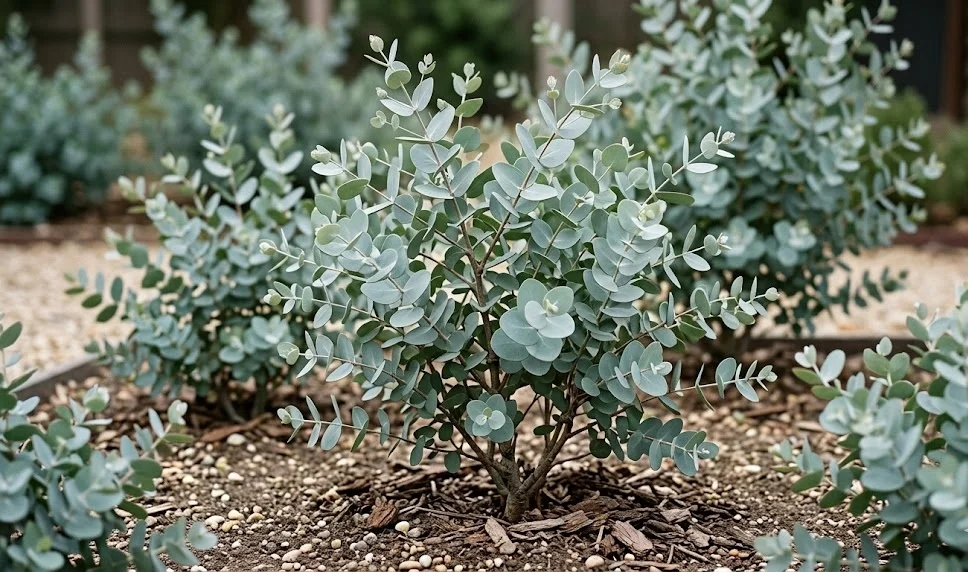
If your primary goal is to maintain the stunning, silvery-blue juvenile foliage of the cider gum, you will need to commit to a more regular pruning schedule. In nature, the tree naturally transitions to longer, lance-shaped adult leaves as it matures and gains height. To keep the tree in its juvenile state, you must frequently stimulate new growth by cutting back the branches before they have a chance to produce adult leaves. This constant rejuvenation keeps the tree looking youthful and provides a steady supply of branches for floral arrangements.
More articles on this topic
Coppicing is perhaps the most dramatic but effective way to ensure a continuous display of juvenile leaves in your garden. By cutting the entire tree down to a few inches above the ground every one to three years, you force it to send up multiple new shoots from the base. These new stems will be covered in the rounded, waxy leaves that so many gardeners and florists find absolutely irresistible. This technique essentially turns the cider gum into a large, multi-stemmed shrub rather than a single-trunked tree, making it much easier to manage in smaller spaces.
Pollarding offers a middle ground, where you maintain a permanent trunk but cut the upper branches back to the same points each year. This creates a “knuckle” of growth from which a fresh explosion of juvenile foliage emerges every spring. Pollarding is a classic European technique that works exceptionally well for keeping large trees like the eucalyptus at a specific height and width. It allows you to enjoy the architectural presence of the trunk while still benefiting from the decorative quality of the younger leaves at eye level.
When practicing these intensive pruning methods, it is important to provide the tree with a bit of extra care to help it recover from the stress. Ensure the tree is well-hydrated and consider a light application of fertilizer in the spring to support the rapid production of new growth. You should also monitor the new shoots and thin them out if they become too crowded, which helps to maintain good air circulation. With this professional level of attention, your cider gum can be kept in its most beautiful juvenile phase for many years.
Structural and maintenance pruning
Even if you prefer to let your cider gum grow into a full-sized tree, some amount of structural pruning is still necessary to ensure its health and safety. As the tree grows, you should look for any branches that are crossing or rubbing against each other, as this can damage the bark and create entry points for pests. Removing one of the competing branches while they are still small is much easier and less stressful for the tree than dealing with a large problem later. The goal is to create a strong, well-spaced framework of branches that can support the weight of the canopy.
More articles on this topic
Thinning out the interior of the canopy is another important maintenance task that improves both the health and the look of the tree. By removing some of the smaller, spindly branches from the middle, you allow more light and air to reach the center of the tree. This keeps the inner leaves healthy and reduces the risk of fungal issues like powdery mildew that thrive in stagnant conditions. A thinned canopy also offers less wind resistance, which can be a vital safety factor during heavy storms or high winds.
You should also keep an eye out for “suckers” or water sprouts, which are very fast-growing, vertical shoots that can emerge from the base or the main trunk. These shoots often lack the structural strength of the rest of the tree and can quickly become unsightly if they are not removed. Pruning them off as soon as they appear helps the tree direct its energy into the main structure and maintains its elegant, intended form. Regular walks around your tree with a pair of pruners in hand make these small maintenance tasks quick and easy.
Finally, always be sure to remove any dead, diseased, or broken wood as soon as you notice it, regardless of the time of year. Dead branches can become a breeding ground for pests and may eventually fall, posing a risk to anything underneath the tree. When removing a dead branch, be careful to cut back to healthy wood, just outside the “branch collar” where the limb meets the trunk. This professional technique ensures that the tree can properly seal the wound and prevents decay from spreading into the main body of the tree.
Managing size and aesthetic form
One of the greatest challenges with the cider gum is its sheer speed of growth, which can catch many gardeners by surprise. If your tree has outgrown its space, you can use “reduction pruning” to carefully shorten the branches and bring the tree back into scale with its surroundings. This involves cutting back long limbs to a healthy lateral branch that is at least one-third the diameter of the original stem. This method maintains the tree’s natural shape while effectively reducing its overall size and volume in the landscape.
Avoid the practice of “topping,” which involves cutting across the main trunk or large branches at a random point to reduce height. Topping creates ugly, flat-topped trees and stimulates a flush of weak, poorly attached shoots that are prone to breaking in the wind. It also leaves the tree with large, open wounds that it may struggle to seal, leading to long-term health problems and decay. A professional approach always involves selective thinning and reduction rather than blunt, indiscriminate cutting of the main structure.
The aesthetic form of the cider gum can also be enhanced through “crown lifting,” which involves removing the lower branches to expose more of the attractive, peeling trunk. This is a great technique if you want to be able to walk under the tree or plant other smaller shrubs and flowers beneath its canopy. Lifting the crown creates a more “tree-like” appearance and can make a large specimen feel much lighter and less imposing in a garden. Start by removing the lowest branches and gradually work your way up until you achieve the desired clearance.
Ultimately, the way you prune your cider gum is a reflection of your personal gardening style and the needs of your particular landscape. Whether you are aiming for a tall, majestic specimen or a small, intensely managed shrub of silvery foliage, the tree’s versatile nature allows for many possibilities. By understanding the biological responses of the tree to different types of cuts, you can guide its growth with confidence and skill. Consistent, thoughtful pruning ensures that your cider gum remains a healthy, manageable, and truly beautiful part of your garden.