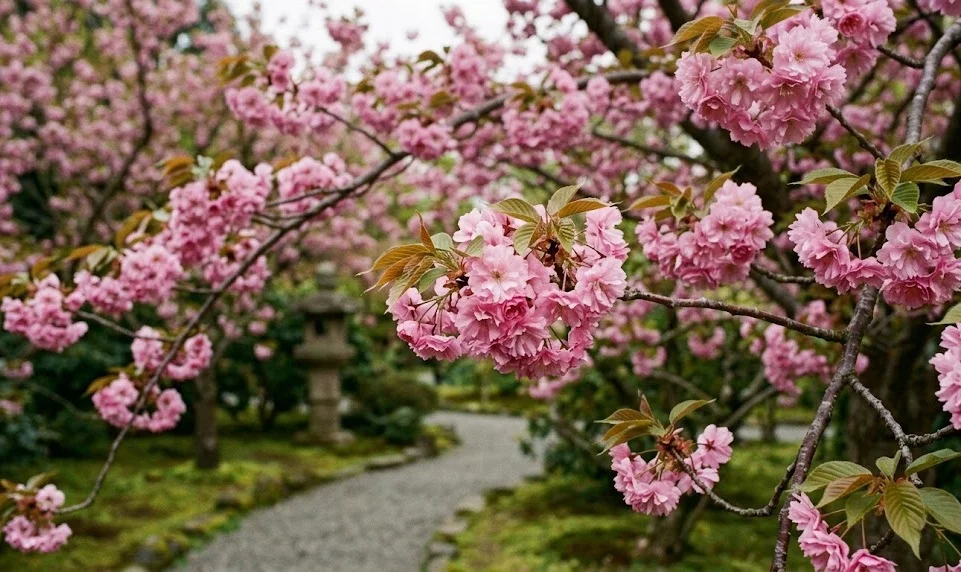

Proper hydration and nutrition are the dual pillars that support the health and spectacular blooming of the Japanese flowering cherry. While these trees are relatively hardy once established, their ornamental performance is heavily dependent on the gardener’s ability to provide a consistent supply of water and essential minerals. Understanding the specific needs of the tree during different stages of its life and across the changing seasons is key to professional-level care. This article details the scientific approach to watering and feeding these beloved landscape features.
Understanding the hydration needs of cherry trees
The water requirements of a Japanese flowering cherry change significantly as the tree matures and moves through its annual cycle. Young, newly planted trees have a limited root system and require frequent, deep watering to ensure they do not dry out during their first few growing seasons. You should aim to keep the soil consistently moist but never saturated, as standing water can quickly lead to root rot. As the tree develops a deeper and more extensive root network, it becomes more resilient to brief periods of dry weather.
The texture and composition of your soil will dictate how often you need to apply water to your tree. Heavy clay soils retain moisture for a long time but can become compacted and oxygen-deficient if over-watered too frequently. Sandy soils, by contrast, drain very quickly and may require more frequent irrigation to keep the tree hydrated during the peak of summer. Using a simple soil moisture probe can help you determine the actual conditions beneath the surface before you decide to turn on the hose.
During the spring blooming period, the tree’s demand for water increases as it supports the development of thousands of delicate blossoms. If the soil becomes too dry during this critical window, the flowers may fade prematurely or drop before they have fully opened. Providing steady moisture during this time ensures that the display remains vibrant and lasts for the maximum possible duration. It is a delicate balance, as you want to support the bloom without creating a humid environment that encourages fungal growth.
As the summer heat intensifies, the rate of transpiration from the leaves can outpace the roots’ ability to absorb water from dry soil. You may notice the leaves drooping slightly in the late afternoon, which is a clear sign that the tree is under moisture stress. To prevent long-term damage, it is best to water early in the morning, allowing the foliage to dry before evening. This practice not only provides the tree with the hydration it needs for the day but also reduces the risk of leaf diseases.
More articles on this topic
Strategic irrigation techniques for longevity
The method you use to water your Japanese flowering cherry is just as important as the amount of water you provide. Deep irrigation is always preferable to frequent, shallow watering, as it encourages the roots to grow deeper into the soil profile. Shallow watering only wets the top few inches of soil, leading to a weak root system that is highly susceptible to drought and temperature extremes. Using a soaker hose or a slow-drip system is the most efficient way to deliver water directly to the root zone over several hours.
You should direct the water toward the “drip line” of the tree, which is the area directly beneath the outermost tips of the branches. This is where the majority of the active feeder roots are located, ready to absorb moisture and transport it upward. Avoid spraying water directly onto the trunk or the foliage, as this can encourage the development of bark rot or leaf-spotting fungi. Keeping the moisture at the ground level is a professional technique that maximizes benefits while minimizing potential health risks.
During periods of extreme drought, it may be necessary to water the tree even if it is well-established and many years old. Mature trees can often survive dry spells, but their health will be compromised, and the following year’s bloom will likely be significantly reduced. A deep soaking once a week during a heatwave can make a world of difference in the tree’s ability to recover and thrive. Monitoring local weather patterns and soil conditions should be a regular part of your gardening routine throughout the summer months.
In the autumn, you should gradually reduce the frequency of watering as the tree prepares to enter its dormant state. However, it is essential to ensure that the soil has adequate moisture before the ground freezes for the winter. Evergreens are often the focus of late-season watering, but deciduous trees like the Japanese flowering cherry also benefit from going into winter well-hydrated. This prevents the roots from desiccating in the cold, dry winter soil, providing a stronger start when spring returns.
More articles on this topic
Nutrient requirements and fertilization timing
Fertilizing a Japanese flowering cherry is a task that requires a light touch, as over-feeding can be just as harmful as nutrient deficiency. The primary goal of fertilization is to provide the tree with the essential elements it needs for healthy wood, vibrant leaves, and abundant flowers. A balanced, slow-release fertilizer with an N-P-K ratio such as 10-10-10 or 14-14-14 is generally suitable for most ornamental cherries. It is always best to perform a soil test before applying any products to determine exactly what minerals your soil might be lacking.
The best time to apply fertilizer is in the early spring, just as the new growth begins to emerge from the buds. This provides the tree with a boost of nutrients right when its metabolic activity is at its highest point for the year. You should spread the fertilizer evenly across the root zone, extending slightly beyond the drip line to reach the most active roots. Watering the area thoroughly after application helps to dissolve the nutrients and move them down into the soil where the tree can access them.
Avoid fertilizing your cherry tree in the late summer or early autumn, as this can stimulate a flush of new, tender growth. This young wood will not have enough time to “harden off” before the first frost arrives, making it very susceptible to winter kill. The tree needs to slow down its growth in the late season to prepare for the cold months ahead, and late fertilization interferes with this natural process. Stick to a springtime schedule to ensure the tree follows its biological clock correctly.
For established trees growing in fertile soil, annual fertilization may not even be necessary if the tree is showing healthy growth and blooming well. You should observe the length of the new shoots each year; if the tree is growing significantly less than expected, it may be a sign that it needs a nutrient boost. Over-fertilizing can lead to excessive leaf production at the expense of flowers and can also make the tree more attractive to certain pests like aphids. Professional gardening is about providing only what is needed to maintain a healthy equilibrium.
The role of organic matter and mulch
Incorporating organic matter into the soil is a long-term strategy for maintaining a healthy nutrient cycle around your Japanese flowering cherry. As organic materials like compost or well-rotted manure break down, they slowly release a wide spectrum of micronutrients that are essential for tree health. This natural process also improves the soil structure, increasing its ability to hold both water and oxygen simultaneously. Top-dressing the root zone with a thin layer of compost each year is an excellent way to maintain soil fertility without relying solely on chemical products.
Mulching is perhaps the single most beneficial maintenance task you can perform for the health of your tree’s root system. A three-inch layer of organic mulch, such as shredded bark or wood chips, acts as a protective blanket for the soil. It drastically reduces the rate of evaporation, keeping the root zone cooler in the summer and warmer in the winter. As the mulch decomposes over time, it further contributes to the organic content of the soil, feeding the beneficial microbes that support root health.
When applying mulch, it is crucial to follow the “donut” method rather than the “volcano” method. This means you should leave a gap of several inches between the mulch and the trunk of the tree to prevent moisture from being trapped against the bark. Piling mulch directly against the trunk creates an environment where decay-causing fungi and wood-boring insects can thrive. A properly mulched tree has a wide, flat circle of material that extends to the drip line, providing a clear area for the roots to thrive without competition.
Using organic materials also encourages the presence of earthworms and other beneficial soil organisms that naturally aerate the earth. These organisms tunnel through the soil, creating channels for water and air to reach the deep roots of the cherry tree. This biological activity is a sign of a healthy, living ecosystem that supports the tree far better than sterile, compacted soil ever could. By focusing on the health of the soil, you are indirectly ensuring the long-term beauty and vigor of your Japanese flowering cherry.
Identifying and correcting nutrient imbalances
Being able to read the signs of nutrient deficiency or toxicity is an essential skill for any professional gardener caring for ornamental trees. Nitrogen deficiency is often signaled by a general yellowing of the older leaves and a noticeable slowing of the overall growth rate. If the tree lacks phosphorus, you might see stunted root development and a poor flowering performance compared to previous years. Potassium deficiency can manifest as “scorching” or browning along the edges of the leaves, particularly during dry spells.
Iron chlorosis is a common issue for Japanese flowering cherries planted in soils with a high pH, or alkaline conditions. This condition is characterized by yellow leaves with distinct green veins, as the tree is unable to absorb iron effectively from the soil. Correcting this often requires the application of chelated iron or amendments to lower the soil pH, making the existing minerals more available. Understanding the relationship between soil pH and nutrient availability is key to solving these types of physiological problems.
On the other side of the spectrum, over-fertilization can cause a buildup of salts in the soil, which can actually “burn” the roots and prevent water uptake. Signs of salt damage include brown leaf tips and a sudden decline in the tree’s health following a heavy application of fertilizer. If you suspect you have over-applied nutrients, the best course of action is to flush the soil with deep, slow watering to wash away the excess salts. This highlights why it is always better to be conservative when applying concentrated chemical fertilizers.
Regularly consulting with a professional laboratory for a comprehensive soil analysis is the most scientific way to manage the nutrition of your trees. These tests provide exact numbers for major and minor elements, as well as the organic matter percentage and pH level. Armed with this data, you can create a custom fertilization plan that addresses the specific needs of your garden’s unique environment. This level of precision is what separates an amateur hobbyist from a truly expert practitioner of ornamental arboriculture.