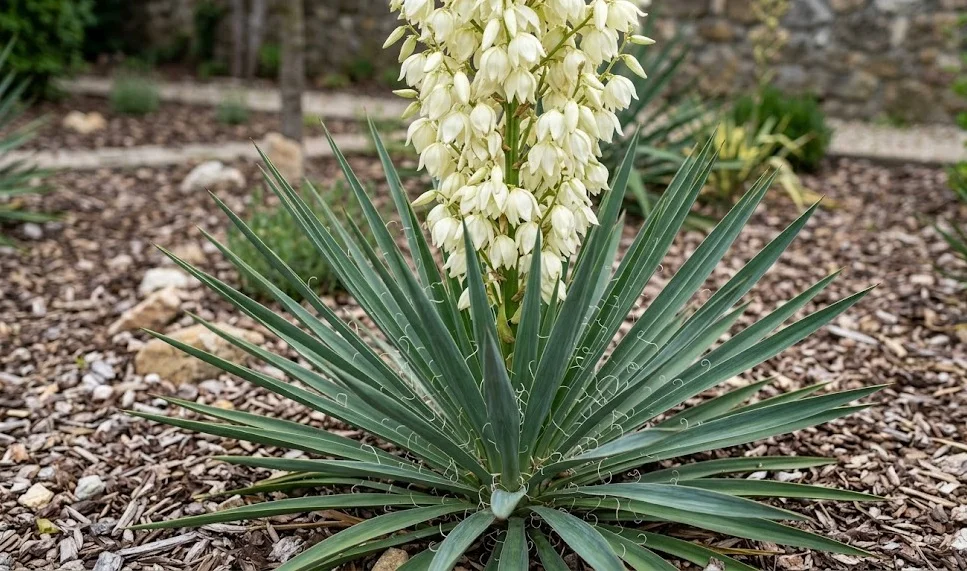

Developing a proper irrigation and nutrient strategy is vital for maintaining the health and vigor of a garden yucca. While these plants are famous for their ability to withstand harsh, dry conditions, they still require specific care to reach their full aesthetic potential. A professional gardener knows that “less is more” when it comes to these desert-adapted species, but “less” does not mean “nothing.” Striking the right balance will prevent common issues like root rot and nutrient deficiencies, ensuring a lush and vibrant display.
Watering should be approached with a focus on deep, infrequent applications rather than light, daily sprinkling. This encourages the plant to develop a deep and resilient root system that can survive through the hottest summer months. The goal is to saturate the soil and then allow it to dry out almost completely before the next session. This cycle mimics the natural rainfall patterns of the arid regions where these plants originated.
Fertilization is equally nuanced, as yuccas are generally not heavy feeders and can be damaged by excessive chemical salts. Using the right type of nutrients at the right time of year will support strong leaf growth and impressive floral displays. A well-fed plant is also much better at resisting pests and diseases than one struggling in depleted soil. However, it is essential to understand that over-fertilization can lead to weak, floppy growth that ruins the plant’s architectural form.
Environmental factors such as soil type, temperature, and sunlight levels will all influence your watering and feeding schedule. A plant in sandy soil will need water more often than one in loamy soil, and summer requirements will differ greatly from winter needs. By observing the plant’s response to your care, you can fine-tune your approach for your specific microclimate. Professional care is all about observing these subtle differences and adjusting accordingly.
Establishing a hydration routine
During the first year after planting, your yucca will need more regular watering than an established specimen. You should aim to keep the soil slightly moist but never soggy as the new roots begin to explore their environment. Depending on the weather, a thorough watering once a week is usually sufficient for a young plant. Once you see significant new growth, you can begin to taper off the frequency and move toward a more “natural” schedule.
More articles on this topic
For mature plants, the best indicator of a need for water is the soil moisture level a few inches below the surface. You can use a simple wooden dowel or your finger to check if the soil is dry. If the soil still feels damp, wait a few more days before adding any more water. This conservative approach is the best way to prevent the buildup of pathogens that thrive in wet conditions.
The time of day you choose to water also matters for the long-term health of the foliage. Early morning is ideal because it allows any water that accidentally hits the leaves to dry off quickly in the sun. Watering late in the evening can leave moisture trapped in the crown of the plant overnight, which is a major cause of fungal growth. If possible, use a drip irrigation system or a soaker hose to deliver water directly to the soil surface.
Seasonal shifts should dictate major changes in your watering habits. In the spring and summer, when the plant is actively growing and producing flowers, it will use more water. As the temperatures drop in autumn, the plant’s metabolism slows down, and its water needs decrease significantly. During the winter, you may not need to water at all unless you are experiencing an unusually long and dry warm spell.
Managing drainage and rot prevention
The biggest threat to a garden yucca is not drought, but poor drainage that leads to root rot. Root rot is a silent killer because by the time you see symptoms in the leaves, the damage below ground is often severe. Symptoms include a softening of the base of the plant, a foul odor from the soil, and yellowing of the inner leaves. Preventing these conditions is far easier than trying to cure a plant that has already begun to decay.
More articles on this topic
To ensure proper drainage, you must look at both the soil composition and the surrounding landscape. If your garden has a high clay content, the addition of organic matter alone may not be enough to keep the roots dry. Incorporating inorganic materials like coarse grit or expanded clay pellets can provide the structural air gaps that the roots need. Always ensure that the planting area is not in a depression where water from other parts of the garden might collect.
If you suspect that a plant is suffering from overwatering, the first step is to stop all irrigation immediately. You may need to gently remove some of the soil around the base to allow the crown to breathe and dry out. In extreme cases, you might even need to dig up the plant, trim away any blackened or mushy roots, and replant it in a much drier mix. This is a drastic measure, but it is sometimes the only way to save a prized specimen.
Using a layer of mulch can help regulate soil moisture, but it must be applied with caution. Organic mulches like wood chips can hold too much moisture against the trunk of the yucca if they are piled too high. A professional technique is to keep a “clear zone” of several inches around the base of the plant where no mulch is present. Alternatively, using a gravel mulch provides all the benefits of moisture regulation without the risk of rot.
Understanding nutrient requirements
While yuccas are hardy, they do require a basic set of nutrients to maintain their structural integrity. Nitrogen is important for leaf color and growth, but too much of it can cause the leaves to become too soft and lose their upright habit. Phosphorus and potassium are vital for root development and the production of those magnificent summer flowers. A balanced, slow-release fertilizer is usually the best choice for providing these elements over a long period.
Micronutrients also play a significant role in the health of these plants, even though they are needed in tiny amounts. Iron, manganese, and zinc are essential for the chemical processes that happen inside the leaves. If your soil is very alkaline, these minerals might become “locked” and unavailable to the plant. Using a fertilizer that includes chelated micronutrients can ensure the plant has access to everything it needs regardless of the soil pH.
The overall quality of your soil will determine how much supplemental feeding is necessary. In rich, loamy soils, the plant may find enough natural nutrients to thrive for years without any help. However, in very sandy or depleted soils, the plant will eventually show signs of slow growth or pale foliage. Professional gardeners often use a light application of compost tea or seaweed extract as a gentle way to boost the soil’s biological health.
Always avoid fertilizing a plant that is already stressed by drought or disease. Adding nutrients to a plant that cannot process them can lead to further root damage or chemical imbalances. Make sure the plant is well-hydrated before applying any fertilizer, and always water it in thoroughly afterward. This ensures the nutrients are distributed evenly through the root zone and prevents high concentrations from burning the sensitive tissues.
Timing and technique of fertilization
The best time to fertilize your garden yucca is in the early spring, just as the new growth begins to emerge. This gives the plant a reservoir of nutrients to draw from during its most active period of the year. A second, lighter application can be done in early summer, especially if the plant is preparing to bloom. Avoid any fertilization after mid-summer, as you don’t want to encourage soft new growth that could be damaged by the first frosts of autumn.
When applying granular fertilizer, scatter it evenly around the drip line of the plant rather than piling it near the base. The “drip line” is the area directly under the outer edge of the foliage, which is where the most active feeder roots are located. Use a rake to gently work the granules into the top inch of soil, being careful not to disturb the roots. This method ensures the nutrients are exactly where the plant can use them most effectively.
Liquid fertilizers can also be used, especially for a quick boost or for plants grown in containers. These should be diluted to half the strength recommended on the package to avoid over-stimulating the plant. Liquid feeding is a good way to deliver nutrients during the blooming phase when the plant’s energy demands are at their peak. Just remember that liquid nutrients leach out of the soil more quickly than granular versions.
Consistency is more important than quantity when it comes to feeding desert plants. It is much better to provide a small amount of nutrients once or twice a year than to provide a large dose all at once. If you notice that your plant is growing very vigorously and looks healthy, you might even skip a year of fertilization. A professional gardener learns to read the plant’s “body language” to determine when it actually needs a boost.
Correcting nutrient imbalances
If you notice your yucca leaves turning yellow or developing strange spots, you may be dealing with a nutrient imbalance. Nitrogen deficiency usually shows up as a general paling of the older leaves, while new growth remains green. On the other hand, if the edges of the leaves are turning brown or “scorched,” it could be a sign of too much fertilizer or a buildup of salts in the soil. Identifying these symptoms early allows you to take corrective action before the plant’s health is compromised.
To fix an over-fertilization issue, you can “flush” the soil by watering deeply and repeatedly over several days. This helps wash away the excess salts and nutrients that are causing the problem. After flushing, avoid any further fertilization for at least a full growing season to allow the soil to return to its natural balance. This is a common issue in container-grown plants where salts cannot easily escape the potting mix.
Iron chlorosis is another common problem, especially in areas with very hard water or alkaline soil. The leaves will turn bright yellow, but the veins will remain green, creating a distinctive “webbed” look. This can be treated by applying a chelated iron supplement or by slightly acidifying the soil with elemental sulfur. It may take several weeks to see an improvement, but the new growth will eventually return to its healthy green state.
Finally, always remember that environmental stress can sometimes look like a nutrient problem. Wind burn, cold damage, or improper watering can all cause leaf discoloration that a gardener might mistake for a lack of fertilizer. Before adding any chemicals to your garden, rule out these external factors. A holistic approach to plant health is the hallmark of professional horticultural care.