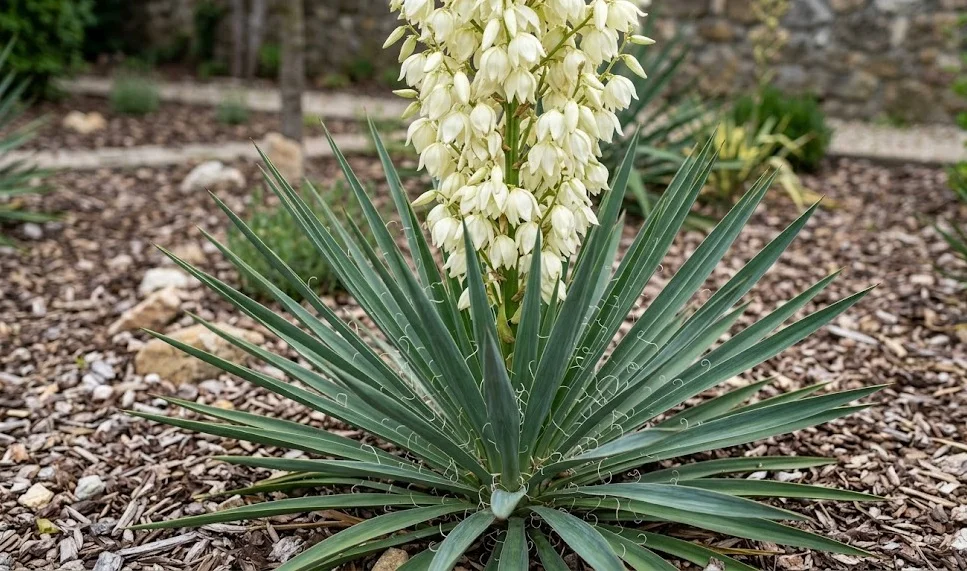

Understanding the light requirements of the garden yucca is fundamental to its health and the quality of its structural display. As a plant that is naturally adapted to open, sun-drenched environments, its biological processes are highly dependent on receiving high levels of solar energy. A professional gardener knows that light is the primary “fuel” for this species, dictating everything from its leaf color to its ability to bloom. Providing the right amount of sunlight is the single most important factor in achieving a professional-grade specimen.
The ideal scenario for this plant is full sun, which means at least six to eight hours of direct, unfiltered sunlight every day. In these conditions, the leaves will be at their strongest and most upright, and the plant will have the energy required to send up its massive flower stalks. Sunlight also acts as a natural disinfectant, helping to keep the foliage dry and reducing the risk of fungal leaf spots. If you want your yucca to look like it belongs in a high-end landscape, you must prioritize its access to the sun.
While the plant is incredibly sun-tolerant, it can struggle if it is suddenly moved from a shaded environment to an intense, high-heat location. This is often a concern for newly purchased plants that have been kept under nursery shade cloths. A professional approach involves a “hardening off” period, where the plant is gradually introduced to increasing levels of light over several days. This prevents “sunscald,” which can permanently damage the appearance of the leaves.
The direction of the light and the presence of nearby structures can also influence how the plant grows. A yucca planted against a north-facing wall may never receive enough light to thrive, while one on a south-facing slope will likely be the star of the garden. Understanding the “light map” of your outdoor space is a key skill for any successful horticulturist. By matching the plant to its optimal light environment, you set the stage for a lifetime of healthy growth.
Maximizing sunlight for health
When selecting a site, look for areas that are free from the shadows of large trees or buildings for the majority of the day. Even partial shade can cause the yucca to “stretch” toward the light, leading to a lopsided or weak appearance. In professional landscape design, these plants are often used in open areas where they can serve as structural focal points without competition for light. A clear, open sky is the best canopy for a thriving yucca.
More articles on this topic
The intensity of the light is just as important as the duration, especially in cooler climates. In northern regions, the sun is less intense, so providing the maximum possible exposure is even more critical. You might even consider placing the plant near light-colored walls or stone paths that reflect extra light and heat back onto the foliage. This can create a slightly warmer microclimate that helps the plant thrive in areas that might otherwise be a bit too cool.
If you are growing your yucca in a container, you have the advantage of being able to move it throughout the season to follow the sun. As the angle of the sun changes from spring to summer, a spot that was once sunny might become shaded by a neighboring structure. Professional container gardening involves being aware of these shifts and adjusting the plant’s position accordingly. This ensures the plant never experiences a “light deficit” that could stall its growth.
Sunlight also plays a vital role in the plant’s water cycle and overall soil health. High light levels help the soil dry out more quickly after rain, which is essential for preventing the root rot that yuccas are so sensitive to. In a shaded spot, the soil stays damp for much longer, creating a high-risk environment for the plant’s root system. By maximizing sunlight, you are indirectly supporting the health of the entire plant from the roots up.
Effects of inadequate lighting
When a garden yucca doesn’t receive enough light, the first sign is usually a change in the color and posture of its leaves. Instead of a vibrant green and a stiff, upright habit, the leaves may become a duller shade and begin to sag or flop over. This is the plant’s way of trying to increase its surface area to catch whatever little light is available. A “floppy” yucca is almost always a sign of insufficient sunlight and should be addressed immediately.
More articles on this topic
The lack of light will also significantly delay or completely prevent the plant from flowering. Producing a three- to six-foot flower stalk requires a massive amount of stored energy, which the plant can only produce through photosynthesis in full sun. If your mature yucca has failed to bloom for several years, the most likely culprit is too much shade. Moving the plant to a sunnier location is often the only way to restore its blooming potential.
In low-light conditions, the plant’s overall growth rate will slow down dramatically, and it will become much more susceptible to pests and diseases. Fungi thrive in the damp, shaded microclimates created by sagging leaves and slow-drying soil. Insects like scale and mealybugs also find it easier to establish colonies on a plant that is already weakened by a lack of light. Professional care means recognizing that light is a form of “preventive medicine” for the plant.
If you find that your yucca is in a spot that has become too shady over time due to the growth of nearby trees, you have two professional options. You can either prune the trees to “open up” the light or you can transplant the yucca to a more suitable location. Because yuccas have deep taproots, transplanting is a major task that should be done with care, ideally in the early spring. It is far better to move the plant once than to let it slowly decline in the shade.
Protecting against intense heat
While it may seem contradictory, even a sun-loving plant like the yucca can occasionally suffer from too much heat, especially in extreme desert climates. When temperatures stay consistently above 100 degrees Fahrenheit, the plant may enter a semi-dormant state to conserve moisture. During these times, you might see the leaves curl slightly inward, which is a natural defense mechanism to reduce water loss. Understanding this behavior helps you avoid over-reacting with excessive watering.
Sunburn on yucca leaves appears as bleached, white, or straw-colored patches that do not turn back to green. This usually happens when a plant that has been in the shade is suddenly exposed to intense, midday sun without a transition period. While these patches won’t kill the plant, they are permanent and can ruin its professional appearance for several years. Always take the time to acclimate new plants or those that have been moved from indoors.
In very hot regions, a little bit of late afternoon shade can actually be beneficial, as it gives the plant a break from the most intense heat of the day. A location that receives full morning and midday sun but is shielded from the scorching 4:00 PM sun is often the “sweet spot” in hot climates. This balance allows the plant to get all the energy it needs while avoiding the risk of heat stress. Professional gardening is often about finding these perfect balances within your local environment.
Finally, remember that light and water are closely linked in the plant’s biology. A plant in intense sun will naturally use more water than one in a cooler, shaded spot. During record-breaking heatwaves, even an established yucca will appreciate an extra deep soak to keep its tissues hydrated. By managing the relationship between light and moisture, you can keep your garden looking lush and professional even in the height of summer.