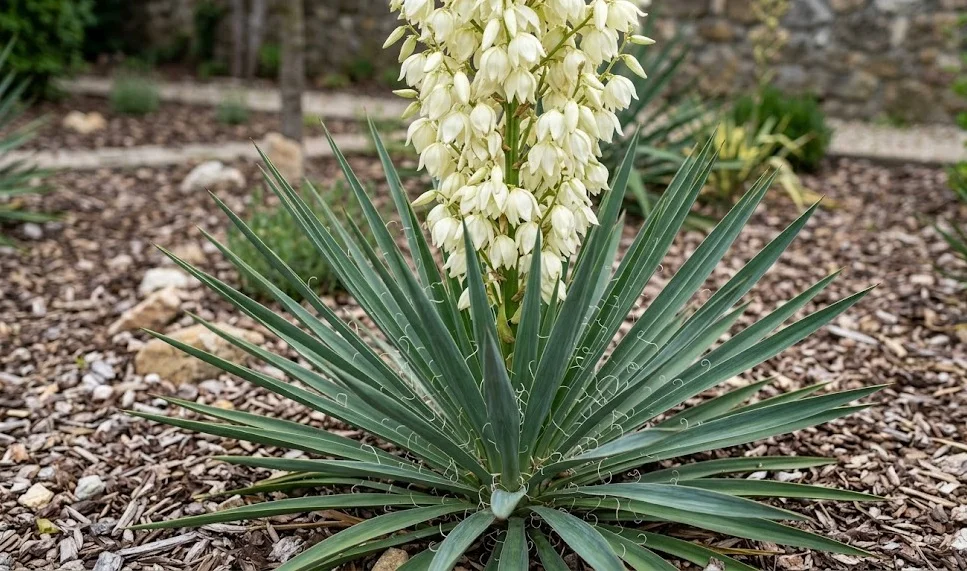

Protecting the garden yucca from biological threats requires a vigilant eye and a professional understanding of common pathogens and insects. While these plants are exceptionally hardy, they are not completely immune to the challenges posed by the local ecosystem. Identifying a problem in its early stages is the key to preventing a minor issue from becoming a devastating infestation. This guide outlines the most frequent diseases and pests you might encounter and offers expert advice on how to manage them effectively.
Most health issues in yuccas are related to excess moisture, which creates a breeding ground for various fungal and bacterial infections. Fungal leaf spots are perhaps the most common sight, appearing as unsightly brown or black lesions on the otherwise beautiful foliage. While these spots are often cosmetic, they can weaken the plant over time if left unchecked. Understanding the conditions that lead to these outbreaks is the first step in creating a long-term defense strategy.
Insects can also target these plants, either by feeding on the sap or by boring into the fleshy tissues of the leaves and stems. From tiny mites to larger scale insects, each pest leaves behind specific clues that an observant gardener can learn to recognize. Managing these pests often involves a combination of manual removal, biological controls, and, when absolutely necessary, targeted chemical treatments. The goal is always to restore the plant’s health while causing minimal disruption to the surrounding environment.
Preventive care is always more effective than reactive treatment when it comes to garden health. By maintaining the right soil conditions and ensuring adequate airflow, you can naturally discourage many of the pests and diseases that affect this species. A stressed plant is a beacon for trouble, so keeping your yucca well-watered and properly fed is your best line of defense. Professional management is about creating an environment where the plant can thrive and defend itself naturally.
Common fungal leaf issues
Fungal leaf spot is a frequent problem that manifests as small, circular lesions with dark borders on the foliage. These spots are usually caused by pathogens that thrive in humid conditions or when water is left standing on the leaves for too long. While a few spots won’t kill a mature plant, a severe infection can cause premature leaf drop and a general decline in vigor. To manage this, you should avoid overhead watering and ensure that the plants are spaced far enough apart to allow for excellent air circulation.
More articles on this topic
If you notice an outbreak, the first step is to carefully remove and dispose of the most heavily infected leaves. Do not put these leaves in your compost pile, as the fungal spores can survive and re-infect your garden later. After cleaning up the plant, you can apply a copper-based fungicide to protect the remaining healthy foliage. This treatment is most effective when applied in the spring or early summer before the humidity levels begin to rise.
Another fungal threat is powdery mildew, which appears as a white, dusty coating on the leaf surfaces. This usually occurs during periods of warm days and cool, damp nights, especially in sheltered parts of the garden. While it looks alarming, powdery mildew is rarely fatal and can often be managed with a simple spray of neem oil or a potassium bicarbonate solution. Improving the light levels around the plant can also help discourage the growth of this particular fungus.
For professional-grade prevention, consider applying a preventive fungicide in early spring if you have a history of leaf spot in your garden. This proactive approach creates a chemical barrier that stops the spores from germinating in the first place. Always follow the specific instructions on the product label to ensure you are using it safely and effectively. Consistent monitoring throughout the growing season will help you catch any “breakthrough” infections before they spread.
Combating subterranean root rot
Root rot is arguably the most serious disease affecting garden yuccas because it strikes at the very heart of the plant’s survival system. It is almost always caused by waterlogged soil, which allows species of Phytophthora or other water molds to attack the roots. The first signs are often subtle, such as a slight yellowing of the inner leaves or a general lack of new growth. As the disease progresses, the base of the plant may become soft and mushy, and the entire specimen may eventually collapse.
More articles on this topic
If you suspect root rot, you must act quickly to change the plant’s environment. This often involves improving the drainage of the entire bed or even relocating the plant to a more suitable spot. If the plant is small enough, you can dig it up to inspect the root system directly. Healthy roots should be firm and white or tan, while rotted roots will be black, slimy, and easily broken.
Trimming away the damaged roots with sterilized tools can sometimes save a plant in the early stages of rot. After pruning, the remaining healthy root ball should be treated with a fungicide specifically designed for soil-borne pathogens. Replant the yucca in fresh, dry soil that has been amended with plenty of grit or sand to ensure it never sits in water again. It will take some time for the plant to recover, so be extremely careful with watering during the following months.
Prevention is centered around the “right plant, right place” philosophy of professional gardening. Never plant a yucca in a spot that stays wet after a rainstorm or near a leaky irrigation head. Choosing a slightly elevated planting site or a slope can provide a natural drainage advantage that protects the roots year-round. A healthy root system is the best guarantee of a long-lived and beautiful plant.
Identifying common insect pests
Scale insects are a frequent nuisance for yucca owners, appearing as small, waxy bumps on the underside of the leaves or along the stems. These pests suck the sap from the plant, which can lead to yellowing and a sticky residue known as honeydew. Honeydew often attracts ants and can lead to the growth of black sooty mold, which further disfigures the plant. Because of their protective waxy coating, scale insects can be difficult to eliminate with standard contact sprays.
To manage scale, you can start by manually scraping off the visible bumps with a soft brush or your fingernail for small infestations. For more widespread problems, an application of horticultural oil is often very effective. The oil works by smothering the insects and their eggs, but it must be applied thoroughly to cover all parts of the plant. It is best to apply these oils during the cooler parts of the day to avoid any risk of leaf burn.
Mealybugs are another sap-sucking pest that looks like tiny tufts of white cotton hidden in the crevices of the plant. Like scale, they weaken the yucca and produce honeydew, but they are much more mobile and can spread quickly between plants. If you spot them, a strong blast of water can often dislodge them, or you can use a cotton swab dipped in rubbing alcohol to kill them on contact. Systemic insecticides can also be used for persistent problems, as they are absorbed by the plant and kill the bugs as they feed.
Yucca weevils are a more specialized pest that can cause significant structural damage by boring into the heart of the plant. Their larvae eat the internal tissues, which can cause the leaves to wilt or the entire crown to die off unexpectedly. Because they work from the inside, they are often difficult to detect until the damage is already done. Professional control involves maintaining high plant vigor and using targeted insecticides if you live in an area where these weevils are known to be active.
Natural and chemical control
Integrated Pest Management (IPM) is the professional standard for dealing with garden problems, focusing on the least toxic methods first. This approach starts with biological controls, such as encouraging natural predators like ladybugs and lacewings that eat aphids and mites. You can attract these beneficial insects by planting a variety of flowers nearby that provide them with pollen and nectar. A balanced ecosystem is often the most effective way to keep pest populations at manageable levels.
When natural methods aren’t enough, organic sprays like neem oil or insecticidal soap are excellent secondary options. These products have low toxicity to humans and pets but are very effective against soft-bodied insects like aphids and young scale. They must be applied directly to the pests to work, so thorough coverage of the plant is essential. Always test a small area of the foliage first to ensure the plant doesn’t have an adverse reaction to the spray.
Chemical insecticides should be considered a last resort and used only when a valuable plant’s life is at stake. If you must use them, choose products that are specifically labeled for use on yuccas or similar succulents. Systemic products are often the most effective for boring insects or hidden pests because they protect the entire plant from the inside out. Be mindful of the timing of your application to avoid harming bees and other essential pollinators that visit the flowers.
Always wear protective clothing and follow all safety precautions when handling any type of garden chemical. It is also a professional best practice to keep a record of what treatments you used and how the plant responded. This information will be invaluable if you face similar problems in the future. Effective pest and disease management is a skill that grows with experience and careful observation.
Building systemic resistance
The ultimate goal of any professional care routine is to help the plant build its own natural defenses. A healthy yucca with a strong root system and optimal light exposure is naturally more resistant to both pests and diseases. Think of your care routine as a way to support the plant’s “immune system” rather than just fixing problems as they occur. Consistent watering, proper nutrition, and a clean environment are the pillars of this proactive approach.
One way to boost a plant’s resilience is through the use of biostimulants like kelp extract or beneficial soil microbes. These products don’t provide a lot of raw nutrients, but they help the plant process existing minerals more efficiently and better withstand environmental stress. Incorporating these into your spring maintenance can provide a subtle but meaningful advantage. Healthy soil biology is a powerful ally in the fight against many common pathogens.
Regular pruning and cleaning are also part of a resistance-building strategy. Removing old, dead leaves eliminates potential hiding spots for pests and improves the airflow that prevents fungal growth. Keeping the area around the base of the plant free of weeds also reduces competition and limits the transfer of pests from other plants. A tidy garden is almost always a healthier garden.
Finally, remember that some minor damage is a normal part of a plant’s life in the outdoor world. You don’t need to reach for a chemical spray every time you see a single spot on a leaf or a stray insect. Learning to distinguish between a minor cosmetic issue and a serious threat is a key part of becoming an expert gardener. By focusing on overall plant health, you create a garden that is beautiful, resilient, and truly professional.