
The garden yucca is a remarkably resilient and architecturally stunning plant that brings a touch of the desert to temperate landscapes. Maintaining its health requires a balance of minimal intervention and specific attention to its natural growth patterns. Gardeners often appreciate this species for its low-maintenance nature, yet understanding its core needs is essential for long-term success. By following a structured care routine, you can ensure that this evergreen perennial remains a focal point of your garden for decades.
Proper care begins with understanding the environment where these plants naturally thrive. They are adapted to sandy, well-draining soils and can tolerate significant periods of drought once they have established their root systems. Overwatering is often the biggest mistake made by novice gardeners, as excessive moisture leads to crown rot. Observing the plant’s foliage will often give you clues about whether your current care regimen is meeting its biological requirements.
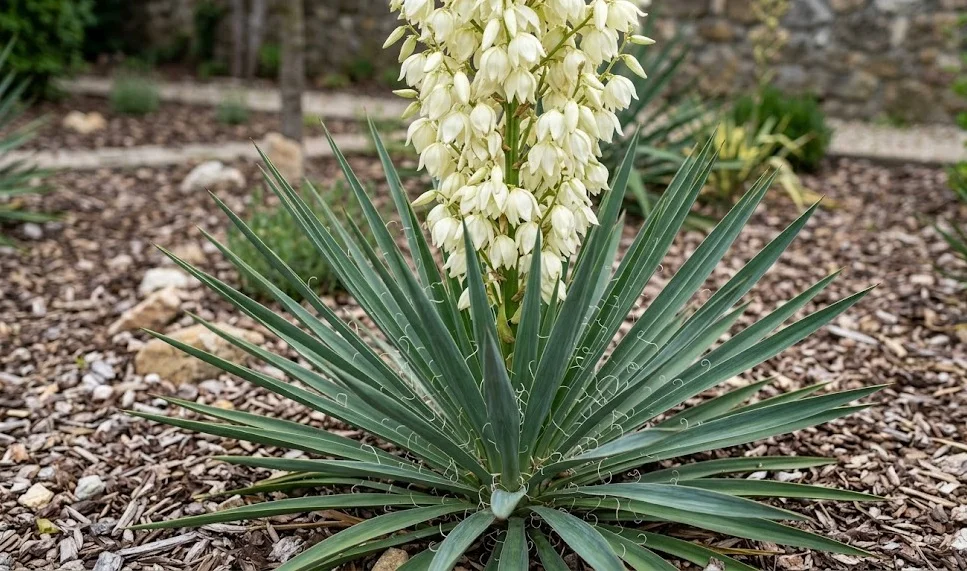
While these plants are tough, they do benefit from a clear maintenance schedule that addresses their seasonal transitions. During the active growing months, you should monitor the central spike for new growth and check for any signs of nutritional deficiencies. Removing spent flower stalks and damaged leaves is not just about aesthetics; it helps the plant direct its energy toward new growth. A well-cared-for yucca will reward you with a magnificent display of bell-shaped flowers and sturdy, vibrant leaves.
Expert care also involves a proactive approach to soil health and surrounding vegetation. Competing weeds can sap necessary nutrients and moisture from the soil, especially in younger plants that are still finding their footing. Mulching is a great tool, but it must be done correctly to avoid trapping moisture against the base of the plant. A thin layer of gravel or crushed stone is often better than wood mulch for this particular species.
Understanding the growth environment
The foundational aspect of care is ensuring the soil remains porous enough to allow air to reach the roots. Heavy clay soils are the primary enemy of this plant because they hold onto water far too long. If your garden has heavy soil, you might consider planting your yucca on a slight mound to encourage drainage. This simple structural change can prevent the most common health issues associated with stagnant water.
More articles on this topic
Spacing is another critical factor that gardeners often overlook when the plants are still small. These plants can spread significantly over time, and their sharp leaves require enough room so that you can walk past them safely. Crowding them with other perennials can restrict airflow, which increases the risk of fungal leaf spots. Giving each plant about three feet of space will allow it to reach its full architectural potential without interference.
Temperature resilience is a key feature of this specific variety, but care must be adjusted based on your specific hardiness zone. In cooler climates, the plant may experience some leaf browning during harsh winters, which is a natural response to extreme cold. You don’t need to worry about occasional frost, as the core of the plant is usually quite protected by its dense foliage. However, consistent monitoring during the transition between seasons will help you identify when the plant needs a little extra help.
Finally, the impact of local microclimates within your garden can change how you approach daily care. A plant placed near a brick wall may receive reflected heat, requiring slightly more frequent checks for dehydration. Conversely, a plant in a lower spot in the garden might deal with more moisture than is ideal. Learning to read these subtle environmental cues is what separates a casual gardener from a true expert in the field.
Foliage and crown maintenance
The striking sword-like leaves of the yucca are its most defining feature, and keeping them clean is vital for photosynthesis. Dust and debris can accumulate in the tight crevices of the leaves, especially after heavy winds or dry spells. You can use a gentle spray of water to wash away this buildup, ensuring the stomata on the leaf surfaces remain unobstructed. This simple act of cleaning can significantly improve the plant’s overall vigor and appearance.
More articles on this topic
As the plant matures, the lower leaves will naturally age, turn brown, and eventually wither away. This is a completely normal part of the growth cycle and does not indicate a lack of health or nutrients. Removing these old leaves keeps the garden looking tidy and prevents pests from hiding in the dry material. Always use sharp, sterilized shears when cutting away old foliage to ensure clean wounds that heal quickly.
The central crown of the yucca is the heart of the plant and must be protected from mechanical damage. Avoid stepping too close to the base of the plant, as soil compaction can damage the sensitive root flares. If the crown becomes buried under too much mulch or soil, the plant may begin to suffocate or rot. Maintaining a clear area around the base is a fundamental part of professional yucca care.
In certain conditions, you might notice the leaves curling or showing signs of stress. This can be a reaction to extreme heat or a signal that the plant is attempting to conserve moisture. While the plant is drought-tolerant, it will appreciate occasional support during record-breaking heatwaves. Understanding these visual signals allows you to intervene only when absolutely necessary, preserving the plant’s natural resilience.
Seasonal blooming cycles
The flowering of a garden yucca is a spectacular event that usually occurs in mid-summer. Large panicles of white flowers rise high above the foliage, attracting various pollinators and providing a vertical element to the garden. During this period, the plant allocates a significant amount of energy to reproduction. You should ensure the plant has sufficient hydration during the budding phase to support the heavy floral display.
Once the flowers have faded and the stalk begins to turn brown, it is time to intervene. Leaving the dead flower stalk on the plant can invite pests and may lead to unwanted seed dispersal. Cutting the stalk back to the base of the foliage encourages the plant to return its focus to leaf production. This also prevents the plant from looking unkempt and maintains its clean, architectural lines.
It is important to note that individual rosettes may only bloom once in their lifetime. After a successful bloom, that specific rosette might slowly decline while new offsets emerge from the base. This is the plant’s natural way of renewing itself and should not be a cause for alarm. By managing these cycles, you are helping the colony remain youthful and productive.
The timing of the bloom can vary slightly depending on the previous winter’s conditions and the amount of spring rain. A very cold winter followed by a dry spring might delay the flowering process by a few weeks. Observing these variations helps you understand the long-term rhythm of your garden. Consistent blooming is usually a sign that the plant is perfectly situated and receiving the right level of care.
Nutrient management and soil health
While yuccas are famous for their ability to survive in poor soils, they do respond well to occasional nutrient boosts. However, over-fertilizing is a common trap that can lead to soft, weak growth that is more susceptible to damage. A professional approach involves testing the soil before adding any amendments to see what is truly missing. Most of the time, a light application of a balanced formula in early spring is all that is required.
Organic matter can be beneficial, but it should be incorporated into the soil in a way that doesn’t compromise drainage. Composted material helps build soil structure and provides a slow release of essential minerals. If you use compost, make sure it is well-aged and free of weed seeds that could compete with the yucca. Mixing it with coarse sand or grit can create the perfect medium for these desert-hardy plants.
Monitoring the pH of the soil is also a part of expert maintenance for this species. They generally prefer a neutral to slightly alkaline environment, though they are quite adaptable to various conditions. If your soil is excessively acidic, the plant might struggle to take up certain micronutrients, leading to yellowing leaves. A simple lime application can often rectify this issue and restore the plant’s deep green color.
Micro-nutrients like iron and magnesium play a supporting role in the production of chlorophyll and overall plant strength. If the new growth appears pale or stunted despite proper watering, a deficiency might be the cause. Using a specialized fertilizer that includes these trace elements can provide the necessary spark for healthy growth. Always follow the manufacturer’s instructions to avoid chemical burns on the sensitive root system.
Long term plant health strategies
Building a long-term care strategy involves more than just reacting to problems as they arise. It means creating a stable environment where the plant can grow undisturbed for many years. Because these plants have deep taproots, they do not like to be moved once they have reached maturity. Choosing the right spot the first time is perhaps the most important care decision you will ever make.
Regularly inspecting the plant for early signs of stress or disease can save a lot of effort later. Catching a small fungal infection on a single leaf is much easier to manage than dealing with a systemic problem. A quick walk-through of your garden once a week is usually enough to spot any changes in the plant’s appearance. This proactive habit ensures that small issues never turn into major threats to the plant’s survival.
You should also consider the impact of surrounding trees as they grow and change the light patterns in your garden. A yucca that was once in full sun may find itself in deep shade after a few years of tree growth. In such cases, you might need to prune the overhanging branches to restore the light levels the yucca requires. Adaptive management is key to keeping a garden healthy over the course of several decades.
Finally, documentation can be a helpful tool for the serious gardener or professional landscaper. Keeping a simple log of when the plant blooms or when you last applied fertilizer can provide valuable insights. Over time, you will see patterns that help you refine your care techniques even further. This level of dedication ensures that your garden remains a thriving, professional-grade landscape.
Managing the root zone and drainage
The health of the root system is the invisible foundation upon which the entire plant stands. Because yuccas have such a robust and deep root structure, they can access moisture far below the surface. This is why they are so drought-tolerant, but it also means they are sensitive to any changes in the soil table. Disrupting the soil near a mature plant can cause significant stress, so all digging should be done with care.
Aeration is occasionally necessary in gardens where the soil has become heavily compacted over time. You can use a garden fork to gently poke holes around the drip line of the plant to allow oxygen to reach the roots. This is especially helpful in high-traffic areas where the ground has been packed down by footfall. Improved oxygen levels in the soil will lead to a more vigorous and resilient plant.
Mulching with inorganic materials is a strategy often used by professionals to manage the root zone. Rocks, pebbles, or crushed slate look excellent and provide several functional benefits for the plant. They help keep the soil temperature stable while allowing water to pass through quickly to the roots. Unlike wood mulch, stone does not break down and will not contribute to the nitrogen tie-up in the soil.
Water runoff should be directed away from the center of the plant during heavy rainstorms. If you notice water pooling around the base of your yucca, you may need to adjust the grading of the soil. Creating a small swale or installing a simple drain can move excess water to other parts of the garden. Managing the movement of water across your landscape is a high-level skill that pays dividends in plant health.
Aesthetic and functional integration
In a professional landscape, the care of a plant also involves maintaining its aesthetic role within the design. The architectural form of the yucca makes it a perfect specimen plant or a dramatic border element. Keeping the edges of the planting bed clean and defined helps highlight the plant’s unique shape. A well-maintained yucca should look intentional and balanced within its surroundings.
You may also use these plants as a natural barrier due to their tough, pointed leaves. In this role, care involves ensuring the plants are thick and healthy enough to serve their functional purpose. Periodic thinning of the offsets can help maintain a specific density without the area becoming overcrowded. This balance between growth and control is essential for a tidy and professional appearance.
The white filaments that peel from the leaf edges are a unique feature that adds texture to the plant. While some might be tempted to trim these away, they are a natural part of the plant’s character and should be left intact. They catch the light and add a soft, silvery element to the garden, especially in the early morning or late afternoon. Preserving these natural details is part of appreciating the plant for what it truly is.
As the years go by, your garden yucca will become a permanent fixture of your outdoor space. Its care will become a routine that fits into the natural flow of the seasons. By respecting the plant’s biology and providing it with the basic conditions it needs, you create a lasting legacy. A thriving yucca is a testament to a gardener’s skill and patience in working with nature.