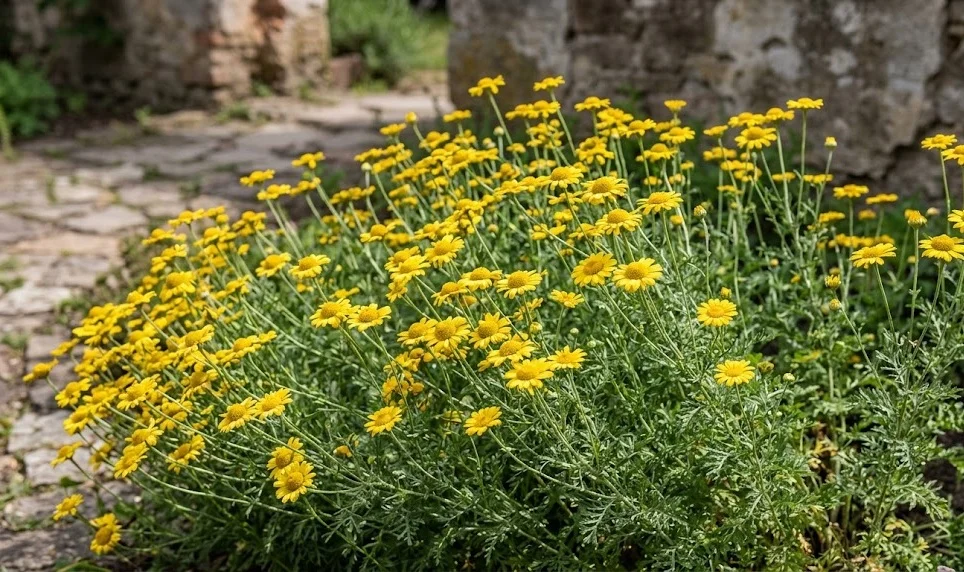

Proper watering is a fundamental aspect of cultivating healthy golden marguerite, though its needs are quite specific compared to other perennials. This plant is naturally adapted to dry conditions and possesses a high degree of drought tolerance once it has become established. You should always aim to water at the base of the plant rather than over the foliage to minimize the risk of disease. Understanding the natural rhythm of moisture in your garden will help you determine the best schedule for this resilient flower.
During the first few months after planting, your primary goal is to help the root system expand into the surrounding soil. You should provide consistent moisture, checking the soil every few days to ensure it hasn’t completely dried out. A deep soak once a week is generally better than light daily sprinkling, as it encourages roots to grow deeper. Once the plant shows signs of vigorous new growth, you can begin to reduce the frequency of your watering sessions.
Established plants typically only require supplemental water during periods of extreme heat or prolonged drought. If you notice the foliage starting to wilt or look slightly silvered, it may be time for a thorough watering. You should always check the soil moisture levels before reaching for the hose to avoid the dangers of over-watering. Most mature specimens can go several weeks without rain if the soil conditions are otherwise favorable for their survival.
The time of day you choose to water can also impact the overall health and efficiency of your gardening routine. Early morning is the most ideal time, as it allows the foliage to dry quickly in the rising sun. If you must water in the evening, be extra careful not to get the leaves wet, as damp foliage overnight is a recipe for fungal growth. Using a soaker hose or a drip irrigation system is a professional way to manage water delivery with precision.
The dangers of excessive moisture
One of the most common mistakes in caring for golden marguerite is providing too much water, which leads to various health issues. This plant is highly susceptible to root rot if it is forced to sit in heavy, waterlogged soil for extended periods. You will see the plant turning yellow and collapsing if the roots are unable to breathe due to excessive moisture. Once rot has set in, it is very difficult to save the specimen, making prevention the best strategy.
More articles on this topic
Poor drainage is often the underlying cause of moisture-related problems in the garden landscape. If your soil has a high clay content, it will retain water much longer than is healthy for this Mediterranean-style perennial. You should observe how quickly puddles disappear after a heavy rainstorm to gauge the drainage quality of your planting site. Improving the soil structure with inorganic materials is a permanent solution to many watering challenges.
In humid climates, even the air itself can provide more moisture than the golden marguerite prefers to handle. You should adjust your watering habits based on the humidity levels to prevent the environment from becoming too saturated. On very humid days, the plant transpires less, meaning it needs even less water from the ground than usual. Paying attention to these subtle environmental cues is what separates a novice from an expert gardener.
Winter moisture is perhaps the most dangerous form of excessive watering for this particular species of flower. While the plant is dormant, it is even less equipped to deal with wet feet than during the active growing season. Cold, wet soil can kill the crown of the plant even if the temperatures do not drop below its hardiness limit. Ensuring the planting site is slightly elevated or sloped can help divert excess winter rain away from the sensitive crown.
Nutrient requirements and soil fertility
Golden marguerite is a plant that actually performs better in soil that is not overly fertile or rich in nutrients. You should avoid the temptation to use high-strength fertilizers that are designed for heavy-feeding annuals or vegetables. In its natural state, this plant thrives on lean soils, and mimicking this environment will result in a hardier specimen. Excessive nutrients can lead to a lush explosion of leaves but very few of the iconic yellow flowers you desire.
More articles on this topic
If your soil is naturally very poor, a light application of compost in the spring may be all the plant needs. You can spread a thin layer around the base of the clump, taking care not to pile it up against the stems. This slow-release form of nutrition provides a steady supply of elements without shocking the plant into unnatural growth spurts. Organic matter also helps maintain a healthy community of soil microbes that support the plant’s immune system.
Nitrogen is the nutrient you should be most cautious with when choosing a fertilizer for your marguerites. Too much nitrogen causes the stems to grow too quickly, making them weak and prone to falling over under their own weight. This phenomenon, known as lodging, ruins the aesthetic appeal of the plant and can lead to breakage during summer storms. A fertilizer with a lower first number and higher phosphorus content is generally a safer choice for flowering perennials.
Testing your soil periodically can provide valuable insights into exactly what nutrients are present or lacking in your garden. You might find that your soil is already rich in potassium or phosphorus, meaning no additional fertilizer is required. Understanding the baseline fertility of your land allows you to make informed decisions and avoid the waste of unnecessary products. A scientific approach to gardening often leads to more sustainable and successful results over the long term.
Application techniques for fertilizers
When you do decide to fertilize, timing is just as important as the type of product you choose to use. The best time for a single annual application is in early spring just as the first green shoots begin to emerge. This provides the plant with a boost of energy right when it is preparing for its most active phase of growth. Applying fertilizer too late in the summer can stimulate new growth that won’t have time to harden off before winter.
Granular fertilizers should be applied to the soil surface and then lightly scratched into the top inch of the earth. You should always water the area thoroughly after application to help dissolve the granules and move the nutrients to the roots. Be careful not to let the fertilizer granules touch the foliage or the crown, as this can cause chemical burns. Precision in application ensures that the plant gets the benefit without any of the potential side effects.
Liquid fertilizers are another option, though they are usually not necessary for established plants in the open ground. If you are growing golden marguerite in a container, a diluted liquid feed every few weeks during the flowering season can be helpful. Containers lose nutrients more quickly through leaching, so a more regular feeding schedule is often required. Always follow the manufacturer’s instructions for dilution to avoid over-concentrating the solution.
Natural alternatives like seaweed extract or compost tea can provide a gentle boost to the plant’s health without the risks of synthetic products. These options contain a wide range of trace minerals and growth-promoting substances that enhance overall resilience. You can apply these as a soil drench or even a foliar spray in the early morning hours. Using natural methods aligns with an ecological approach to gardening that benefits the entire local ecosystem.
Monitoring plant response to feeding and watering
The most reliable indicator of whether your watering and fertilization routines are working is the plant itself. You should look for firm, upright stems and a deep green color in the finely textured leaves. If the plant looks pale or yellowish, it might be a sign of a nutrient deficiency or, more likely, a drainage issue. Taking the time to really look at your plants every day will help you catch these signs early on.
Flowering performance is another key metric you should use to evaluate the success of your care plan. A healthy golden marguerite should produce a profusion of bright yellow flowers that stay upright on their stems. If you see plenty of foliage but very few blooms, you have likely over-fertilized with nitrogen or placed the plant in too much shade. Adjusting your strategy for the following season is part of the iterative process of becoming a better gardener.
Check the base of the plant occasionally to see if the crown is firm and the soil is not overly compacted. Soil compaction can prevent water and air from reaching the roots, leading to a slow decline in the plant’s vigor. You can gently loosen the soil surface with a hand fork if it appears to be forming a hard crust. Maintaining a healthy soil structure is a vital but often overlooked part of the watering and feeding cycle.
Lastly, keep a simple garden journal to record when you water and what fertilizers you apply throughout the year. Comparing these notes with the plant’s performance will reveal patterns that are specific to your unique garden environment. What works in one garden might not work in another, so personal observation is your most powerful tool. Over time, you will develop a “gut feeling” for what your golden marguerites need to truly thrive.