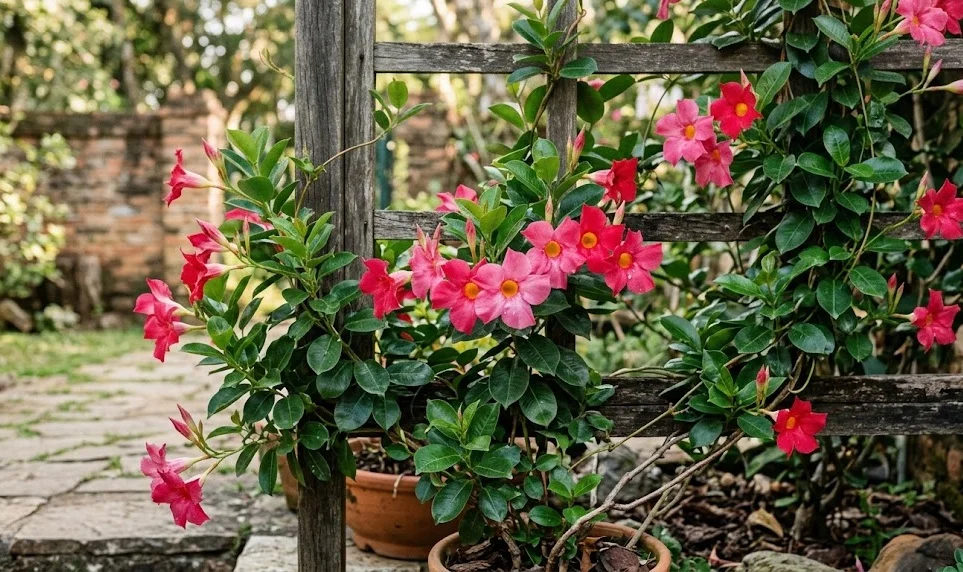

Starting your cultivation journey with high-quality planting material is essential for establishing a vigorous vine. Healthy parent plants produce robust cuttings that root more readily and develop into strong specimens. You should examine prospective selections closely for signs of pests, diseases, or structural weaknesses. Investing time in choosing prime material pays significant dividends throughout the entire growing process.
When selecting stems for propagation, look for semi-ripe wood that exhibits good flexibility and health. Avoid overly green, succulent tips that are prone to rotting before roots can form properly. Similarly, old, woody stems are often too stubborn to generate new root systems efficiently. The ideal cutting comes from a mature branch that has recently finished flowering.
The condition of the root system on purchased nursery plants requires careful evaluation before transplanting. Gently slide the plant out of its container to verify that the roots are creamy white. Dark brown or mushy roots indicate poor drainage and potential systemic infections within the substrate. Healthy roots should fill the pot comfortably without wrapping tightly around the perimeter.
Healthy foliage is another excellent indicator of prime planting material suitable for successful propagation. Leaves should be uniform in color and free from suspicious spotting or physical deformities. Choosing a plant with numerous active growth nodes increases your chances of successful stem cutting propagation. Starting with top-tier material minimizes future troubleshooting and ensures rapid establishment in your garden.
Step by step propagation techniques
Stem cuttings represent the most reliable and popular method for propagating this beautiful tropical climber. You should collect cuttings during the late spring or early summer when growth is most active. Use a sterilized, sharp pruning knife to make clean cuts without crushing the delicate plant tissue. Preparing the material correctly maximizes the surface area available for new root initiation.
More articles on this topic
Each cutting should measure approximately ten to fifteen centimeters in length and contain several nodes. Remove the lower leaves carefully to expose the nodes where roots will eventually develop. Leave a few upper leaves intact to allow the cutting to photosynthesize during the rooting process. This balance between energy production and moisture preservation is vital for early survival.
Applying a high-quality rooting hormone powder to the wounded base significantly accelerates root development. Dip the cut end into the hormone and gently tap off any excess material. Insert the treated cutting into a moist, sterile propagation mix composed of peat and perlite. Firm the substrate gently around the base to ensure secure contact and eliminate air pockets.
Creating a humid microenvironment around the newly planted cuttings prevents excessive moisture loss through transpiration. You can cover the propagation tray with a clear plastic dome or a loose bag. Place the setup in a warm location that receives bright, indirect sunlight rather than harsh direct rays. Consistent ambient warmth encourages rapid cellular division and the subsequent emergence of roots.
Rooting and early development care
Monitoring moisture levels within the propagation medium requires a delicate and attentive touch daily. The substrate must remain consistently damp but never saturated or waterlogged to avoid stem rot. Mist the cuttings regularly to maintain high humidity levels underneath the protective plastic cover. Striking the right balance keeps the tender tissues hydrated while roots begin to form.
More articles on this topic
Root initiation typically occurs within three to six weeks depending on temperature and humidity conditions. You can check for successful rooting by applying gentle upward tugs on the stem base. Resistance indicates that a functional root system is beginning to anchor the cutting securely into the mix. Once roots are established, you can gradually remove the humidity cover to acclimate the plants.
Transitioning the young rooted cuttings to a less humid environment must be done slowly over several days. Start by propping open the plastic cover for a few hours each afternoon to lower humidity. This gradual exposure strengthens the cuticle layer on the leaves and prevents sudden wilting or shock. Monitoring the plants during this phase ensures they adapt successfully to ambient room conditions.
Early nutritional support should be minimal to avoid burning the delicate new root structures. Wait until you see visible new leaf growth before introducing highly diluted liquid fertilizer to the regimen. A weak nutrient solution provides the necessary building blocks for further vegetative expansion without causing chemical stress. Providing gentle care at this stage builds a resilient foundation for future growth.
Potting on and establishing young vines
Repotting the successfully rooted cuttings into individual containers marks a major milestone in their development. Select small pots filled with a well-draining, nutrient-rich potting mix suitable for tropical species. Handle the young root systems with extreme care to avoid tearing or breaking the fragile strands. Position the plant at the same depth it was growing in the propagation tray.
Water the newly potted vines thoroughly to settle the soil around the expanded root zone completely. Place them in a sheltered, warm location with plenty of bright, indirect sunlight for a week. This temporary protection allows the roots to recover from transplant shock and begin exploring the new substrate. Once established, they can tolerate direct morning sun to fuel faster growth rates.
Introducing a small supportive stake early encourages the young vine to begin climbing immediately. As the new shoots elongate, guide them gently toward the support to establish an upward growth habit. This early training prevents the stems from tangling with neighboring pots on your garden bench. Proper support also ensures that all leaves receive uniform exposure to light and air.
Regular monitoring during the first few months outdoors ensures the young plants adapt to variable weather. Protect them from sudden heavy downpours that could wash away the loose potting soil from the containers. Watch for any signs of nutrient deficiencies as the root system expands to fill the pot. Your attentive care transforms these humble cuttings into spectacular flowering specimens by mid-summer.