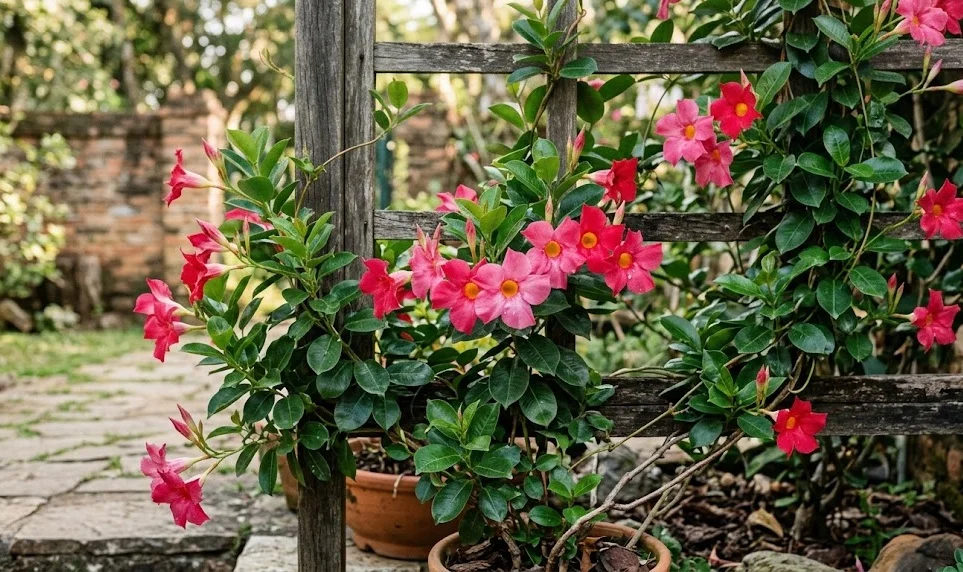

Protecting your tropical climber from destructive insects is vital for maintaining its aesthetic appeal and vigor. These exotic plants can attract several common garden pests that feed on sap and weaken the structure. Early identification of these invaders allows you to implement control measures before significant damage occurs. Regular inspections of the undersides of leaves and new growth tips are essential safety practices.
Aphids are among the most frequent pests to target the tender new shoots during spring. These tiny, soft-bodied insects gather in large clusters to suck nutrient-rich sap from the plant. Their feeding causes leaves to curl, distort, and lose their vibrant green color rapidly. They also excrete a sticky substance called honeydew, which attracts ants and promotes sooty mold.
Spider mites thrive in hot, dry conditions and can multiply rapidly during the peak of summer. These microscopic pests are difficult to spot individually, but their presence is revealed by fine webbing. They pierce individual plant cells, creating a speckled or bronzed appearance on the leaf surfaces. Increasing humidity around the vine helps discourage these pests from establishing large, damaging colonies.
Mealybugs present another significant threat, appearing as small, white, cottony masses in leaf axils. They hide in hard-to-reach crevices along the stems and sap the plant’s vital energy continuously. Heavy infestations lead to stunted growth, yellowing foliage, and premature dropping of beautiful flowers. Inspecting newly purchased plants carefully prevents you from introducing these stubborn pests into your garden collection.
Fungal and bacterial infections
Fungal diseases represent a serious threat to the health of vines grown in humid conditions. Leaf spot diseases present as dark brown or black circular lesions surrounded by yellow halos. These pathogens spread quickly via water droplets during heavy summer rains or careless overhead irrigation. Promptly removing infected foliage prevents the spores from traveling to healthy parts of the plant.
More articles on this topic
Powdery mildew appears as a conspicuous white, dusty coating on the upper surfaces of leaves. It thrives in environments with high humidity but poor air circulation around the dense foliage. This fungus disrupts photosynthesis, causing the leaves to wither, turn yellow, and drop prematurely. Pruning internal branches to improve airflow is an excellent way to combat this specific fungal issue.
Root rot is perhaps the most devastating fungal condition, caused by waterlogged soil environments. The pathogens attack the root system, turning healthy white tissues into a mushy, black mass. Above ground, the plant wilts deceptively, tempting unaware gardeners to add even more damaging water. Once root rot becomes widespread, saving the vine becomes extremely difficult or impossible.
Bacterial blight can occasionally infect the vascular system through open wounds or insect bites. This condition causes rapid wilting of entire stems and the appearance of water-soaked spots. There are few effective treatments for systemic bacterial infections once they take hold inside. Maintaining clean tools and preventing physical injury to the stems are your best defense mechanisms.
Preventative measures in the garden
Implementing robust preventative strategies is far more effective than treating active pest or disease outbreaks. Maintaining optimal plant health through proper watering and nutrition builds strong natural defense systems. Resilient plants can withstand minor pest feeding without suffering long-term structural or visual damage. Creating the ideal growing environment minimizes stress and reduces vulnerability to opportunistic pathogens.
More articles on this topic
Adequate spacing between individual pots or climbing structures is crucial for preventing disease transmission. Crowded plants trap moisture among their leaves, creating a perfect microclimate for fungal spores. Allowing air to circulate freely through the foliage helps wet surfaces dry rapidly after rainfall. Proper ventilation is one of the simplest yet most effective preventative tools available.
Regular sanitation practices around the growing area significantly reduce pest and pathogen reservoirs. Clean up fallen leaves, spent flowers, and dead stems from the soil surface promptly. This debris can harbor overwintering insect eggs or fungal spores waiting for favorable conditions. Keeping the cultivation space tidy disrupts the life cycles of many common garden enemies.
Quarantining new additions to your plant collection for a few weeks safeguards established specimens. Inspect the newcomers thoroughly under bright light to check for hidden pests or spots. Treating any discovered issues in isolation prevents widespread outbreaks across your entire outdoor display. This disciplined practice saves immense time, money, and frustration in the long run.
Organic and chemical treatment options
Selecting the right intervention method depends on the severity and type of the infestation. For minor pest problems, a strong stream of water can dislodge insects effectively. Manual removal using a cotton swab dipped in rubbing alcohol works wonderfully for mealybugs. These low-impact approaches resolve minor issues without disrupting the broader garden ecosystem unnecessarily.
Insecticidal soaps and horticultural oils offer excellent organic control against soft-bodied insects. These products work by suffocating the pests upon direct contact without leaving toxic residues. Apply them thoroughly to all plant surfaces, paying special attention to the leaf undersides. Repeat applications are usually necessary to target newly hatched individuals and break the cycle.
Neem oil serves as a versatile organic fungicide and insecticide for preventative and curative care. It disrupts the hormonal systems of insects and inhibits the germination of fungal spores. Regular spraying during warm, humid periods helps keep powdery mildew and leaf spots under control. Always apply neem oil during the evening to avoid leaf scorch from direct sunlight.
Chemical fungicides or systemic insecticides should be reserved as a last resort for severe infestations. These powerful products can eliminate stubborn pests quickly but may harm beneficial insects like pollinators. Always follow the safety instructions and application rates printed on the product label precisely. Using chemical interventions judiciously protects your plants while minimizing negative impacts on the surrounding environment.
Recovery and rehabilitation of stressed plants
Supporting a vine through its recovery phase requires patience and specialized adjustments to care. Once the primary pest or disease issue is resolved, focus on minimizing further environmental stress. Place the recovering plant in a sheltered location away from intense afternoon sun and wind. Gentle, stable conditions allow the damaged tissues to heal and stabilize effectively over time.
Adjust your watering routine carefully to match the plant’s reduced capacity for moisture absorption. Damaged root systems or defoliated stems consume significantly less water than healthy, active specimens. Keep the soil lightly damp but avoid overwatering, which could trigger a secondary rot infection. Allowing the surface to dry out slightly between waterings encourages new root development.
Postpone any heavy fertilization until you see clear signs of fresh, healthy growth emerging. Introducing strong nutrients to a stressed plant can overload its compromised metabolic systems and burn roots. Once new leaves appear, apply a highly diluted, balanced liquid fertilizer to support rebuilding. This gradual reintroduction of nutrients fuels steady recovery without causing further chemical shock.
Pruning away permanently damaged or dead tissues helps the plant redirect its energy productively. Cut back blackened stems and remove heavily spotted leaves that cannot recover their function. This aesthetic cleanup also eliminates potential entry points for new pathogens during the recovery process. Your dedicated rehabilitation efforts will eventually restore the vine’s original beauty and vigor.