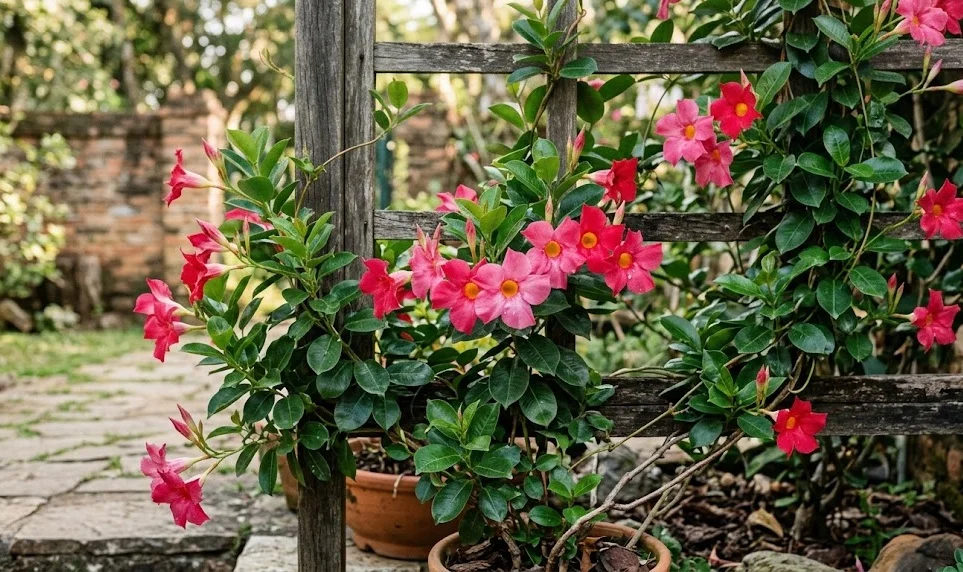

Ensuring the survival of this tropical vine through the winter months requires timely and careful preparation. Because the plant cannot tolerate freezing temperatures, you must move it indoors before the first frost arrives. Monitoring autumn weather forecasts helps you determine the exact moment to initiate the relocation process. Proper preparation safeguards your investment and ensures another season of spectacular blooming next year.
Begin the preparation process in late autumn by inspecting the entire plant for outdoor pests. Bringing insects indoors can lead to rapid infestations in the warm, predator-free home environment. Treat any discovered pests thoroughly before moving the container inside your living space or greenhouse. This proactive cleaning step prevents future headaches and protects your other indoor plants.
Gradually reducing the amount of water the plant receives helps it prepare for dormancy. As outdoor temperatures cool, the vine’s metabolic rate naturally slows down, requiring less moisture. Allowing the soil to dry out more deeply between waterings signals the plant to rest. This step prevents the roots from sitting in cold, wet soil during the final outdoor weeks.
Trimming the long, tangled vines slightly can make the physical relocation much more manageable. Remove any weak or damaged growth to clean up the overall structure before moving day. Avoid heavy pruning at this stage, as it can stimulate unwanted new growth indoors. A light tidy-up ensures the plant fits comfortably into its designated winter quarters.
Indoor environment setup
Creating the ideal indoor sanctuary involves finding a balance between light, temperature, and humidity. A bright, south-facing window provides the best chance for the vine to maintain its leaves. If natural light is insufficient, you can supplement with specialized LED grow lights. Ensuring adequate illumination prevents the plant from shedding all its foliage due to darkness shock.
More articles on this topic
Temperature control inside the home must mimic a mild, frost-free winter environment successfully. Ideal indoor temperatures range between twelve and eighteen degrees Celsius during the resting phase. Avoid placing the container near active heating vents, radiators, or drafty exterior doors. Sudden temperature fluctuations can stress the plant and cause premature leaf drop or desiccation.
Managing indoor humidity levels is often the most challenging aspect of winter care routines. Central heating systems dry out indoor air significantly, which can harm tropical plant species. You can increase local humidity by placing the pot on a tray filled with pebbles and water. Grouping several plants together also creates a more humid microclimate through collective transpiration processes.
Ensure the chosen indoor location allows for adequate air circulation around the entire vine. Stagnant air combined with high humidity can create perfect conditions for fungal diseases to develop. Keep the area clean and free from dust by occasionally wiping the leaves with a damp cloth. Good airflow keeps the plant healthy and prevents the buildup of opportunistic indoor pests.
Care modifications during dormancy
Adjusting your watering habits during the winter months is critical for preventing root rot. The plant’s water consumption drops dramatically while it is not actively growing or flowering. Only water when the potting medium has dried out significantly down to the root zone. When you do irrigate, use lukewarm water to avoid shocking the sensitive roots.
More articles on this topic
Cease all fertilizer applications entirely throughout the duration of the winter resting period. Adding nutrients when the plant is dormant can force weak, leggy growth that saps vital energy. The goal during winter is preservation, not the promotion of new vegetative expansion or blooming. Resuming fertilizer too early can disrupt the natural rest cycle and damage root systems.
Monitor the vine closely for indoor pests like spider mites or fungus gnats weekly. Dry indoor air creates an ideal breeding ground for mites, which can damage leaves quickly. If you spot fine webbing or yellow speckling, mist the plant with insecticidal soap immediately. Early intervention keeps pest populations low and prevents widespread damage during the winter.
Accept that some leaf shedding is completely normal as the plant adapts to indoor conditions. Do not panic if the vine loses a portion of its older, lower leaves during early winter. As long as the main stems remain green and firm, the plant is surviving successfully. Keep the soil surface clean by removing fallen leaves promptly to prevent mold.
Spring awakening and acclimatization
Signs of new growth in early spring signal that the winter dormancy period is ending. As daylight hours lengthen, you will notice fresh green shoots emerging along the stems. This awakening indicates it is time to gradually increase your watering frequency once again. You can also reintroduce a highly diluted liquid fertilizer to support this initial growth surge.
Acclimatizing the vine to outdoor conditions must be done slowly to prevent environmental shock. Moving the plant directly into intense sunlight can severely scorch the tender indoor foliage. Start by placing the container in a shaded, sheltered spot outdoors for a few hours daily. Gradually increase the exposure time and sunlight intensity over a period of two weeks.
Wait until all danger of spring frost has completely passed before leaving the plant outdoors overnight. Even a light frost can kill the fresh new growth and severely damage mature stems. Checking local minimum temperature forecasts guarantees a safe transition back to the garden layout. Patience during this final phase ensures your hard winter work is not undone by sudden cold.
Once fully acclimated, position the vine in its permanent summer location to maximize blooming potential. The plant will respond to the warm sun and fresh air with rapid, vigorous growth. Secure the expanding shoots to their climbing support to guide their upward summer trajectory. Your successful overwintering efforts are rewarded with an early and spectacular display of tropical blossoms.