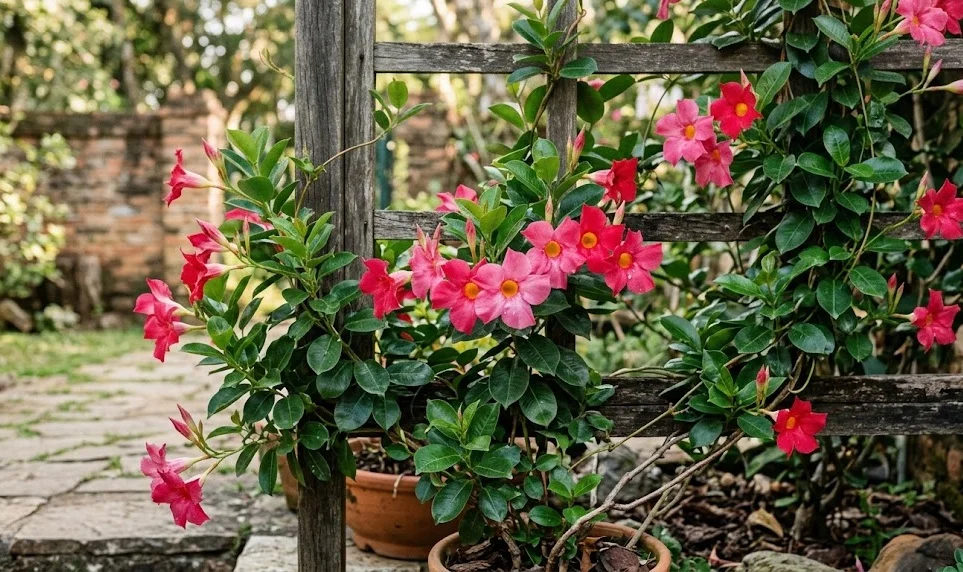

Maintaining a regular pruning schedule is essential for controlling the size and enhancing the flower production of this vine. Trimming the stems stimulates the development of new lateral branches, which carry the majority of seasonal blossoms. You must use the correct tools and execute your cuts at the precise time to avoid damaging the plant. Mastered pruning techniques keep your tropical climber looking tidy, compact, and full of life.
Selecting and preparing your pruning equipment is the first step toward a successful maintenance session. Always use sharp bypass pruners that make clean, precise cuts through the fibrous stems without crushing them. Dull blades can tear the tissue, creating jagged wounds that are highly susceptible to fungal infections. Sterilizing your tools with rubbing alcohol between plants prevents the accidental spread of systemic diseases.
The ideal timing for major structural pruning is in the late winter or very early spring. At this point, the plant is still dormant, meaning cuts will not bleed excessive sap or disrupt active growth. Pruning before new shoots emerge allows the vine to direct its spring energy into fresh, flower-bearing wood. Avoid heavy pruning in mid-summer, as you will accidentally remove developing flower buds.
Wearing protective gloves is highly recommended whenever you handle or trim these tropical vines. The stems contain a milky, latex-based sap that can irritate sensitive skin upon direct contact. This sticky sap can also gum up your pruners, making them difficult to operate smoothly over time. Washing your hands and tools promptly with warm, soapy water removes the residue easily after finishing.
Techniques for shaping and encouraging blooms
Understanding where the plant produces its flowers guides your pruning cuts for maximum visual impact. Flowers develop primarily on the fresh new growth generated during the current spring and summer seasons. Cutting back older, unproductive stems encourages the vine to push out a flush of vigorous new shoots. This response directly increases the total number of blooming sites available on the established plant structure.
More articles on this topic
Always make your cuts at a forty-five-degree angle roughly half a centimeter above a healthy leaf node. Cutting too close to the node can damage the dormant bud hiding in the leaf axil. Conversely, leaving a long stub above the node leads to unsightly dieback and invites rot pathogens. The angled cut allows moisture to shed away from the wound, promoting rapid healing.
Pinching the growing tips of young shoots is a gentle technique used to encourage a bushier habit. Use your fingers to remove the very end of a fresh stem during the early spring growth spurt. This action disrupts apical dominance, forcing the plant to activate lower lateral buds along the branch. Regular pinching creates a denser wall of foliage and a more compact container specimen.
Removing spent flowers and yellowing leaves throughout the summer keeps the vine looking pristine and healthy. This light maintenance pruning prevents the plant from wasting energy on seed production after blooming finishes. It also improves air circulation within the dense canopy, reducing the risk of powdery mildew outbreaks. Dedicated deadheading ensures a continuous supply of fresh blossoms until the cool autumn weather arrives.
Hard pruning for rejuvenation
Over time, an unpruned tropical vine can become excessively leggy, woody, and sparse at the base. If your plant has reached this unattractive state, a hard rejuvenation pruning may be necessary to restore it. This drastic measure involves cutting the main stems back significantly to force an entirely new structural framework. While it looks severe initially, the vine possesses remarkable regenerative capabilities when properly supported.
More articles on this topic
Execute hard pruning in late winter while the plant is fully dormant and resting indoors. You can safely cut the mature stems back to within fifteen to twenty centimeters of the soil surface. Ensure that at least two or three healthy nodes remain on each base stem to facilitate new growth. This intense intervention clears away years of accumulated dead wood and old, unproductive vine material.
Provide specialized care following a hard pruning session to support the plant’s upcoming spring recovery phase. Keep the substrate only lightly moist, as the defoliated plant consumes very little water without leaves. Place the container in a warm, bright location to stimulate the dormant buds hidden within the old bark. Avoid applying any fertilizer until you see the first true leaves unfold successfully.
The resulting spring growth will be exceptionally vigorous and require immediate guidance onto your trellis system. Train these fresh, productive shoots carefully to re-establish a beautifully balanced and filled-out climbing form. Rejuvenated plants often bloom more spectacularly than old, neglected vines that have become woody and spent. Hard pruning ensures your tropical climber remains a vibrant centerpiece in your garden for years.