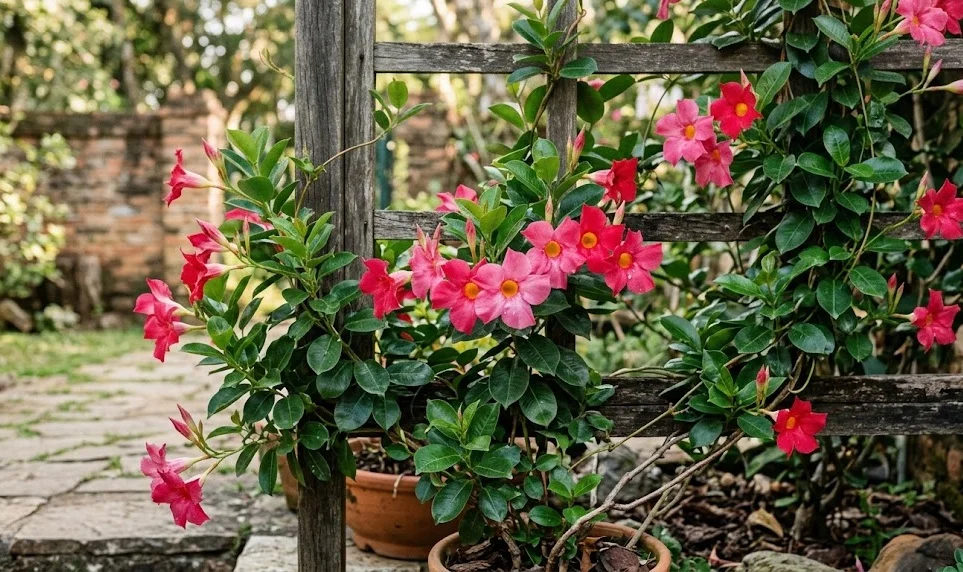

Providing the correct amount of light is the single most important factor for maximizing flower production. This tropical climber thrives in bright environments that fuel its intense metabolic and reproductive processes. Without sufficient illumination, the vine will focus its energy entirely on producing sparse green foliage rather than blossoms. Understanding these light preferences allows you to position the plant perfectly for a spectacular seasonal display.
Photosynthesis requires ample solar energy to generate the carbohydrates needed for continuous bud initiation. In their native habitats, these vines climb aggressively toward the jungle canopy to access direct sunlight. Mimicking this natural exposure in your garden ensures the plant develops a dense, compact form. Adequate light also intensifies the coloration of the trumpet-shaped flowers, making them appear more vibrant.
A location that receives at least six to eight hours of direct sunlight daily is ideal. Morning sun is particularly beneficial because it warms the plant quickly after cool night temperatures. The gentle morning rays stimulate active growth without the risk of scorching delicate leaf surfaces. Choosing a sun-drenched spot guarantees a non-stop parade of beautiful blooms from spring to autumn.
Insufficient light exposure leads to distinct morphological changes that indicate the plant is struggling. The stems will become elongated, weak, and leggy as they stretch desperately toward the nearest light source. The distance between leaf nodes increases significantly, resulting in a sparse and unattractive appearance. Recognizing these early signs of light deprivation allows you to relocate the container promptly.
Managing intense summer exposure
While these tropical vines love the sun, extreme afternoon heat can occasionally present challenges. In regions with exceptionally intense summer climates, peak midday sun can cause temporary stress to the foliage. The leaves may lose their glossy appearance, turn slightly pale, or develop dry, brown patches. Providing a little protection during the hottest hours can prevent this cosmetic damage effectively.
More articles on this topic
Utilizing filtered light or partial shade during the early afternoon offers an excellent compromise for hot areas. Positioning the plant near a deciduous tree provides a moving pattern of shade that protects it from the harshest rays. The vine still receives plenty of total daily energy while avoiding the peak thermal stress of mid-July. This balanced placement preserves leaf quality without sacrificing the overall abundance of summer flowers.
Increased light intensity always accelerates the plant’s water consumption and evaporation rates from the soil. You must monitor substrate moisture closely when the vine is grown in full, unshaded direct sunlight. A plant experiencing moisture stress is much more vulnerable to sun damage than a well-hydrated specimen. Ensuring consistent moisture levels helps the foliage withstand intense solar radiation without wilting or scorching.
Reflective surfaces near the planting site can also increase the total light and heat energy received. Light-colored walls or concrete patios can bounce intense sunlight back onto the vine from multiple angles. While this extra warmth can boost growth in cooler climates, it can overwhelm plants in already hot regions. Evaluating the surrounding hardscape helps you choose the safest and most effective position for your container.
Light adaptations for indoor cultivation
Moving the vine indoors for winter requires a thoughtful strategy to manage the drastic reduction in light. Indoor environments are significantly darker than even the cloudiest outdoor garden spaces during autumn. Placing the container near your brightest south-facing window is essential for helping the plant maintain its nutritional balance. This prime real estate maximizes the limited winter daylight hours available to the dormant vine.
More articles on this topic
If natural window light is limited, supplementing with artificial illumination becomes necessary for long-term health. High-output LED grow lights can provide the specific spectrum required to sustain tropical foliage through the dark months. Position the lights a few centimeters above the top leaves to maximize energy transfer without generating heat. Running the lights for ten to twelve hours daily simulates a natural tropical day length.
Rotating the container a quarter turn every week ensures that all sides receive equal light exposure. This practice prevents the vine from leaning awkwardly toward the window and developing a lopsided growth habit. Uniform lighting keeps the entire structural form balanced and prevents leaf drop on the shaded side of the plant. Regular adjustments maintain an attractive appearance throughout the long indoor winter season.
As spring approaches, the changing angle of the sun will naturally increase indoor light intensity. Watch for the emergence of fresh green shoots, which signal that the vine is ready to grow. Gradually moving the plant closer to the window prepares it for the eventual transition back outdoors. Understanding indoor light dynamics ensures your vine emerges from winter healthy and ready to bloom.