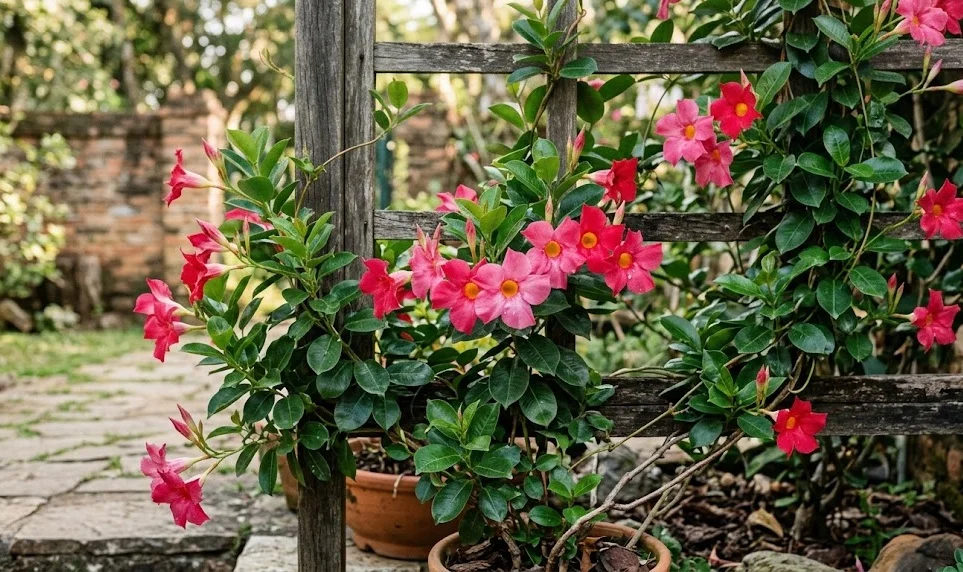

Caring for this magnificent tropical vine requires a dedicated understanding of its natural habitat and preferences. You must pay close attention to its daily environment to ensure it thrives continuously throughout the growing season. Proper management yields a spectacular display of vibrant trumpet-shaped flowers that enhance any garden space. Cultivating this plant successfully is a deeply rewarding experience for both novice and experienced gardeners alike.
Regular monitoring forms the cornerstone of an effective maintenance routine for these exotic plants. You should inspect the foliage frequently to assess its overall vitality and detect early signs of stress. New growth should appear bright green and vigorous under ideal environmental conditions. Consistent observations allow you to adjust your cultivation techniques before minor issues escalate into major problems.
Creating a stable microclimate is essential for promoting continuous blooming from spring until late autumn. These vines appreciate protection from harsh, desiccating winds that can damage delicate leaves and flower buds. Positioning them near a warm wall or within a sheltered patio provides excellent defense against sudden drafts. Providing a supportive environment encourages the plant to direct its energy into producing abundant blossoms.
Maintaining cleanliness around the cultivation area is another critical factor in long-term success. You should promptly remove fallen leaves and spent flowers from the soil surface to prevent decay. This practice reduces the risk of fungal pathogens establishing themselves in the surrounding debris. A clean growing environment ultimately fosters healthier root systems and more robust top growth.
Soil and environmental factors
The selection of an appropriate growing medium directly influences the vitality of your tropical vine. A well-draining, nutrient-rich substrate is vital for preventing waterlogged conditions that lead to root rot. Mixing standard potting soil with coarse sand or perlite creates an ideal physical structure. This combination ensures that oxygen reaches the roots while maintaining adequate moisture retention.
More articles on this topic
Soil acidity levels must be monitored to ensure optimal nutrient uptake by the root system. These plants prefer a slightly acidic to neutral pH range to process essential minerals effectively. If the soil becomes too alkaline, the foliage may begin to show signs of nutrient deficiencies. Regular testing helps you maintain the perfect chemical balance for sustained vegetative growth.
Ambient temperature plays a decisive role in regulating the growth cycle of this tropical species. It thrives in warm conditions and suffers significant damage when exposed to temperatures below ten degrees Celsius. High humidity levels further mimic its native environment, promoting lush foliage and larger flowers. You can mist the surrounding air during exceptionally dry summer days to enhance comfort.
Container size and material also affect how the plant interacts with its immediate environment. Terra cotta pots offer excellent breathability but cause the soil to dry out more rapidly than plastic alternatives. Choosing a container with adequate drainage holes is absolutely non-negotiable for protecting the root zone. Ensuring sufficient room for root expansion supports a larger and more stable aerial structure.
Managing seasonal transitions
Adapting your care routine as the seasons change ensures the plant remains resilient throughout the year. Spring marks the beginning of active growth, requiring increased attention to hydration and nutritional support. As daylight hours lengthen, the vine accelerates its metabolic processes and prepares for flowering. You must gradually transition the plant to outdoor conditions once the danger of frost has fully passed.
More articles on this topic
Summer requires the highest level of vigilance due to intense heat and prolonged sun exposure. You must monitor moisture levels daily to prevent the substrate from drying out completely. Providing temporary shade during the peak afternoon hours can protect the delicate petals from scorching. This period represents the peak of visual appeal, rewarding your diligence with non-stop floral displays.
Autumn signals a natural slowdown in the plant’s growth rate as temperatures begin to drop. You should gradually reduce watering frequency to help the vine prepare for its upcoming rest period. Ceasing the application of fertilizers prevents the formation of tender new growth that would be susceptible to cold. This transitional phase is crucial for ensuring a smooth entry into winter dormancy.
Winter care focuses entirely on preservation and survival within a protected indoor environment. The main goal is to keep the root system alive while minimizing active vegetative expenditure. Placing the vine in a cool, bright room allows it to rest without shedding all its foliage. Patience during these cold months sets the foundation for another spectacular performance next spring.
Supportive structures and training
Providing adequate physical support is necessary for managing the vigorous climbing habit of this vine. Without a proper trellis or stake, the stems will sprawl loosely and may break under their own weight. Installing a sturdy climbing structure early in the planting process prevents root disturbance later on. A well-supported plant can distribute its foliage more evenly to maximize light absorption.
Training the young shoots requires a gentle touch and regular attention during the early spring. You can guide the flexible stems around bamboo stakes or through wire mesh lattices manually. Secure them loosely with soft garden twine to avoid constricting the expanding vascular tissue. This proactive guidance creates an aesthetically pleasing shape and optimizes spatial efficiency in small gardens.
Vertical growth naturally encourages the plant to produce flowers at multiple heights rather than just at the tips. As the vine climbs, it develops lateral branches that carry additional flower buds. This structural arrangement creates a dense wall of color that serves as a beautiful focal point. Regular training ensures that all parts of the vine receive equal exposure to fresh air.
Inspecting the support mechanisms periodically prevents structural failures during stormy summer weather. Heavy rain and strong winds can put immense pressure on both the trellis and the attached vine. Reinforcing loose connections guarantees that your plant remains upright and undamaged throughout the season. Proper structural integrity safeguards the time and effort invested in cultivating these beautiful climbers.
Monitoring overall plant health
Evaluating the physical appearance of the leaves provides immediate insights into the internal state of the plant. Healthy specimens exhibit glossy, deep green foliage that feels firm to the touch. Any sudden yellowing or drop of older leaves warrants a closer look at your environmental parameters. Keeping a watchful eye allows you to intervene before visual symptoms become widespread.
Growth patterns offer another excellent diagnostic tool for measuring the success of your care routine. A sudden cessation of new shoot development during mid-summer indicates potential root restriction or nutrient depletion. Conversely, overly elongated stems with sparse foliage suggest that the plant is searching desperately for more light. Adjusting your cultivation strategy based on these clues restores natural equilibrium quickly.
Flower production is the ultimate indicator of a perfectly balanced and happy tropical vine. Prolific blooming demonstrates that the current combination of light, water, and nutrients is ideal. If buds form but drop prematurely, the plant is likely experiencing some form of environmental shock. Identifying the specific stressor allows you to implement corrective measures and rescue the remaining buds.
Documenting your observations in a gardening journal can reveal long-term trends and helpful patterns. Noting when the first flowers open helps you predict future performance and plan seasonal tasks. Comparing year-over-year progress enhances your understanding of this specific plant’s unique behavioral quirks. Continuous learning refines your skills and ensures increasingly spectacular results each successive year.
Nutrient and hydration optimization
Balancing moisture levels requires a thorough understanding of how the root system functions in different substrates. Overwatering restricts oxygen availability, leading to a rapid decline in root health and structural stability. On the other hand, severe drought causes wilted leaves and premature flower drop. Achieving a harmonious balance involves checking the upper soil layer before adding more water.
Nutritional supplementation must match the specific growth phase of the vine to avoid tissue damage. High-nitrogen fertilizers promote excessive leaf production at the expense of beautiful floral development. Utilizing a phosphorus-rich formula instead encourages the continuous initiation of strong, healthy flower buds. Diluting the nutrients appropriately prevents chemical burns to the sensitive root tips.
Environmental fluctuations alter the rate at which the plant consumes water and minerals daily. Hot, sunny days increase evaporation rates, necessitating more frequent hydration interventions to sustain turgor pressure. Cooler, overcast weather slows down transpiration, meaning the soil retains moisture for much longer periods. Observing these atmospheric shifts prevents you from adhering blindly to rigid, outdated schedules.
Flushes of fresh water can occasionally benefit the soil by washing away accumulated mineral salts. Fertilizer residues sometimes build up in the pot, causing leaf tips to turn brown and brittle. Running clear water through the container allows these harmful excesses to drain away completely. This simple maintenance task rejuvenates the root environment and restores optimal growing conditions.
Long term cultivation goals
Developing a multi-year strategy for your tropical vines ensures sustained beauty and impressive longevity. These plants can live for many years when provided with consistent care and proper winter protection. Planning for future repotting schedules prevents the root system from becoming chronically pot-bound. Establishing long-term goals helps you integrate these stunning climbers seamlessly into your landscape design.
Propagation efforts allow you to expand your collection without purchasing new specimens each season. Sharing successfully rooted cuttings with fellow gardening enthusiasts fosters a wonderful sense of community. This practice also provides insurance against the accidental loss of your primary parent plant over winter. Mastered techniques turn a personal hobby into a source of shared horticultural joy.
Aesthetic refinement involves experimenting with different display methods to maximize visual impact in the garden. You can grow the vines on obelisks, along porch railings, or within hanging baskets. Each configuration presents unique challenges and rewards regarding weight distribution and light access. Finding the perfect creative expression enhances the overall architectural dynamic of your outdoor space.
Ultimately, the journey of cultivating this species enhances your broader understanding of tropical botany. The lessons learned regarding humidity control, nutrition, and dormancy apply to many other exotic plants. Embracing the challenges of seasonal management transforms you into a more confident and capable horticulturist. Your garden becomes a testament to the rewarding nature of disciplined, attentive plant care.