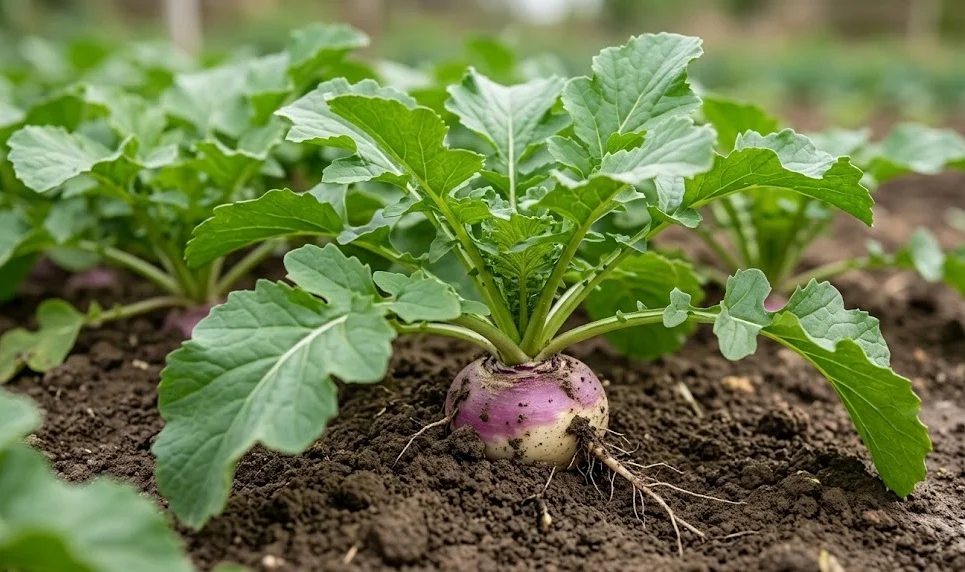

Protecting stubble turnips from the wide array of diseases and pests that target brassicas is a continuous challenge for the modern grower. These plants are often grown in late summer when many insect populations are at their peak and environmental conditions can favor fungal spread. You must be able to identify the early warning signs of an infestation or infection to prevent a total crop failure. A professional strategy relies on integrated pest management, which combines biological, cultural, and chemical controls to maintain a healthy and productive field.
Fungal diseases are a primary concern, especially when humidity is high and the canopy is dense enough to trap moisture against the leaves. You should be on the lookout for symptoms of downy mildew and alternaria leaf spot, which can quickly reduce the photosynthetic capacity of the plants. If these pathogens are left unchecked, they can spread through the entire stand, leading to stunted growth and poor root quality. Managing the microclimate of the field through proper spacing and drainage is your first line of defense against these invisible threats.
Insect pests can be equally devastating, often attacking the crop from the moment the first seedlings emerge from the soil. You must monitor for flea beetles, which can skeletonize young leaves in a matter of days, and root flies that damage the integrity of the swelling turnip. Larger pests like aphids and caterpillars can also cause significant physical damage and may act as vectors for various plant viruses. Understanding the life cycles of these pests allows you to time your interventions for maximum effect and minimum environmental impact.
Preventative measures are always more effective and less costly than trying to cure a widespread problem once it has established itself. You should prioritize crop rotation and the removal of volunteer brassicas from nearby fields to break the cycle of infection and infestation. By creating an environment that is less hospitable to pests and diseases, you reduce the overall pressure on your stubble turnips. This proactive approach is essential for maintaining the long-term health of your soil and the profitability of your agricultural operations.
Fungal pathogens and leaf diseases
Downy mildew is one of the most common fungal issues you will encounter, appearing as yellowish spots on the upper leaf surface with a fuzzy growth underneath. You should monitor the crop during periods of cool, damp weather when the spores are most active and able to spread through wind and rain splashes. This disease can weaken the plant and make it more susceptible to other stressors, ultimately reducing the overall yield and quality of the crop. Improving airflow through the stand is a critical cultural practice that helps keep the foliage dry and less prone to infection.
More articles on this topic
Clubroot is a much more serious soil-borne disease that affects the root system, causing distorted, swollen growths that prevent nutrient uptake. You should be extremely careful not to move infected soil between fields, as the spores can remain viable in the ground for many years. If you suspect clubroot, you may need to adjust your soil pH upward, as the fungus prefers more acidic conditions for its development. Resistant varieties are also an excellent tool for managing this persistent and destructive pathogen in areas where it is known to exist.
Alternaria leaf spot manifests as dark, concentric rings on the leaves and can eventually lead to premature defoliation if the infection is severe. You should ensure that your fertilization program is balanced, as plants under nutritional stress are often more susceptible to this particular fungus. Removing infected crop debris after harvest can help reduce the amount of inoculum that remains in the field for the following season. A combination of good hygiene and vigorous plant growth is often enough to keep alternaria from causing significant economic damage.
Powdery mildew can also be a problem during drier periods, coating the leaves in a white, flour-like substance that interferes with photosynthesis. You should watch for this disease as the days get shorter and the temperature fluctuates, creating the perfect conditions for its growth. While it may not kill the plant outright, it significantly reduces the energy available for root development and can affect the flavor of the harvested crop. Timely interventions and the selection of tolerant cultivars are the best ways to manage this common brassica ailment.
Insect pests and physical damage
Flea beetles are the most immediate threat to young stubble turnips, often appearing in large numbers as soon as the seedlings break the surface. You will see small, circular holes in the leaves, often referred to as “shot-holing,” which can quickly overwhelm a small plant. To manage these pests, you should aim for rapid early growth so the plants can reach a size where they can tolerate a small amount of feeding damage. In cases of severe infestation, targeted applications may be necessary to preserve the initial stand and ensure a successful crop.
More articles on this topic
The cabbage root fly is a more insidious pest that deposits its eggs at the base of the plant, leading to larvae that tunnel into the roots. You should monitor for wilting or a blueish tint to the leaves, which can indicate that the root system is being compromised by these underground feeders. Using physical barriers or specific biological controls can be effective in smaller-scale operations, while larger fields require careful monitoring of adult fly activity. Protecting the root integrity is vital if the turnips are intended for storage or human consumption.
Aphids are common vectors for viruses and can cause significant distortion of the leaves through their sap-sucking feeding habits. You should look for clusters of these small insects on the undersides of the leaves or in the protected crevices of the developing crown. Encouraging natural predators like ladybugs and lacewings is a highly effective way to keep aphid populations below the threshold where they cause damage. A healthy ecosystem within the field provides a natural balance that reduces the need for frequent chemical intervention.
Caterpillars from various moth and butterfly species can also graze heavily on the turnip foliage, leading to large-scale leaf loss if not managed. You should scout the field for egg clusters and early-stage larvae, which are much easier to control than larger, more mature caterpillars. Many biological insecticides are highly effective against these pests and have a minimal impact on beneficial insects and the surrounding environment. Keeping the canopy intact ensures that the plant has the energy it needs to produce a large and healthy root.
Viral diseases and their vectors
Viruses like turnip mosaic virus can cause stunted growth, mottled leaf patterns, and a general lack of vigor across the entire turnip population. You should understand that these diseases are often spread by aphids, making the management of insect vectors a key part of your viral defense strategy. Once a plant is infected with a virus, there is no cure, so the focus must remain entirely on prevention and early detection. Infected plants should be removed if possible to prevent the further spread of the disease to healthy neighbors.
The symptoms of a viral infection can sometimes be confused with nutrient deficiencies or environmental stress, so careful diagnosis is essential for the professional grower. You should look for characteristic patterns like vein clearing or systemic stunting that are common signs of viral activity within the plant tissues. If you have a history of viral issues in your area, choosing resistant varieties and managing the surrounding landscape to reduce alternative hosts is a wise move. A proactive approach to viral management protects the overall productivity and health of your agricultural system.
Landscape management is a critical component of viral control, as many viruses and their vectors overwinter in weeds and other nearby vegetation. You should maintain clean field borders and manage volunteer brassicas that can serve as a bridge for diseases between growing seasons. By breaking these ecological links, you significantly reduce the pressure on your current crop of stubble turnips. This high-level view of the farm environment is a hallmark of expert agricultural management that goes beyond the individual field.
The long-term impact of viral diseases can include reduced seed quality and a permanent decrease in the suitability of the field for certain crops. You should keep detailed records of any viral outbreaks to inform your future rotation and management decisions. Understanding the specific strains of viruses present on your land allows you to select the most appropriate defensive strategies and varieties for the future. Constant vigilance and a commitment to hygiene are the best defenses against the invisible threat of plant viruses.
Biological and cultural controls
Encouraging biodiversity within and around your turnip fields is a powerful cultural control that helps manage both pests and diseases naturally. You should consider planting companion species or maintaining flowering borders that provide habitat and food for beneficial insects. These natural allies, such as parasitic wasps and predatory beetles, can do much of the work of pest management for you at no additional cost. A healthy, diverse farm environment is inherently more resilient and less prone to the explosive pest outbreaks seen in monocultures.
Crop rotation is perhaps the most important cultural tool you have for breaking the life cycles of soil-borne pathogens and specialized pests. You should avoid planting stubble turnips in the same ground where other brassicas have been grown in the last three to four years. This simple practice significantly reduces the buildup of specific diseases like clubroot and the population of pests like the cabbage root fly. A well-planned rotation is a fundamental requirement for the sustainable and professional cultivation of any crop.
Sanitation and the management of crop residues are also vital for keeping the field healthy and free from recurring issues. You should ensure that any diseased material is removed or deeply incorporated into the soil to accelerate its decomposition and the destruction of pathogens. Tools and machinery should be cleaned when moving between fields to prevent the accidental transfer of contaminated soil or infested debris. These small acts of hygiene are the foundation of a professional biosecurity plan for your agricultural operations.
Monitoring tools like pheromone traps and sticky cards can provide you with objective data on pest activity levels throughout the season. You should use this information to determine when the “economic threshold” has been reached, justifying the use of more intensive management actions. By relying on data rather than intuition, you can ensure that your interventions are both necessary and effective. This sophisticated approach to pest management maximizes the health of the crop while minimizing unnecessary costs and environmental impact.
Integrated pest management strategy
A truly professional integrated pest management (IPM) strategy brings together all the tools at your disposal into a single, cohesive plan for the season. You should begin the year with a clear assessment of the risks based on previous field history and current environmental conditions. This allows you to choose the right varieties, plan your rotation, and prepare your preventative measures before the first seed even touches the ground. A good plan is flexible enough to adapt to unexpected challenges while keeping the overall goal of a healthy crop in sight.
Communication and continuous learning are essential for staying ahead of the evolving threats posed by pests and diseases. You should stay informed about new research, emerging threats in your region, and the latest developments in biological and chemical control options. Sharing experiences with other growers and consulting with agricultural experts can provide you with new perspectives and techniques for managing your crop. Expertise is not a destination but a process of constant refinement and adaptation to the changing agricultural landscape.
Sustainability should be a core consideration of your IPM strategy, ensuring that your management practices do not compromise the future health of your land. You should prioritize the least toxic options whenever possible and always follow best practices for the application and disposal of any chemical treatments. By protecting the soil microbial community and beneficial insects, you build a foundation of natural resilience that makes your job easier over time. A professional grower is a steward of the land as much as a producer of high-quality crops.
When the season comes to a close, you should evaluate the success of your pest and disease management efforts and identify areas for improvement. Did your rotation work as expected? Were your monitoring techniques accurate? What could be done differently next year to reduce the pressure on the crop? This reflection ensures that every season contributes to your deep expertise and the continued success of your farming operation. Protecting stubble turnips is a complex task, but with the right approach, it is one that yields excellent rewards.