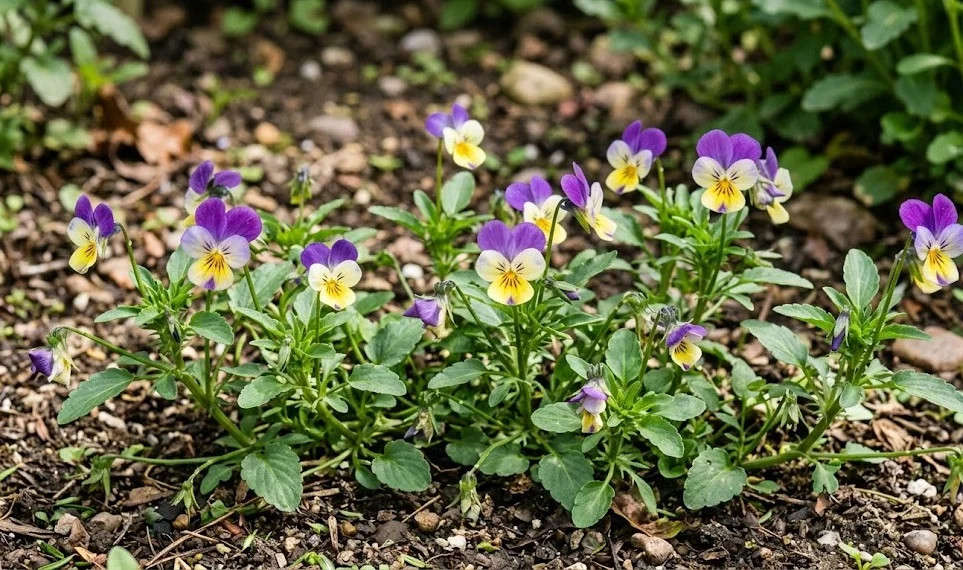

Protecting the wild pansy from diseases and pests is a constant challenge that requires a proactive and informed approach. Because these plants often grow in cool, damp conditions, they are particularly susceptible to a variety of fungal and bacterial pathogens. Additionally, the tender leaves and nectar-rich flowers act as a magnet for several common garden insects. A successful gardener must be able to recognize the early symptoms of distress to prevent a localized issue from becoming a garden-wide epidemic.
Fungal infections are among the most common problems you will encounter when growing this species in a traditional garden setting. High humidity and poor air circulation create the perfect environment for spores to germinate and spread across the foliage. You might notice fuzzy gray patches, orange rust spots, or white powdery coatings appearing on the leaves during damp spells. Timely intervention and environmental adjustments are the most effective ways to manage these persistent biological threats.
Pests, on the other hand, are often more mobile and can appear suddenly when weather conditions favor their reproduction. Aphids, slugs, and spider mites are the primary culprits that feed on the vital juices and tissues of the pansy. Their presence is often indicated by distorted growth, small holes in the petals, or sticky residue left behind on the stems. Developing a systematic checking routine allows you to catch these invaders before they cause irreversible structural damage to your plants.
The overall health of the plant is its first line of defense against any biological attack from the outside world. Plants that are stressed by drought, poor nutrition, or incorrect lighting are much more likely to succumb to illness. By maintaining optimal growing conditions, you are effectively strengthening the plant’s natural immune system and resilience. Integrated pest management involves looking at the whole garden as a balanced system where prevention is always preferred over cure.
Common fungal pathogens
Powdery mildew is a frequent visitor in gardens where the air is stagnant and the nights are relatively cool. It appears as a white, flour-like dusting on the surface of the leaves, which eventually leads to yellowing and premature leaf drop. While it rarely kills the plant outright, it significantly reduces the aesthetic value and weakens the pansy’s overall vigor. Improving spacing between plants and watering only at the base can help keep this fungus at bay.
More articles on this topic
Downy mildew is a more serious relative that thrives in even wetter conditions and can cause rapid decline. Unlike the powdery version, this pathogen often creates yellow patches on the top of the leaves and a fuzzy purple or gray growth underneath. If left untreated, the infected tissue will turn brown and die, potentially spreading to every plant in the vicinity. Affected plants should be removed and destroyed immediately to stop the cycle of infection within the garden bed.
Botrytis, or gray mold, is another fungal threat that specifically targets the flowers and the soft stems of the wild pansy. It usually starts on aging blossoms and quickly moves into the healthy parts of the plant during periods of high rain. You will see a characteristic fuzzy gray mold that causes the tissues to turn soft and mushy in a very short time. Regular deadheading and the removal of any decaying organic matter from the soil surface are key preventive measures.
Rust is a fungus that manifests as small, orange or reddish-brown pustules on the undersides of the leaves. These pustules release thousands of tiny spores that are carried by the wind to neighboring plants in the garden. Infected leaves may eventually curl and fall off as the fungus siphons away the plant’s essential nutrients. Using resistant varieties and avoiding overhead irrigation are the best ways to manage rust in a professional horticultural setting.
Insect pests and their management
Aphids are perhaps the most widespread insect pest, often clustering on the tender new growth and the undersides of leaves. These tiny, soft-bodied insects suck the sap from the plant, causing the leaves to twist and the flowers to become stunted. They also excrete a sticky substance called honeydew, which can lead to the growth of unsightly black sooty mold. A strong blast of water from a hose can often dislodge them, but persistent infestations may require organic insecticidal soap.
More articles on this topic
Slugs and snails are notorious for their ability to devour a beautiful pansy display in a single damp night. They leave behind tell-tale slime trails and large, ragged holes in both the foliage and the delicate flower petals. These nocturnal pests hide under mulch or stones during the day and emerge when the sun goes down to feed. Using barriers like copper tape or crushed eggshells can help protect your most valuable plants from these persistent mollusks.
Spider mites are microscopic pests that thrive in hot, dry conditions where the air is still and the soil is dusty. They spin fine webs between the leaves and cause a characteristic “stippling” or pale spotting on the foliage surface. Because they are so small, you might not notice them until the plant begins to look bronzed or severely dehydrated. Increasing the local humidity and ensuring consistent watering can make the environment much less hospitable for these tiny arachnids.
Thrips are tiny, slender insects that feed by puncturing the cells of the flowers and leaves to suck out the contents. This feeding behavior results in silver or white streaks on the petals and can cause the buds to fail to open properly. Thrips are often hard to see because they hide deep within the flower structure or between the folds of new leaves. Blue or yellow sticky traps placed around the garden can help you monitor their population levels throughout the growing season.
Preventive measures and hygiene
The foundation of a healthy garden is cleanliness and the systematic removal of potential sources of infection. Always start with sterile soil and clean containers to ensure that you aren’t introducing pathogens from previous seasons. If a plant shows clear signs of a viral or systemic bacterial infection, it should be removed and disposed of in the trash, not the compost pile. Keeping your gardening tools clean with a simple alcohol solution prevents the cross-contamination of diseases between different areas.
Proper spacing is a vital but often ignored component of disease prevention in high-density flower beds. Each wild pansy needs enough room for air to flow freely around its stems and leaves, which helps moisture evaporate quickly. Crowded plants create a stagnant microclimate that acts as an incubator for fungal spores and bacterial growth. Following the recommended spacing guidelines on the plant tag is a simple way to avoid many common health issues.
Watering technique plays a massive role in the development of soil-borne and leaf-surface diseases over the long term. Aim the water directly at the base of the plant and avoid splashing soil onto the lower leaves as much as possible. Mulching the area with clean straw or bark can provide a physical barrier that prevents spores in the soil from reaching the foliage. Watering in the morning ensures that any moisture that does get on the plant will dry out before the sun sets.
Maintaining a balanced nutrient profile keeps the plant’s cell walls strong and its natural defenses active. Excessive nitrogen can lead to soft, succulent growth that is much easier for insects to pierce and for fungi to invade. A plant that is growing at a natural, steady pace is far more capable of healing itself from minor injuries. Regular observation and small adjustments to the environment are much more effective than relying on chemical interventions after a problem starts.
Biological and organic control methods
Encouraging natural predators is one of the most effective and sustainable ways to keep pest populations under control. Ladybugs, lacewings, and hoverflies are all voracious consumers of aphids and other small, soft-bodied insects. You can attract these beneficial bugs by planting a variety of flowering herbs and native plants nearby in your garden landscape. Avoiding broad-spectrum pesticides is essential for maintaining a healthy population of these “garden helpers” year-round.
Neem oil is a versatile organic treatment that works as both an insecticide and a fungicide for many common pansy problems. It is derived from the seeds of the neem tree and works by disrupting the life cycle of pests while being relatively safe for humans. It can be used to treat powdery mildew as well as infestations of aphids and spider mites when applied correctly. Always test a small area of the plant first to ensure there is no adverse reaction to the oil.
Bacillus thuringiensis, commonly known as Bt, is a naturally occurring bacterium that can be used to control leaf-eating caterpillars. It is highly specific and does not harm beneficial insects, birds, or mammals when used according to the label. If you notice small green worms munching on your pansies, a light application of Bt can solve the problem quickly. This biological approach is a staple of professional organic gardening and large-scale agricultural production alike.
Home-made remedies like milk sprays or baking soda solutions can also be surprisingly effective for managing mild fungal issues. A mixture of one part milk to nine parts water has been shown to reduce the spread of powdery mildew on various plant species. These options are inexpensive, safe, and allow you to take action immediately without needing a trip to the garden center. Experimenting with these low-impact methods helps you build a more integrated and ecologically sound care routine.
Recovery and post-stress care
Once a disease or pest issue has been brought under control, the focus must shift to helping the plant recover its strength. Pruning away the most damaged leaves and flowers allows the plant to redirect its energy toward healthy new growth. Be careful not to take too much foliage at once, as the plant still needs leaves to produce energy through photosynthesis. Provide a gentle, diluted liquid feed to support the rapid development of replacement stems and blossoms.
Monitoring the plant more closely during the recovery phase is essential to ensure that the problem does not return. Pests and diseases often have multiple life cycles, so a second wave could appear just as the plant seems to be improving. Keep the soil consistently moist but never soggy, as a recovering root system is particularly vulnerable to rot. A little extra attention during this time can make the difference between a full recovery and a slow decline.
Improving the environment is often necessary to prevent the same issue from occurring again in the future. If a plant suffered from mildew, consider thinning out surrounding vegetation or moving the pansy to a more open location. If slugs were the problem, rethink your mulching strategy or set up more permanent barriers around the flower bed. Learning from every challenge is what makes a gardener more skilled and their garden more beautiful over time.
Finally, accept that some plants may be too far gone to save and that starting fresh is sometimes the best option. A heavily diseased plant can serve as a reservoir for pathogens that might eventually infect your entire collection. It is better to have a small gap in your display than to risk the health of all your other flowers. Agriculture and horticulture are as much about making tough decisions as they are about nurturing life in the soil.