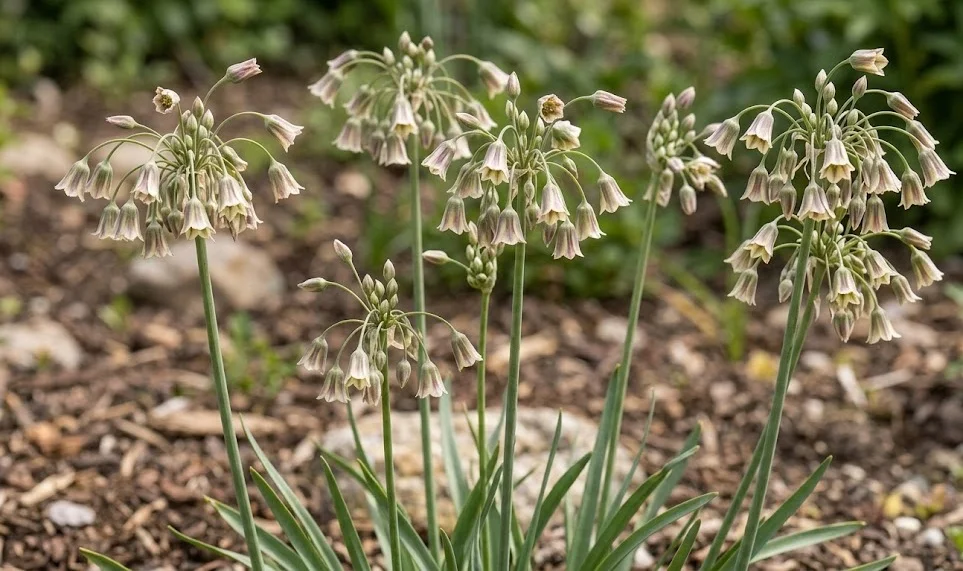

The care of Bulgarian honey garlic requires a nuanced understanding of its Mediterranean origins and its unique growth cycle. This ornamental plant is prized for its bell-shaped flowers that dangle gracefully from tall, sturdy stems during the late spring. To ensure the health of these bulbs, a gardener must provide the right environmental conditions from the moment they are placed in the soil. Maintaining a balance between neglect and over-attention is often the key to seeing these stunning perennials thrive year after year.
Finding the perfect spot in the garden is the first step toward successful cultivation. These plants prefer a sunny location where the soil remains well-drained even after heavy rainfall. If the area is too damp, the bulbs are at risk of rotting before they can even sprout. Professional landscapers often suggest planting them among lower-growing perennials that can hide the garlic’s foliage as it begins to yellow.
Soil quality plays a significant role in the overall vigor of the plant during the growing season. A loose, loamy soil enriched with organic matter provides the necessary nutrients for robust flower production. You should avoid heavy clay soils that trap moisture and restrict root expansion. If your garden has heavy soil, incorporating grit or sand can significantly improve the drainage and aeration.
Once established, the Bulgarian honey garlic is remarkably resilient and requires minimal intervention. It is a plant that truly rewards patience, as it may take a season to fully settle into its new home. Regular monitoring for any signs of stress, such as stunted growth, can help you address issues early. By following these basic principles, you can enjoy the architectural beauty of these flowers with very little effort.
Understanding the growth cycle
The growth cycle of this species begins in early spring when the first green shoots emerge from the soil. These initial leaves are quite narrow and can easily be mistaken for common garden weeds if you are not careful. It is important to mark the planting site clearly in the autumn to avoid accidental damage during spring cleanup. As the weather warms, the central flower spike begins its rapid ascent toward the sky.
More articles on this topic
The flowering period typically occurs in late May or June, offering a unique visual display. During this time, the papery sheath covering the buds will split open to reveal the nodding florets. Each individual flower is a masterpiece of cream, green, and burgundy hues that attract various pollinators. Once the blooms fade, the plant shifts its energy back down into the bulb for the following year.
The senescence of the foliage is a natural and necessary part of the plant’s life stages. After the flowering is finished, the leaves will gradually turn yellow and then brown as they die back. This process allows the bulb to store essential sugars and nutrients for the next dormant period. Resist the urge to cut the leaves off while they are still green, as this weakens the bulb.
During the dormant phase in late summer, the plant remains completely hidden beneath the ground. This is the time when the bulbs are most vulnerable to excessive moisture or physical disturbance. Gardeners should avoid overwatering the area where the bulbs are buried during July and August. Respecting this period of rest is vital for the long-term longevity of the colony.
Optimal soil composition
The ideal soil for these bulbs is one that mimics the rocky, well-drained hillsides of their native habitat. High-quality garden loam that has been mixed with a bit of composted bark or leaf mold works exceptionally well. This mixture provides a stable structure that supports the tall stems while allowing roots to breathe. Professional growers often test the soil pH to ensure it falls within a neutral to slightly alkaline range.
More articles on this topic
Drainage is arguably the most critical factor when preparing the ground for Bulgarian honey garlic. If the soil remains saturated for extended periods, the internal tissues of the bulb will quickly break down. You can test the drainage by digging a small hole and filling it with water to see how fast it disappears. If the water lingers for hours, consider raising the planting bed or adding significant amounts of inorganic grit.
Nutrient availability should be consistent but not overly aggressive during the initial planting phase. While some organic matter is beneficial, an overabundance of nitrogen can lead to lush leaf growth at the expense of flowers. A balanced approach ensures that the plant develops a strong root system and a sturdy flower stalk. Many experts recommend adding a handful of bone meal to the bottom of the planting hole.
Long-term soil health is maintained by occasional top-dressing with light mulch or fine compost. This practice helps to regulate soil temperature and prevents the surface from crusting over. Over the years, the soil structure may settle, so adding a thin layer of organic material each autumn is helpful. This gentle replenishment mimics the natural cycle of forest floors and meadows.
Managing the garden environment
The environment surrounding your Bulgarian honey garlic can greatly influence its susceptibility to local climate extremes. While they are hardy in many regions, they appreciate a site that is protected from the strongest winds. The tall flower stems, though surprisingly flexible, can be bent or snapped by sudden gusts if they are completely exposed. Using taller shrubs or a garden fence as a windbreak is a common professional strategy.
Competition from nearby plants should be managed to ensure the garlic has enough space to expand. While they look beautiful when massed together, overcrowding can limit airflow and increase the risk of fungal issues. Space the bulbs appropriately during planting to allow for the natural clumping that will occur over time. This foresight prevents the need for frequent lifting and dividing of the bulbs.
Temperature fluctuations in the early spring can sometimes trick the bulbs into emerging too early. If a sudden hard frost is predicted after the shoots have appeared, a temporary covering of straw can provide protection. Most of the time, however, the foliage is tough enough to withstand light frosts without permanent damage. Understanding your local microclimate will help you decide when intervention is truly necessary.
The aesthetic environment of the garden is enhanced when these plants are used as vertical accents. Their height makes them perfect for the middle or back of a perennial border. Because the foliage dies back early, pairing them with late-emerging plants like hostas or ferns is a brilliant design choice. This ensures that the garden bed remains full and vibrant throughout the entire summer season.
Seasonal maintenance tasks
Spring maintenance involves clearing away any debris that may have accumulated over the bulbs during the winter. Gently raking the soil surface helps to aerate the top layer and encourages the new shoots to break through. You should be careful not to dig too deeply, as the emerging tips are quite tender and easily broken. This is also a good time to check for any signs of early-season pests.
As the flower stalks begin to rise, you might find that some individual plants benefit from light support. While they are generally self-supporting, exceptionally tall specimens in shady areas may lean toward the light. A simple thin bamboo stake and a loose tie can keep the blossoms upright and visible. Ensure the tie is not too tight, as the stem will continue to thicken slightly.
Summer care is mostly focused on allowing the plant to complete its natural cycle undisturbed. Once the flowers have lost their color, you can choose to leave the seed heads for architectural interest. The dried stalks have a unique beauty and can persist well into the autumn months. If you prefer a tidier look, you can remove the stalks once they have completely dried out.
Autumn preparation involves a light cleaning of the area and perhaps a fresh layer of mulch. This is also the best time of year to relocate any bulbs that were planted in suboptimal locations. Moving them while they are dormant is the least stressful way to change your garden layout. Always handle the bulbs with care to avoid bruising the delicate outer scales.
Encouraging biodiversity
Bulgarian honey garlic is an excellent choice for gardeners who want to support local wildlife and pollinators. The nectar-rich flowers are a favorite of bees, who can often be seen crawling deep into the bells. By planting these bulbs, you are providing a vital food source during the transition from spring to summer. This increase in insect activity can lead to a healthier and more balanced garden ecosystem.
Birds occasionally visit the garden to inspect the seed heads once they have matured in the late summer. While they may not eat the seeds themselves, the structure of the plant provides a perch and hunting ground. The presence of these tall stalks adds a layer of complexity to the garden’s physical environment. Creating these multi-layered habitats is a hallmark of ecological gardening practices.
Beneath the soil, the presence of these bulbs contributes to a diverse underground community of beneficial organisms. The root systems interact with soil fungi and bacteria in ways that improve overall soil health. Avoiding the use of harsh synthetic chemicals helps to protect these invisible but essential garden helpers. A natural approach to care ensures that the entire garden remains a thriving environment.
Integrating these plants into a diverse meadow or cottage-style garden maximizes their ecological value. They pair perfectly with other nectar-producing flowers, creating a continuous buffet for beneficial insects. When you observe the variety of life that visits these flowers, you realize their importance beyond simple decoration. They are a functional part of a living, breathing landscape.
Long term garden integration
Integrating Bulgarian honey garlic into a long-term landscape plan requires thinking about how the garden will evolve. These bulbs are long-lived and will gradually form impressive clumps that produce more flowers each year. You should consider where you want these focal points to be ten years from now. Placing them near permanent structures or large stones can provide a sense of permanence and scale.
The visual impact of these plants is most effective when they are planted in groups of at least five to seven. A single stem can look lonely, but a cluster creates a cloud of nodding bells that is truly captivating. Plan your garden drifts so that they lead the eye through the space and create a sense of rhythm. This rhythmic planting is a sophisticated technique used by professional garden designers.
As the years go by, you may find that the bulbs have multiplied to the point where they are slightly crowded. This is a natural progression and a sign of a healthy and well-sited plant. Dividing the clumps every four or five years can rejuvenate the plants and give you more bulbs to share. Sharing plants with neighbors is one of the most rewarding aspects of being a gardener.
Ultimately, the care of Bulgarian honey garlic is about fostering a relationship with a unique and beautiful species. It teaches the gardener about the importance of timing, drainage, and the beauty of decay. By providing for its few specific needs, you are rewarded with a yearly display of botanical wonder. These plants quickly become a favorite highlight of the spring garden for anyone who grows them.