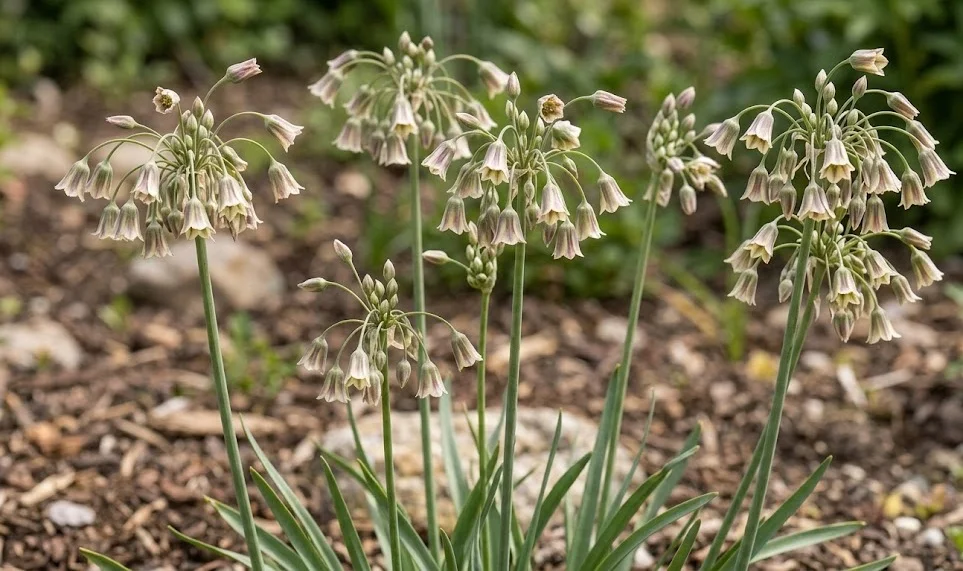

The diseases and pests of Bulgarian honey garlic are relatively few, as this plant possesses natural defenses common to the Allium family. However, even the most resilient plants can fall victim to specific environmental stresses or localized outbreaks of garden pests. Identifying these problems early is the key to preventing them from spreading to the rest of your ornamental collection. By maintaining a clean garden environment and following professional care practices, you can minimize the risk of damage to these beautiful spring bulbs.
Fungal diseases are the most common health issues faced by Bulgarian honey garlic, especially during damp and cool spring weather. Gray mold, also known as Botrytis, can sometimes affect the foliage and flower buds if the air circulation is poor. This fungus appears as a fuzzy gray coating that can cause the affected tissues to soften and collapse. To prevent this, you should ensure that your plants are spaced correctly and that you avoid watering the leaves directly.
Bulb rot is another significant concern that usually stems from overly wet soil conditions rather than a specific pathogen. When the soil remains saturated, the internal tissues of the bulb begin to ferment and break down, often accompanied by a foul odor. This condition is difficult to treat once it has started, making prevention through excellent drainage the only effective strategy. If you notice a plant failing to emerge in the spring, it is often a sign that the bulb has rotted underground.
Rust is a fungal infection that manifests as small, orange or brownish pustules on the leaves of various Allium species. While Bulgarian honey garlic is somewhat resistant, it can still be affected during particularly humid seasons. Affected leaves may eventually turn yellow and die back prematurely, which weakens the bulb over time. Removing and destroying any infected foliage as soon as you see it can help to stop the spores from spreading to neighboring plants.
Downy mildew can also appear on the leaves as a pale, velvety growth during periods of high humidity and moderate temperatures. This disease can cause the leaves to distort and eventually wither, reducing the plant’s ability to photosynthesize. Improving the light exposure and reducing any overhead irrigation are the best ways to manage this issue. Most of these fungal problems are environmental, meaning that changing the garden’s conditions is more effective than using chemical sprays.
More articles on this topic
Common insect pests
The pungent scent of Bulgarian honey garlic acts as a natural deterrent for many common garden pests, including deer and rabbits. However, some insects are specifically adapted to feed on members of the onion and garlic family. The onion fly is one such pest whose larvae can tunnel into the bulbs and cause significant internal damage. If you notice a sudden wilting of the foliage that cannot be explained by dry soil, you should investigate the base of the plant for larvae.
Thrips are tiny, slender insects that can occasionally infest the flower bells and cause silvering or distortion of the petals. They feed by piercing the plant cells and sucking out the contents, which can leave the flowers looking mottled and unhealthy. Because they are so small, they are often difficult to see with the naked eye until the damage is already done. Using yellow sticky traps or a gentle spray of water can help to reduce their numbers without harming beneficial insects.
Slugs and snails can be a nuisance in the early spring when the tender new shoots are first emerging from the soil. They are particularly active during damp nights and can quickly chew large holes in the developing leaves. Using organic slug pellets or physical barriers like copper tape can protect your plants during this vulnerable stage. As the foliage matures and becomes tougher, it usually becomes much less attractive to these slimy garden visitors.
Aphids may sometimes gather on the succulent flower stalks, particularly near the top where the tissues are most tender. These small insects reproduce quickly and can cause the stems to become sticky with honeydew, which may then grow black sooty mold. A strong blast of water from a garden hose is often enough to dislodge them and keep their population under control. Encouraging natural predators like ladybugs and lacewings in your garden provides a long-term solution to aphid problems.
More articles on this topic
Environmental stressors
Sometimes, what looks like a disease is actually a physiological response to environmental stress or poor site selection. Leaf tip burn is a common issue that occurs when the plant is exposed to drying winds or inconsistent soil moisture. This is not a pathogen but rather a sign that the plant cannot transport water to its furthest extremities quickly enough. Providing a windbreak and maintaining even moisture levels can prevent this unsightly browning of the leaf tips.
Sunscald can occur if a period of very intense sunlight follows a long stretch of cloudy, wet weather. The sudden change in light intensity can damage the outer cells of the leaves, resulting in bleached or papery patches. This is usually a cosmetic issue that does not permanently harm the health of the bulb. As the plant adjusts to the brighter conditions, the new growth should appear healthy and resilient.
Nutrient toxicities can also cause symptoms that mimic viral or fungal infections, such as distorted growth or unusual leaf colors. For example, an excess of certain micronutrients can interfere with the plant’s ability to take up water and other essential elements. This is why it is important to follow fertilizer instructions carefully and avoid over-applying concentrated products. A balanced soil environment is always the best defense against these types of physiological disorders.
Compacted soil can restrict root growth and prevent the plant from accessing the oxygen it needs to thrive. When roots are struggling, the entire plant will appear weak, with smaller flowers and thin, spindly stems. Aerating the soil around the bulbs and incorporating organic matter can help to alleviate this stress. Giving the roots plenty of space and air is just as important as providing them with water and food.
Preventative measures
The best way to manage pests and diseases is to prevent them from ever gaining a foothold in your garden. This starts with sourcing your bulbs from reputable nurseries that guarantee their stock is free from known pathogens. Inspect every bulb before planting and discard any that show signs of mold, soft spots, or unusual discoloration. Starting with healthy, vigorous material is the foundation of a disease-free garden bed.
Maintaining excellent garden hygiene throughout the year significantly reduces the risk of future outbreaks. Clear away fallen leaves and spent flower stalks in the autumn to prevent pests from overwintering in the debris. If you have had issues with fungal diseases, avoid composting the affected plant material, as some spores can survive the composting process. Keeping the soil surface clean and well-aerated creates an environment that is less hospitable to pathogens.
Rotating your plantings is a professional technique that can help to break the life cycles of soil-borne pests and diseases. If you have grown Alliums in the same spot for many years, consider moving them to a new location for a few seasons. This prevents the buildup of specific pathogens that target this family of plants. Even a small shift in location within the garden can make a noticeable difference in plant health and vigor.
Supporting the overall health of your plants through proper watering and fertilization makes them much more resistant to attacks. A stressed plant is always more likely to be targeted by insects or infected by fungi than a thriving one. By paying close attention to the light, water, and nutrient needs of your Bulgarian honey garlic, you are building its natural immunity. A proactive approach to care is always more effective than a reactive one.
Integrated pest management
Integrated Pest Management, or IPM, is a professional strategy that combines multiple techniques to manage garden problems with minimal environmental impact. This approach prioritizes mechanical and biological controls over the use of harsh synthetic chemicals. For example, hand-picking larger pests or using pheromone traps are effective ways to reduce populations without harming pollinators. It is about working with the natural ecosystem of your garden rather than trying to dominate it.
Encouraging biodiversity in your garden provides a natural check and balance for potential pest outbreaks. Birds, frogs, and predatory insects all play a role in keeping the populations of harmful insects at a manageable level. By providing a habitat for these beneficial creatures, you are creating a self-regulating garden environment. This ecological balance is one of the most rewarding aspects of long-term garden management.
If a chemical intervention becomes absolutely necessary, always choose the least toxic option available, such as insecticidal soap or neem oil. These products are effective against many common pests but have a much lower impact on the surrounding environment and beneficial insects. Always read the label carefully and apply the product during the early morning or late evening when bees are less active. Targeted applications are always better than broad-spectrum sprays.
Regular monitoring is the most important component of any successful integrated pest management plan. Spend a few minutes each week walking through your garden and looking closely at your plants for any changes. Catching a problem when it is limited to a single leaf or plant is much easier than dealing with a garden-wide infestation. Your eyes and your attention are the most powerful tools you have for maintaining a healthy and beautiful landscape.