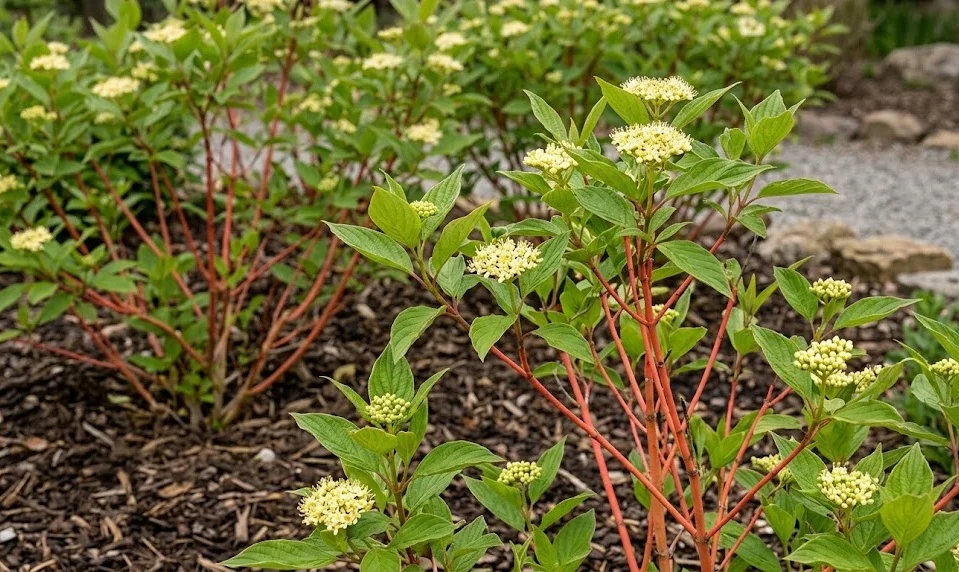

Preparing your Siberian dogwood for the winter is a straightforward process because of its natural hardiness and resilience. You should view the cold months not as a threat, but as the time when this shrub truly comes into its own aesthetically. Proper preparation ensures that the plant remains healthy and that its vibrant red stems provide the best possible visual impact. Following these professional tips will help you manage the transition into the dormant season with confidence.
The Siberian dogwood is exceptionally cold-tolerant, often surviving temperatures well below freezing without any significant damage. You should not worry about the plant’s survival in most temperate climates, as it is built for these conditions. However, the goal of overwintering is not just survival, but maintaining the plant’s vigor for the following spring. A little bit of late-season attention can make a big difference in how the plant performs once the snow melts.
Hydration is a key factor in successful overwintering that many gardeners often overlook once the weather turns cold. You should ensure the plant is well-watered throughout the autumn until the ground actually freezes solid. Evergreens are more susceptible to winter desiccation, but deciduous shrubs like the dogwood still need moisture in their tissues. Entering the winter with a full “tank” of water helps the plant withstand the drying effects of cold winds.
Mulching provides a final layer of protection for the root system during the harshest part of the year. You should check the depth of your mulch in late autumn and add more if the layer has become thin. A good layer of bark or wood chips acts as insulation, preventing the ground from freezing and thawing repeatedly. This stability is very beneficial for the roots, as it prevents them from being “heaved” out of the soil by ice.
Winter hardiness and expectations
Understanding the natural limits of your shrub will help you set realistic expectations for the winter season. You should know that the Siberian dogwood is rated for very cold zones, making it one of the toughest ornamentals available. It can handle heavy snow loads and icy conditions that would break the branches of more delicate plants. This toughness is what makes it such a valuable asset for gardens in northern or high-altitude regions.
More articles on this topic
The red color of the stems actually becomes more intense as the temperatures drop and the plant enters full dormancy. You will notice that the brightest color is found on the stems that grew during the previous summer. Older wood tends to turn a duller, more brownish color over time, which is why regular pruning is so important. Enjoying this natural transformation is one of the highlights of growing this particular variety.
Wildlife may become more of a concern during the winter when other food sources become scarce in the landscape. You should be prepared for rabbits or deer to potentially nibble on the stems of your dogwood. While a large shrub can handle some browsing, a young plant might need a simple wire cage for protection. Checking for signs of animal damage after a snowfall is a good habit for any professional gardener.
Heavy snow can sometimes bend the flexible branches of the dogwood all the way to the ground. You should generally leave the snow alone unless you see that a branch is in immediate danger of snapping. The branches are quite resilient and will usually pop back into place once the snow melts away. If you must remove snow, do it gently with a broom, brushing upward to avoid putting more pressure on the wood.
Protective measures for exposed sites
If your garden is in a particularly windy or exposed location, you might need to take a few extra precautions. You could install a temporary burlap screen on the windward side of the shrub to block the harshest gusts. This prevents the stems from drying out too much, which can sometimes lead to dieback at the tips. A little bit of shelter can go a long way in preserving the ornamental quality of the red bark.
More articles on this topic
Container-grown dogwoods require much more attention during the winter than those planted in the ground. You should move pots to a sheltered spot, such as against a house wall or inside an unheated garage. The roots in a container are much more exposed to freezing temperatures than those protected by the thermal mass of the earth. Wrapping the pot in bubble wrap or burlap can also provide an extra layer of vital insulation.
Anti-desiccant sprays are sometimes used by professionals to help plants retain moisture during the winter months. You can apply these products to the stems in late autumn to create a thin, protective coating. This reduces the amount of water lost through the bark when the ground is frozen and the roots cannot take up moisture. While not always necessary for the Siberian dogwood, it can be a helpful tool in very dry, cold climates.
Checking the structural integrity of the shrub before the first big storm is a wise preventive measure. You should look for any weak crotches or branches that are already partially cracked from summer growth. Pruning these out now is much better than having them break under the weight of ice and tear the bark. A clean cut heals much better and more quickly than a jagged tear caused by a winter storm.
Late autumn preparation steps
The final weeks of autumn are the perfect time to finish all your garden cleanup tasks around the dogwood. You should remove all the fallen leaves and any annual weeds that have managed to survive the first few frosts. This leaves the area clean and reduces the chances of pests or diseases hiding near the base of the shrub. A clean slate in the autumn makes the spring garden much easier to manage when the time comes.
You should perform a final inspection for any signs of disease or insect eggs that might be overwintering on the stems. Look for small egg masses or unusual bumps that could indicate the presence of scale or other pests. If you find anything suspicious, you can treat it with a dormant oil spray before the temperatures drop too low. Catching these issues now prevents a major outbreak when the weather warms up in the spring.
Marking the location of small or newly planted shrubs can be very helpful if you live in an area with deep snow. You might want to use a tall stake or a reflective marker so you don’t accidentally run over them with a snowblower or shovel. This is especially important if the plants are located near driveways or walkways where snow is frequently piled. A little bit of visibility can save a young plant from accidental mechanical damage.
Reviewing your garden notes from the past season is a productive way to spend the quiet days of late autumn. You should think about how the dogwood performed and whether you need to make any changes to its care next year. Did it get enough water? Was the stem color as bright as you expected? Using this information to plan your spring tasks is the mark of a truly professional and organized gardener.
Spring transition and recovery
As the days get longer and the ground begins to thaw, you should start monitoring the shrub for signs of life. You will see the buds begin to swell and the color of the stems might even change slightly as the sap starts to flow. This is an exciting time in the garden, as it signals the start of a whole new growing season. Be patient, as the dogwood is often one of the first plants to wake up in the spring.
You should remove any winter protection, such as burlap screens or stem wraps, as soon as the worst of the cold has passed. Leaving these covers on for too long can cause the plant to overheat or trap too much moisture, leading to rot. Allow the fresh spring air to circulate through the branches and help the plant harden off for the new season. The timing will vary depending on your local climate and the specific weather of the year.
Assess any winter damage that may have occurred, such as broken branches or tip dieback from the cold. You should use your sharp pruners to clean up these areas, cutting back to healthy, green wood. This is also the ideal time for your major annual pruning if you want to encourage the brightest possible stem color. Removing the old wood now allows the plant’s energy to go directly into the new, vibrant growth.
Finally, give the plant its first feeding of the year once you see the leaves starting to unfurl. A balanced fertilizer will provide the nutrients needed for the rapid growth that happens in late spring and early summer. Check the mulch layer one last time and top it up if necessary to prepare for the warmer months ahead. Your Siberian dogwood is now ready to provide another full year of beauty and structure to your landscape.