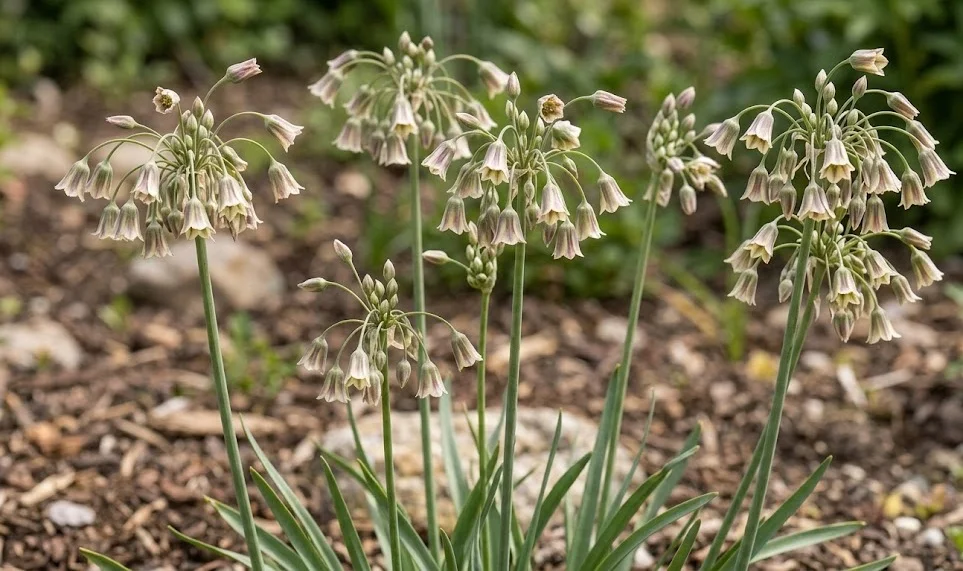

The planting and propagation of Bulgarian honey garlic are essential skills for any enthusiast looking to expand their collection of these unique perennials. Successful planting starts with selecting the highest quality bulbs and choosing a timeframe that aligns with the plant’s natural rhythm. Propagation can be achieved through several methods, each offering a different level of challenge and reward for the dedicated gardener. By mastering these techniques, you can ensure a consistent display of these architectural flowers across your landscape.
The best time to plant these bulbs is in the autumn, typically between September and November, before the ground freezes. This timing allows the bulbs to establish a root system during the cool, moist months of winter. If you wait until spring to plant, the bulbs may not have enough time to settle before the heat of summer arrives. Professional gardeners always prioritize early autumn planting to guarantee the best results for the following spring.
Selecting a site with excellent drainage is the most critical factor when preparing for the planting process. These bulbs are native to regions with rocky or sandy soils where water moves away from the roots quickly. You should avoid low-lying areas of the garden where puddles tend to form after a heavy rainstorm. If necessary, you can create a raised mound or a dedicated rock garden to provide the drainage these plants require.
Before you begin digging, it is helpful to clear the area of any perennial weeds or large stones that might interfere with root growth. Loosening the soil to a depth of about twelve inches ensures that the roots can penetrate easily and deeply. Incorporating a small amount of composted organic matter can improve the soil structure without making it too rich. Once the site is prepared, you are ready to begin the actual process of placing the bulbs in the ground.
Planting depth and spacing
The depth at which you plant the bulbs significantly affects their ability to survive the winter and bloom successfully. As a general rule, the bulbs should be planted at a depth that is approximately three times their own height. This usually means placing the base of the bulb about five to six inches below the soil surface. Planting too shallow can expose the bulbs to temperature fluctuations and physical damage from garden tools.
More articles on this topic
Spacing between the individual bulbs is also an important consideration for both aesthetics and plant health. You should aim to leave about four to six inches of space between each bulb to allow room for the foliage to spread. Overcrowding can lead to poor air circulation, which may encourage the development of fungal diseases during damp springs. Providing adequate space also ensures that each plant has access to enough nutrients and moisture from the soil.
When placing the bulb in the hole, make sure the pointed end is facing upward and the flat basal plate is resting on the soil. It is a common mistake for beginners to plant bulbs upside down, which forces the shoot to grow around the bulb to reach the surface. Gently press the bulb into the soil to ensure there are no large air pockets beneath it. This firm contact with the earth helps the roots to start growing as soon as moisture is available.
After the bulbs are in place, backfill the hole with the excavated soil and firm it down gently with your hands. You should avoid tamping the soil down with your feet, as this can compress the earth too much and damage the delicate bulbs. A light watering immediately after planting helps to settle the soil and initiates the root development process. Marking the spot with a small stake will prevent you from accidentally digging them up later in the season.
Propagation by bulb division
Division is the simplest and most common way to propagate Bulgarian honey garlic once a colony has become established. Over several years, a single bulb will naturally produce smaller “offsets” or daughter bulbs around its base. When the clump becomes too dense, the flowering may decrease, indicating that it is time to divide the plants. This process is best performed in late summer or early autumn when the plant is completely dormant.
More articles on this topic
To divide the bulbs, carefully lift the entire clump with a garden fork, being sure to dig wide enough to avoid hitting the bulbs. Shake off the excess soil to reveal the individual bulbs and their attached offsets. You can gently pull the smaller bulbs away from the parent bulb using your fingers. If they are firmly attached, a clean, sharp knife can be used to separate them, though this is rarely necessary.
Once the bulbs are separated, inspect them for any signs of rot, soft spots, or damage from insects. Only replant the healthiest and firmest bulbs to ensure the continued vigor of your garden collection. The smaller offsets may take a year or two of growth before they are large enough to produce a flower stalk. You can plant these smaller bulbs in a “nursery” area of the garden until they reach flowering size.
Replant the divided bulbs immediately to prevent them from drying out in the open air. Follow the same depth and spacing guidelines used for initial planting to give each new bulb the best start. This method of propagation is highly effective and allows you to expand your garden beds for free. It also helps to maintain the health and vitality of the original mother plants by reducing competition for resources.
Propagation from seed
Growing Bulgarian honey garlic from seed is a slower but very rewarding process for those who enjoy a challenge. The seeds are typically collected from the dried flower heads in late summer once the capsules have split open. These seeds are small and black, and they require a period of cold stratification to germinate successfully. You can either sow them directly in the garden in autumn or start them in pots kept outdoors.
If you choose to use pots, fill them with a well-draining seed-starting mix that contains a high proportion of grit or perlite. Sow the seeds thinly on the surface and cover them with a very light layer of fine gravel or sand. The pots should be placed in a cold frame or a sheltered spot outside where they can experience the winter chill. Germination usually occurs in the following spring as the temperatures begin to rise and the days lengthen.
The first-year seedlings will look like tiny blades of grass and should be handled with extreme care. During their first growing season, they focus entirely on developing a small bulb beneath the soil surface. It is important to keep the pots consistently moist but never waterlogged during this delicate stage. You can apply a very dilute liquid fertilizer once a month to support their early development and growth.
Bulbs grown from seed generally take three to four years to reach a size that is capable of producing flowers. This long wait requires patience, but it allows you to produce a large number of plants at a very low cost. Once the bulbs have reached about half an inch in diameter, they can be moved to their permanent locations in the garden. This method also introduces genetic diversity into your garden, which can result in subtle variations in flower color or size.