
Pruning and cutting back Bulgarian honey garlic is a task that combines aesthetic maintenance with the physiological needs of the plant. Unlike woody shrubs that require complex structural pruning, these bulbs follow a simpler seasonal rhythm of growth and decay. Knowing exactly when and how to remove spent flowers and foliage ensures that the garden looks tidy while the bulbs remain healthy. By following professional guidelines, you can manage the life cycle of these plants in a way that maximizes their vigor and beauty year after year.
The most immediate pruning task occurs once the individual flowers within the cluster have finished blooming and lost their color. You have two options at this stage: you can either remove the flower head or leave it to develop into a decorative seed pod. If you choose to remove it, you should cut the stalk at its base near the ground, taking care not to damage the surrounding leaves. This process, known as deadheading, prevents the plant from putting energy into seed production and redirects it back into the bulb.
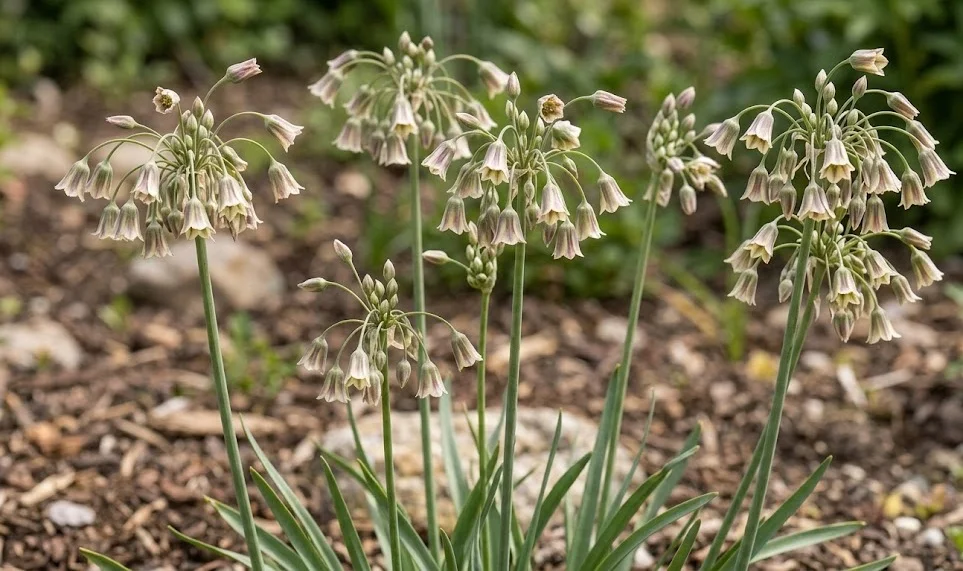
Many gardeners choose to leave the flower stalks intact because of their unique structural beauty as they dry. The papery seed capsules are held aloft on tall stems, providing a vertical element in the garden long after the colors have faded. These dried structures can be quite striking when caught in the low light of late summer or early autumn. If you enjoy this look, there is no harm in leaving the stalks until they naturally begin to collapse or lose their appeal.
When you do decide to cut the stalks back, use a sharp pair of bypass pruners to ensure a clean cut. A clean cut heals more quickly and reduces the risk of introducing pathogens into the plant’s vascular system. You should avoid pulling or tearing the stalks, as this can inadvertently pull the bulb out of the soil or damage the basal plate. Professional gardeners always keep their tools clean and sharp to maintain the highest standards of plant care.
Regardless of when you remove the stalks, the foliage must always be treated with a different set of rules. The leaves are the engine of the plant, and they must be allowed to remain until they have completely turned yellow or brown. Cutting the green leaves off too early is one of the most common mistakes made by enthusiastic but uninformed gardeners. Patience during this stage is the most important part of the pruning process for any bulbous plant.
More articles on this topic
Handling foliage senescence
As the Bulgarian honey garlic enters its period of senescence in the early summer, the leaves will naturally begin to lose their vibrant green color. This process is a sign that the plant is translocating its stored nutrients from the foliage back down into the underground bulb. If you remove the leaves while they are still green, you are effectively starving the bulb of the resources it needs for next year. This will result in weaker growth and fewer flowers during the next growing season.
If the yellowing foliage becomes an eyesore in your garden, there are professional design tricks you can use to hide it. Planting the bulbs among later-blooming perennials like Rudbeckia or ornamental grasses provides a natural screen for the dying leaves. These “companion plants” will grow up just as the garlic foliage is fading, keeping the garden bed looking full and vibrant. This integrated approach to garden design makes the senescence process almost invisible to the casual observer.
Once the foliage has turned completely brown and is dry to the touch, it can be easily removed with a gentle tug or a quick snip at the soil line. At this stage, the connection between the leaf and the bulb has withered away, and the nutrients have been safely stored. Removing the dead material helps to clean up the garden bed and prevents the accumulation of debris that can harbor pests. It also opens up space for other plants to expand and thrive during the remainder of the summer.
In some cases, the foliage might fall victim to a fungal issue or heavy pest damage before it has naturally yellowed. If the leaves are diseased, it is better to remove the affected parts immediately to prevent the problem from spreading. While this may slightly reduce the bulb’s energy stores, the long-term health of the entire colony is the higher priority. Always dispose of diseased plant material in the trash rather than the compost pile to ensure the pathogens are completely removed from your garden.
More articles on this topic
Artistic pruning and harvesting
Beyond basic maintenance, some gardeners use pruning as a way to harvest the unique flower heads for indoor arrangements. The bell-shaped blossoms of Bulgarian honey garlic are highly prized by floral designers for their architectural shape and subtle colors. To harvest them for a vase, cut the stems in the early morning when the plant is most hydrated and the lower flowers are just beginning to open. Use a clean, sharp knife and immediately place the stems in cool water to ensure the longest possible vase life.
Harvesting the flowers does not harm the bulb, provided you leave the foliage intact so it can continue to photosynthesize. In fact, cutting the flowers can be a form of early deadheading that allows the bulb to start its recovery phase even sooner. You can create stunning arrangements by pairing these bells with other spring flowers like peonies or late tulips. Their unique form adds a touch of sophistication and mystery to any floral display.
If you are interested in collecting seeds for propagation, you must leave a few of the flower heads to mature completely on the stalk. The capsules will turn from green to a dry, tan color and eventually split open to reveal the small black seeds. Once the capsules have opened, you can cut the entire head and shake the seeds into a paper envelope for storage. This intentional “pruning for seeds” is a great way to expand your garden for future seasons.
Ultimately, the goal of pruning and cutting back is to work in harmony with the plant’s natural life cycle. Whether you are cleaning up the garden in the summer or harvesting a beautiful bouquet, your actions should always support the health of the bulb. By observing the plant closely and responding to its changes, you become a more intuitive and successful gardener. Bulgarian honey garlic is a generous plant that responds well to a thoughtful and professional hand.