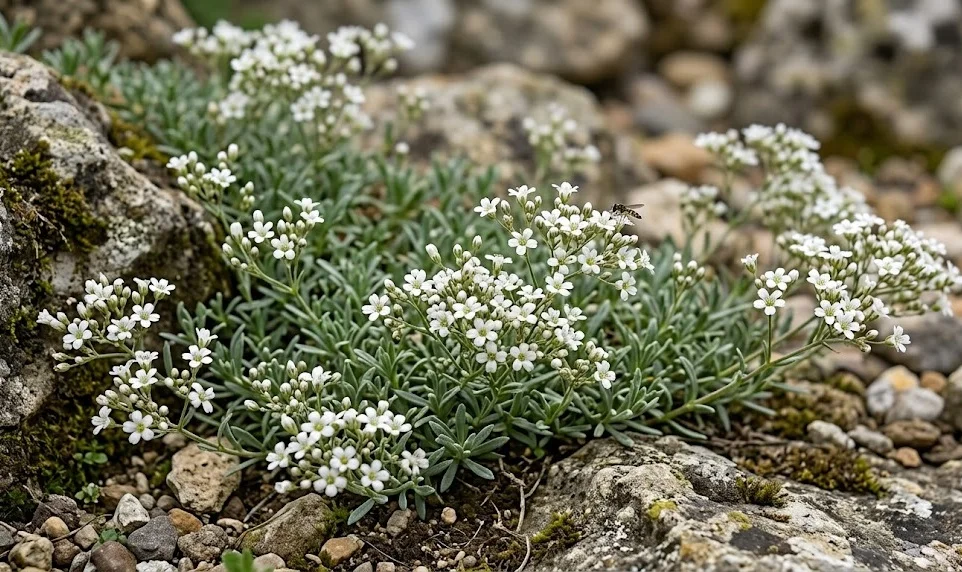

Maintaining the health of a sprawling perennial requires a proactive approach to identifying and managing potential biological threats. Creeping baby’s breath is generally a hardy species, but its dense growth habit can occasionally invite specific pathogens and insects that thrive in such environments. Understanding the early warning signs of distress allows a gardener to intervene before a minor issue becomes a landscape-wide problem. This guide details the most common diseases and pests that affect this plant and provides professional strategies for their control.
Fungal pathogens are the most frequent cause of concern for those growing groundcovers in temperate climates. These diseases often thrive in the humid, stagnant air that can develop within a thick mat of foliage, especially after periods of heavy rain. The key to managing fungal issues is prevention through proper site selection and cultural practices that minimize moisture retention. When the environment is kept optimal, the plant’s natural defenses are usually sufficient to keep most diseases at bay.
Insect pests are less common but can still cause significant aesthetic damage and weaken the plant over time. Because the leaves and stems are relatively small and delicate, a large infestation can quickly overwhelm the plant’s ability to recover. Monitoring for the presence of pests should be a regular part of any garden maintenance routine throughout the growing season. Early detection often allows for the use of more targeted, less-invasive control methods that preserve the overall health of the garden ecosystem.
A professional integrated pest management (IPM) strategy involves a combination of biological, cultural, and chemical tools to maintain plant health. This approach prioritizes long-term prevention and minimizes the impact on beneficial insects that help keep pest populations in check. By fostering a diverse and healthy garden environment, you create a resilient system where creeping baby’s breath can flourish with minimal chemical intervention. Let’s look closer at the specific challenges you might face and how to address them effectively.
Common fungal pathogens and their management
Botrytis cinerea, commonly known as gray mold, is one of the most persistent fungal threats to creeping baby’s breath. This pathogen typically attacks during cool, wet weather, appearing as a fuzzy gray coating on dying flowers or crowded foliage. If left unchecked, it can spread rapidly through the dense mat, causing the stems to collapse and rot. The best defense is to ensure excellent air circulation and to remove any spent flowers or dead material that can serve as a breeding ground for spores.
More articles on this topic
Powdery mildew is another common fungal issue that manifests as a white, flour-like dusting on the surface of the leaves. Unlike gray mold, powdery mildew often thrives in conditions where the days are warm and the nights are cool and humid. While it rarely kills the plant, it significantly detracts from its appearance and can stunt its growth by interfering with photosynthesis. To manage this, avoid overhead watering and consider using a sulfur-based spray or a diluted milk solution if the infection becomes widespread.
Root rot and crown rot are perhaps the most dangerous fungal conditions, usually caused by species like Pythium or Phytophthora. These soil-borne pathogens attack the plant from the bottom up, often as a result of poor drainage or over-watering. The symptoms include a sudden yellowing of the foliage and a mushy, darkened base where the stems meet the soil. Once these diseases take hold, they are difficult to treat, making proper soil preparation and moisture management the only reliable way to protect your plants.
Rust is a less frequent but highly visible fungal disease that produces small, orange-to-brown pustules on the undersides of the leaves. It is often spread by wind and splashing water, and it can weaken the plant by causing premature leaf drop. Removing and destroying any infected foliage is the first step in controlling a rust outbreak. For persistent issues, a professional fungicide labeled for rust can be applied according to the manufacturer’s directions, ensuring that the entire plant is covered.
Identifying and treating bacterial issues
Bacterial infections are generally less common than fungal diseases in creeping baby’s breath, but they can be quite destructive when they occur. Bacterial leaf spot is one such condition, characterized by small, water-soaked lesions on the foliage that eventually turn dark brown or black. These spots often have a yellow halo around them and can merge together to kill entire sections of the leaf. This disease is most active during warm, rainy periods when the bacteria can easily move from plant to plant through splashing water.
More articles on this topic
To control bacterial leaf spot, it is essential to minimize the time the foliage stays wet and to avoid working in the garden while the plants are damp. Any infected plant parts should be pruned away with sterilized tools and disposed of in the trash, never in the compost bin. In severe cases, copper-based bactericides can be used as a preventative measure, although they are less effective once the infection is widespread. Maintaining a clean garden environment is the most effective way to prevent the buildup of bacterial pathogens in the soil and on plant debris.
Crown gall is a more serious bacterial condition caused by Agrobacterium tumefaciens, which leads to the formation of rough, woody swellings on the roots or at the soil line. These galls interfere with the plant’s ability to transport water and nutrients, eventually leading to stunted growth and a general decline in vigor. This bacterium can persist in the soil for many years and often enters the plant through wounds caused by pruning or insect damage. If a plant is diagnosed with crown gall, it is usually best to remove and destroy the entire plant and to avoid planting susceptible species in that spot for several seasons.
Preventing bacterial issues starts with purchasing healthy, disease-free nursery stock from reputable sources. Inspect new plants carefully for any signs of spotting, wilting, or unusual growths before introducing them to your garden. Because bacteria can be spread on dirty tools, always disinfect your pruners and trowels with a solution of bleach or isopropyl alcohol between plants. By practicing good garden hygiene and selecting resistant varieties, you can significantly reduce the risk of bacterial infections in your landscape.
Major insect pests and mite infestations
Spider mites are the most common pest encountered on creeping baby’s breath, particularly during the hot, dry weeks of mid-summer. These tiny arachnids are often too small to see with the naked eye, but their presence is revealed by a fine, silken webbing and a characteristic “stippling” or yellow mottling on the leaves. As the infestation grows, the foliage can turn completely yellow and dry out, giving the plant a scorched appearance. Increasing the local humidity with a fine mist or using a strong stream of water to knock the mites off the leaves can help manage small populations.
Aphids are another frequent visitor, often clustering on the tender new growth and flower buds in the spring. These small, soft-bodied insects suck the sap from the plant, causing the leaves to curl and distort. They also secrete a sticky substance called honeydew, which can attract ants and lead to the growth of unsightly sooty mold. Ladybugs and lacewings are natural predators that often keep aphid numbers in check, but a horticultural soap or neem oil spray can be used for more significant outbreaks.
Slugs and snails can be a major problem for groundcovers, especially in gardens that are kept too moist or have a lot of organic mulch. These mollusks hide in the cool, dark spaces beneath the foliage during the day and emerge at night to feed on the tender stems and leaves. Their damage is characterized by large, ragged holes and unmistakable silvery slime trails left across the plants. Using copper tape, beer traps, or iron phosphate pellets are effective ways to protect your baby’s breath from these nocturnal grazers.
Leafhoppers and thrips are less common but can cause aesthetic damage by feeding on the foliage and flowers. Leafhoppers are small, wedge-shaped insects that jump when disturbed and can transmit certain viral diseases between plants. Thrips are very thin, tiny insects that cause “silvering” of the leaves and can damage the flower buds before they even open. For most gardeners, these pests are a minor nuisance that can be managed by maintaining a healthy garden that supports a wide variety of predatory insects.
Integrated pest management (IPM) strategies
A professional IPM strategy begins with the understanding that not every insect in the garden is a pest that needs to be eliminated. Many bugs, such as predatory wasps, hoverflies, and spiders, are actually allies that help control the populations of harmful species. Avoiding the use of broad-spectrum insecticides is crucial for protecting these beneficial organisms and maintaining a natural balance. Instead, focus on targeted treatments that address specific problems without disrupting the entire garden ecosystem.
Cultural controls are the first line of defense in any IPM program and involve creating an environment that favors the plant over the pests. This includes choosing the right planting site, ensuring proper spacing for air circulation, and maintaining the correct soil pH and moisture levels. A healthy, vigorously growing creeping baby’s breath is far better equipped to withstand occasional pest pressure than a stressed or malnourished plant. Simple tasks like removing dead leaves and weeds can also eliminate many of the hiding places and breeding grounds for common pests.
Mechanical controls involve the physical removal of pests or the use of barriers to prevent them from reaching the plants. This can be as simple as hand-picking large caterpillars or slugs, or using a strong spray of water to dislodge aphids and spider mites. Row covers can sometimes be used to protect young plants from flying insects, although this is less practical for permanent rock garden displays. These methods are labor-intensive but are highly effective and have zero impact on the environment or the health of the gardener.
When chemical controls are necessary, the least-toxic options should always be used first, such as insecticidal soaps, horticultural oils, or botanical extracts like neem. These products work through physical contact and have minimal residual effects on the environment. Always follow the label instructions carefully and apply these treatments during the coolest part of the day to avoid phytotoxicity. By using chemicals as a last resort and in a highly targeted manner, you can effectively manage pests while keeping your garden safe and beautiful.
Preventive measures in the professional garden
The most effective way to deal with diseases and pests is to prevent them from becoming established in the first place. This starts with a thorough understanding of the specific cultural needs of creeping baby’s breath and ensuring they are consistently met. A plant that is growing in the right amount of sun, with perfect drainage and appropriate nutrition, will have a much stronger immune system. Regular scouting—taking the time to walk through the garden and look closely at the plants—is the best way to catch potential issues early.
Sanitation is a cornerstone of professional garden management and involves keeping the area free of diseased or infested material. At the end of the growing season, clear away any fallen leaves or spent flower stalks that might harbor overwintering spores or insect eggs. If a particular plant dies from a soil-borne disease, remove the entire plant and a portion of the surrounding soil to prevent the pathogen from spreading. Disinfecting your tools after every use is a simple habit that can prevent the accidental transmission of viruses and bacteria.
Crop rotation and diversity can also play a role in pest prevention, even in a perennial garden. Avoid planting large swaths of the same species, as this makes it easier for specialized pests to find their hosts and multiply rapidly. Interspersing your baby’s breath with other rock garden plants can create a more complex environment that is less attractive to herbivores. If a certain pest becomes a recurring problem in one area, consider moving the plants to a new location or switching to a more resistant variety.
Finally, educating yourself about the specific lifecycle of the common pests and diseases in your region will help you anticipate when threats are most likely to occur. For example, knowing that spider mites are most active in dry heat allows you to increase monitoring and hydration during those periods. Being proactive rather than reactive is the hallmark of a professional gardener. With a combination of good cultural practices, regular observation, and a commitment to garden hygiene, you can keep your creeping baby’s breath healthy and vibrant for many years.