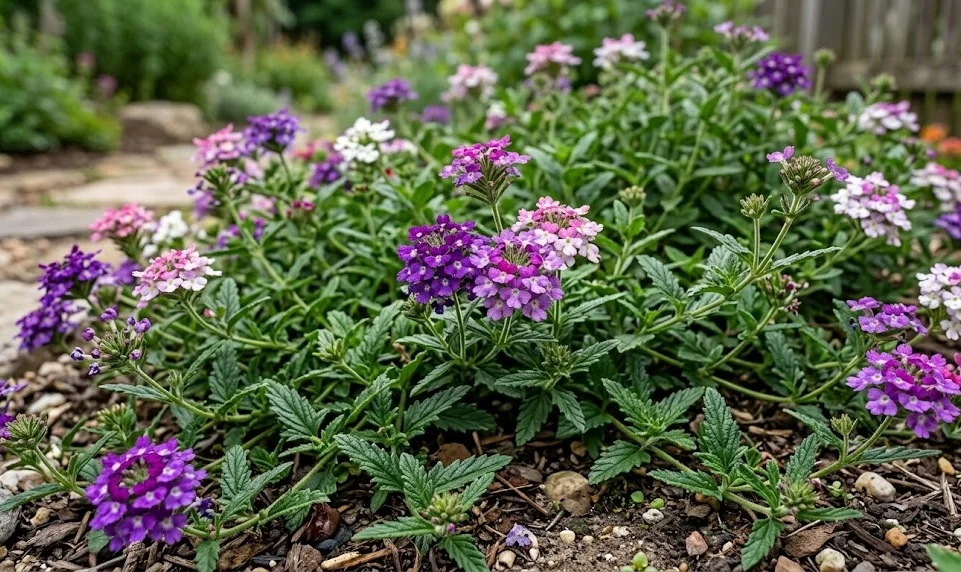

Strategic pruning and regular cutting back are essential professional techniques used to maintain the shape, health, and blooming longevity of garden verbena. Without intervention, these plants can eventually become leggy, sparse in the center, and less productive as the season progresses. By understanding the growth habits of the different varieties, you can use targeted cuts to stimulate new, vigorous shoots and a continuous supply of fresh flower buds. A professional approach to pruning combines aesthetic goals with a deep understanding of the plant’s physiological response to being cut.
Deadheading, the most frequent type of pruning for this species, involves the removal of spent flower clusters before they have a chance to develop seeds. When a plant produces seeds, it shifts its energy away from vegetative growth and flower production, which can lead to a premature end to the blooming season. You should make your cuts just above the first set of healthy leaves below the flower head to encourage the dormant buds at that node to sprout. This simple professional habit ensures that the plant remains focused on producing a spectacular visual display rather than its biological reproductive cycle.
Mid-season rejuvenation is another critical technique, especially for trailing or spreading varieties that may start to look “tired” or overgrown by mid-summer. You can cut the entire plant back by about one-third to one-half of its length to remove old, woody stems and stimulate a flush of brand-new, healthy growth. While this may temporarily reduce the number of flowers for a week or two, the long-term result is a much fuller, more vibrant plant that will bloom heavily until the first frost. A professional gardener isn’t afraid to be bold with their pruners to ensure the long-term beauty and health of their garden.
Using the right tools and maintaining them in top condition is a non-negotiable part of professional pruning practices. Sharp, clean bypass pruners or specialized floral snips are ideal for the relatively tender stems of garden verbena, as they create clean cuts that heal quickly. You should always disinfect your tools between plants to prevent the spread of any potential diseases, such as viral or fungal pathogens, through the garden. This attention to detail protects the health of your plants and ensures that your pruning efforts lead to positive growth rather than localized infection.
Early season pinching and structural shaping
Pinching back the young stems in early spring is a professional secret for creating dense, mounded plants that are covered in flowers from the very beginning. When the young transplants are about four to six inches tall, you can use your thumb and forefinger to remove the soft growing tip of each main stem. This removes the apical dominance of the plant, forcing it to redirect its energy into the lateral buds located further down the branch. The result is a much branchier, more compact plant that will ultimately produce many more flower spikes than an un-pinched specimen.
More articles on this topic
Structural shaping continues throughout the first few months of the growing season as you direct the plant’s growth to fit its specific location in the garden. For plants in containers or hanging baskets, you might prune the stems more heavily on one side to encourage a dramatic trailing effect or a perfectly symmetrical mound. In garden beds, you can prune the edges to keep the verbena from encroaching on pathways or smaller, less vigorous neighboring plants. This intentional management of the plant’s form ensures that it remains an asset to the overall garden design rather than an unmanaged sprawl.
Monitoring the internal density of the foliage is another important part of early-season shaping and maintenance. If the center of the plant becomes too crowded with small, weak stems, it can trap moisture and reduce light penetration, leading to health issues later on. You can selectively remove some of these interior branches to open up the canopy and improve the overall airflow and light distribution. This professional technique not only improves the plant’s health but often results in larger, more vibrant flower clusters across the entire surface of the mound.
The timing of these early cuts should be coordinated with your fertilization and watering schedule to provide the plant with the resources it needs to recover and grow. After a significant pinching or shaping session, a light application of a balanced liquid fertilizer can provide a quick boost to the newly stimulated buds. You should also ensure the plant is well-hydrated, as the process of growing new branches requires a steady supply of water for cell expansion. A professional approach integrates all aspects of care to support the plant’s response to your horticultural interventions.
Mid-summer rejuvenation and corrective pruning
By the time mid-summer arrives, many garden verbena plants have put a massive amount of energy into growth and flowering, which can lead to a natural decline in vigor. This is the perfect time for a “reboot” through more aggressive pruning that removes any leggy, spent, or heat-stressed stems from the plant. You should focus on cutting back the oldest branches that have already produced several rounds of flowers and are now looking sparse or yellowish. This rejuvenation process clears away the old material and makes room for the fresh, green shoots that will carry the plant through the late summer and autumn.
More articles on this topic
Corrective pruning is also necessary to address any physical damage caused by summer storms, high winds, or accidental trampling by pets or people. Broken or bruised stems should be removed immediately with a clean cut below the site of the injury to prevent pathogens from entering the wound. You should also look for any signs of disease, such as mildewed leaves or spotted stems, and prune those out as soon as they are identified. This “sanitary pruning” is one of the most effective ways to keep a small problem from spreading and affecting the entire plant or neighboring specimens.
During the hottest part of the year, it is important to avoid pruning during the peak heat of the day when the plant is already under significant moisture stress. Instead, schedule your rejuvenation sessions for the early morning or late evening when the temperatures are cooler and the plant is fully hydrated. This reduces the stress of the intervention and allows the cut surfaces to begin healing in more favorable conditions. A professional gardener respects the plant’s biological rhythms and chooses the best time for both the gardener and the garden.
After a major mid-summer cutback, you may notice that the plant looks a bit bare for a short period, but this is a normal part of the process. With proper watering and a light feeding, you will see new green growth appearing within just a few days, followed by a new set of flower buds shortly after. This cycle of renewal is what keeps garden verbena looking professionally maintained and visually stunning for a much longer period than if it were left to its own devices. Maintaining this momentum is the key to a successful, long-season floral display.
Late season maintenance and winter preparation
As the growing season begins to wind down in late summer and early autumn, your pruning strategy should shift from promoting new growth to maintaining order and preparing for the end of the year. You should continue with light deadheading to keep the plants looking tidy, but you can gradually reduce the intensity of your cuts as the temperatures cool. This allows the plant to naturally slow its growth and begin the process of hardening off its stems in preparation for the coming winter. A professional approach to the end of the season is about a graceful transition rather than forcing continued production.
Removing any heavily damaged or diseased material becomes even more important in the late season to prevent pathogens from overwintering in the garden debris. You should conduct a final “clean-up” pruning to remove any stems that have touched the ground and become rotted or infested with soil-borne pests. This reduces the source of infection for the following year and keeps the garden beds looking neat and professional during the winter months. If you are planning to overwinter the plants, this is also the time to make the initial cuts that will make them easier to protect or move.
For those treating their verbena as annuals, the final “pruning” is simply the removal of the entire plant once the first hard frost has ended the blooming season. However, even in this case, a tidy removal of the root system and all fallen foliage is a vital part of professional garden maintenance. Leaving dead plant material in the bed can harbor pests and diseases that will eagerly attack your new plantings in the spring. A clean start is the best foundation for a successful garden in the coming year, and it begins with a thorough end-of-season cleanup.
If you are attempting to keep the plants as perennials in a mild climate, you should avoid heavy pruning in the late autumn, as this can stimulate new growth that will be killed by the frost. Instead, leave the bulk of the stems in place to provide a bit of natural protection for the root crown during the coldest months. You can then perform a thorough cleanup and structural pruning in the early spring once the new growth begins to appear. This professional patience ensures that the plant has every possible advantage for surviving the winter and returning with vigor in the spring.