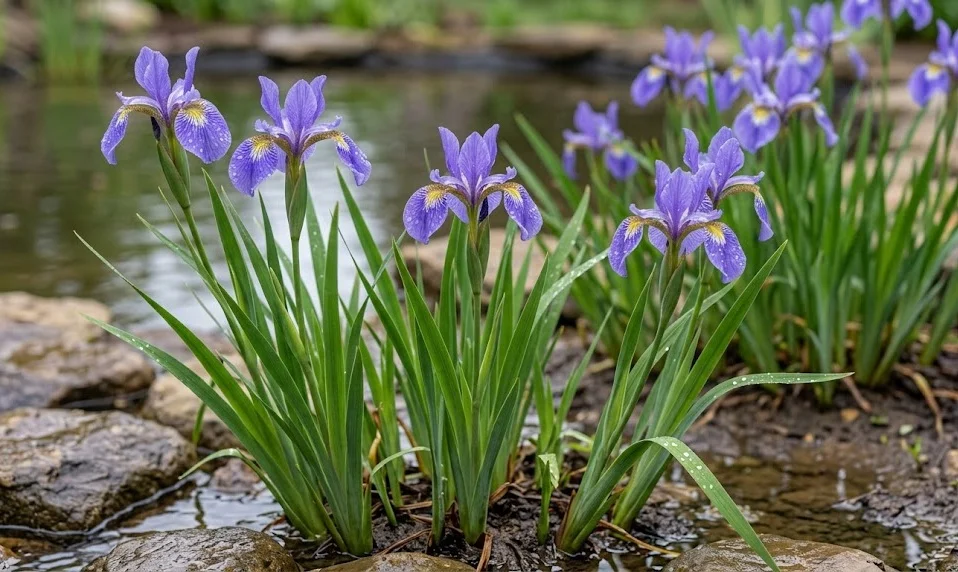

Pruning Virginia iris is less about shaping the plant and more about supporting health, cleanliness, and long-term flowering. Its leaves are important energy factories, so they should not be removed too early simply because flowering has ended. The best approach is selective, seasonal, and based on the condition of the foliage. Good cutting practices keep the clump tidy while allowing the rhizomes to rebuild strength for the next year.
Virginia iris has a naturally upright form that usually does not need formal shaping. The sword-like leaves create structure on their own. Pruning is mainly used to remove spent flowers, diseased leaves, storm-damaged foliage, and old growth at the end of the season. This makes maintenance straightforward but still important.
The timing of cutting affects plant performance. Removing too much green foliage immediately after bloom can reduce stored energy. Waiting until leaves yellow naturally allows the plant to complete its growth cycle. A professional cutback schedule respects the plant’s biology rather than treating foliage as disposable decoration.
Clean tools are essential. Wetland plants often grow in humid conditions where wounds can become entry points for disease. Sharp pruners make clean cuts that heal more easily. Disinfecting tools is especially important when removing diseased tissue.
Deadheading after flowering
Deadheading is optional but useful in many garden settings. Removing spent flowers keeps the plant looking cleaner and prevents energy from going into seed production. This can help direct resources back into rhizome growth. In formal plantings, deadheading also preserves a neater appearance.
More articles on this topic
Cut spent flower stalks down near the base without damaging surrounding leaves. Avoid cutting into the crown or young fans. If several flowers open along a stem, wait until the display is finished before removing the stalk. This keeps maintenance efficient and avoids sacrificing unopened buds.
In naturalistic plantings, seed capsules can be left in place. They add seasonal interest and may support natural reproduction. Seed production is useful where a looser, self-renewing colony is desired. It is less useful where strict spacing and uniform clumps are important.
If seed is not wanted, remove flower stalks before capsules mature. This reduces unwanted seedlings and keeps the design more controlled. It also reduces the weight of old stems that may lean into neighboring plants. The choice depends on whether the planting is ornamental, ecological, or a blend of both.
Managing foliage during the growing season
During spring and summer, remove only foliage that is clearly damaged, diseased, or collapsing. Green leaves should generally remain because they feed the rhizomes. Even after flowering, they continue to support next year’s growth. Cutting them too early weakens the plant over time.
More articles on this topic
Yellow or brown leaves can be trimmed individually. Cut them close to the base while avoiding healthy fans. This improves appearance and airflow without stripping the clump. Selective pruning is especially useful in visible garden borders.
If leaf spot or pest damage appears, remove the worst affected leaves first. Do not remove every imperfect leaf unless the plant is severely compromised. A balance is needed between sanitation and photosynthesis. The plant must retain enough green tissue to recover.
Storm-damaged foliage can be shortened or removed. Bent leaves rarely straighten fully, and broken tissue may become unsightly. Clean trimming restores the plant’s outline and reduces decay. After pruning, remove cut material from the site rather than leaving it around the crown.
Autumn and early spring cutback
The main cutback can be done in late autumn after foliage yellows or in early spring before new growth advances. Both timings can work, depending on climate and garden style. Autumn cutting creates a tidy winter bed and removes diseased material before dormancy. Spring cutting leaves some winter cover and visual texture in naturalistic plantings.
When cutting back, leave a short fan or several inches of stubble rather than slicing into the crown. This protects the growing points and makes the plant easier to locate. Cutting too low can injure rhizomes or expose them to decay. Work carefully, especially in wet soil.
Remove all pruned material from around the plant. Old leaves can harbor pests, disease spores, and excess moisture. A clean crown improves air movement and makes spring inspection easier. This is particularly important in dense or wet plantings.
After cutback, check whether the clump is overcrowded. If the center is weak or flowering has declined, plan division after flowering or in early fall. Pruning reveals the structure of the crown and makes these decisions easier. Cutting back is therefore both a maintenance task and a diagnostic opportunity.