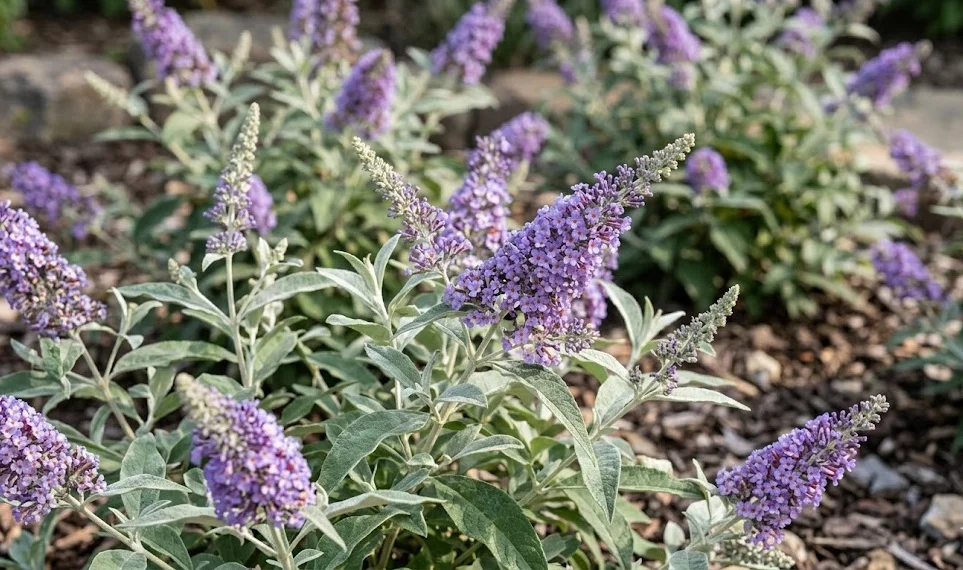

Mastering the art of pruning is essential for anyone who wants to maintain a professional and aesthetically pleasing Yunnan butterfly bush. This shrub is known for its rapid growth and its tendency to become a bit unruly if left to its own devices for too long. Pruning is not just about controlling the size of the plant; it is a vital practice that rejuvenates the wood, encourages more flowers, and ensures a healthy structure. A professional gardener approaches pruning with a clear plan and the right tools, understanding that every cut influences the future development of the shrub.
The timing of your pruning is the most critical factor to consider before you start cutting into the branches. The Yunnan butterfly bush blooms on “new wood,” which means the flowers are produced on the stems that grow during the current season. Therefore, the best time to perform major pruning is in the early spring, just as the buds begin to swell but before the new growth really takes off. This allows the plant to put all of its springtime energy into creating the fresh, vigorous stems that will carry this year’s floral display.
Using the correct tools is a hallmark of professional maintenance and ensures that the plant heals quickly and cleanly. A pair of sharp, high-quality bypass pruners is perfect for smaller stems, while loppers may be necessary for the thicker, older wood at the base. Always ensure your tools are clean and sterilized to prevent the accidental introduction of pathogens into the fresh cuts. Making clean, angled cuts just above a healthy bud is the professional standard that promotes rapid recovery and strong new growth.
Don’t be afraid to be somewhat bold with your pruning, as this species responds very well to significant cutting back. In fact, many experts recommend taking the plant down to within a foot or two of the ground every few years to prevent it from becoming leggy and unattractive. This “hard pruning” technique results in a much more compact, floriferous, and manageable shrub that looks young and vibrant. Understanding the resilience of the Yunnan butterfly bush allows you to prune with confidence and achieve the best possible results.
Techniques for structural and maintenance pruning
Structural pruning focuses on creating a strong and balanced framework for the plant to grow upon. You should start by removing any dead, damaged, or diseased wood, which is often referred to as the “three Ds” of professional gardening. This opens up the center of the bush and allows for better air circulation and light penetration, which are vital for overall health. Removing branches that cross or rub against each other is also important, as these areas can become entry points for pests and diseases.
More articles on this topic
Once the basic cleanup is complete, you can focus on shaping the bush to fit its specific location in your garden. You should aim for a natural, vase-like shape that allows the silver foliage to be displayed to its best advantage. Cutting back the previous year’s growth by about two-thirds is a good general rule for maintaining a consistent size and encouraging plenty of flower buds. This maintenance pruning keeps the plant looking tidy and prevents it from overwhelming neighboring perennials in the garden bed.
The concept of “heading back” involves cutting a branch to a specific bud to control the direction of new growth. If you want the plant to spread wider, prune to an outward-facing bud; if you need it to grow more upright, choose a bud that faces the center. This level of precision is what separates a professional gardener from a casual hobbyist and allows for complete control over the plant’s form. Taking the time to consider each cut will result in a much more harmonious and intentional landscape feature.
Throughout the growing season, you can also perform “soft” pruning, such as pinching back the tips of young stems to encourage branching. This practice results in a bushier plant with more terminal ends, which ultimately means more flower spikes for you to enjoy. While not strictly necessary, these small professional touches can significantly enhance the ornamental impact of your Yunnan butterfly bush. Constant observation and minor adjustments are the keys to maintaining a spectacular specimen year-round.
Deadheading and late-season care
Deadheading is the process of removing spent flower spikes once they have finished blooming and have started to turn brown. This is a highly effective professional technique that prevents the plant from wasting energy on seed production and encourages it to produce a second flush of flowers. You should cut the flower stem back to the first set of leaves or to a new bud that is already forming further down the branch. This simple task keeps the shrub looking fresh and extends the period of color in your garden by several weeks.
More articles on this topic
As the summer progresses, you might notice that some of the earlier growth has become a bit floppy or overgrown. A light “tidy-up” pruning in mid-summer can help restore the plant’s shape without sacrificing the upcoming flowers. However, be careful not to do any major cutting back late in the season, as this could stimulate new growth that won’t have time to harden off before winter. A professional approach involves tapering off your pruning activities as the autumn months approach to allow the plant to enter dormancy naturally.
In the late autumn, some gardeners prefer to do a very light pruning to remove any excessively long stems that might be damaged by winter winds or heavy snow. This is not a major structural prune, but rather a “preventative” measure to keep the bush safe during the dormant period. You should leave the bulk of the stems intact until the following spring, as they provide a small amount of insulation for the crown of the plant. This professional patience ensures that the bush has the best possible chance of surviving a cold winter.
Finally, always remember to dispose of your pruning waste responsibly to maintain a healthy and tidy garden. If the stems were healthy, they can be shredded and added to your compost pile to recycle the nutrients back into the soil. However, if you removed any diseased wood, it should be burned or taken away to prevent the spread of pathogens. A clean workspace is the final step in any professional pruning project, leaving your garden looking its best and your plants ready for their next phase of growth.