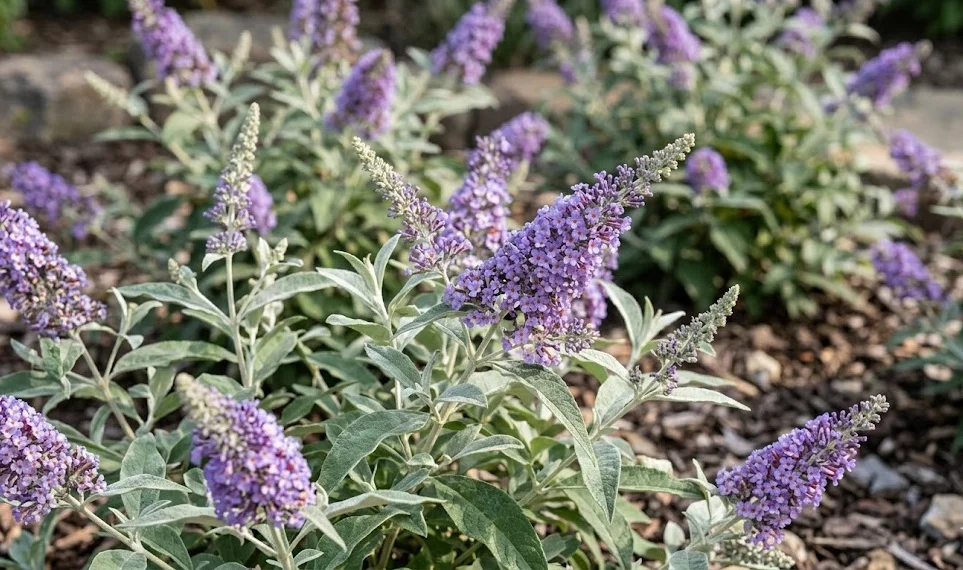

The Yunnan butterfly bush is a plant that thrives on sunlight, and understanding its light requirements is fundamental to achieving professional-quality results in your garden. This species is native to the sun-drenched slopes of western China, where it has evolved to utilize intense solar energy for its growth and flowering. In a garden setting, light is the primary engine that drives the production of the plant’s signature silver foliage and its beautiful lavender-blue flower spikes. Ensuring that your bush receives the correct amount and quality of light will determine its overall shape, health, and ornamental impact.
Ideally, this shrub should be planted in a location that receives at least six to eight hours of direct sunlight every day. Full sun exposure is what triggers the densest growth habit, preventing the plant from becoming “leggy” or sparse as it reaches for the light. Sunlight also enhances the silvery sheen of the leaves, which is caused by tiny hairs that reflect light and protect the plant from excessive heat. A professional gardener always prioritizes the brightest spots in the landscape for this specific variety to ensure it remains compact and vibrant.
While the plant loves the sun, the quality of that light can vary depending on your geographic location and the surrounding environment. Morning sun is particularly beneficial as it helps dry any dew from the foliage, reducing the risk of fungal diseases. The intense afternoon sun can be quite strong, but the Yunnan butterfly bush is remarkably resilient to heat if it has adequate moisture. Choosing a spot with southern or western exposure is generally the best way to meet these high light demands throughout the growing season.
If the bush is planted in too much shade, you will notice a significant decline in its ornamental quality and overall vigor. The stems will often become long and weak, stretching toward any available light source, and the silver color of the leaves may fade to a duller green. More importantly, the flowering will be much less profuse, and the individual flower spikes may be smaller and less fragrant. Recognizing the symptoms of insufficient light is the first step in making professional adjustments to your garden’s layout.
Managing light in diverse garden settings
In smaller or more crowded gardens, managing light can be a challenge that requires a professional and creative approach. You may need to prune neighboring trees or shrubs to open up a “light window” for your butterfly bush to ensure it stays healthy. Even a few hours of competing shade from a large tree can make a difference in the plant’s performance over several years. Being aware of how shadows move across your garden throughout the day is a key part of successful site planning.
More articles on this topic
The reflective properties of nearby structures can also be used to enhance the light available to your shrub. Planting the bush near a light-colored wall or a paved patio can provide supplemental reflected light, which can be very effective in cooler or cloudier climates. This “bonus” light can help the plant stay warmer and encourage earlier blooming in the spring. A professional landscape designer often uses these subtle environmental cues to maximize the potential of sun-loving species.
Seasonal changes also affect the light levels in your garden, with the sun’s angle being much lower in the spring and autumn than in mid-summer. You should observe how these shifts impact your plant, especially if there are deciduous trees nearby that provide shade only during certain months. The Yunnan butterfly bush is most active during the long days of summer, so ensuring maximum exposure during this peak period is the highest priority. Understanding the solar geometry of your property is a hallmark of an expert gardener.
For those living in extremely hot climates, a tiny bit of dappled shade during the most intense part of the afternoon can actually be beneficial. While the plant loves light, the combination of extreme heat and direct sun can sometimes cause minor stress if the soil is not kept moist. However, this should be the exception rather than the rule, as the plant’s default requirement remains full, direct sun. Balancing these factors requires a professional touch and a keen eye for the plant’s daily response to its environment.
Phototropism and structural development
Phototropism is the natural tendency of plants to grow toward their primary light source, and it plays a major role in the shape of your bush. If the light is coming primarily from one direction, the shrub may develop an asymmetrical shape as it leans toward the sun. To maintain a balanced and professional appearance, you should ensure that light can reach all sides of the plant as much as possible. Proper spacing between the butterfly bush and its neighbors is the best way to prevent one-sided growth patterns.
More articles on this topic
The interior of the bush also needs light to remain healthy and to prevent the inner branches from dying off prematurely. Regular thinning through professional pruning allows light to penetrate deep into the canopy, encouraging new growth from the center of the plant. A well-lit interior is much less likely to harbor pests and diseases, which thrive in dark, stagnant environments. Maintaining a “breathable” and “light-filled” structure is a key goal of expert maintenance for this species.
The intensity of light also influences the timing of the plant’s flowering cycle each year. You may find that specimens in the sunniest parts of your garden bloom several weeks earlier than those in slightly more shaded areas. This variation can be used to your advantage to extend the overall flowering season in your landscape by placing plants in slightly different exposures. A professional understanding of light’s impact on phenology allows for more sophisticated and intentional garden designs.
Finally, remember that the silver foliage of the Yunnan butterfly bush is its own built-in light management system. The tiny white hairs on the leaves not only reflect light to keep the plant cool but also help it trap moisture in dry conditions. This evolutionary adaptation is what makes the plant so well-suited to bright, open environments where other shrubs might struggle. By providing the high light levels the plant craves, you are simply respecting its biological heritage and allowing it to perform at its very best.