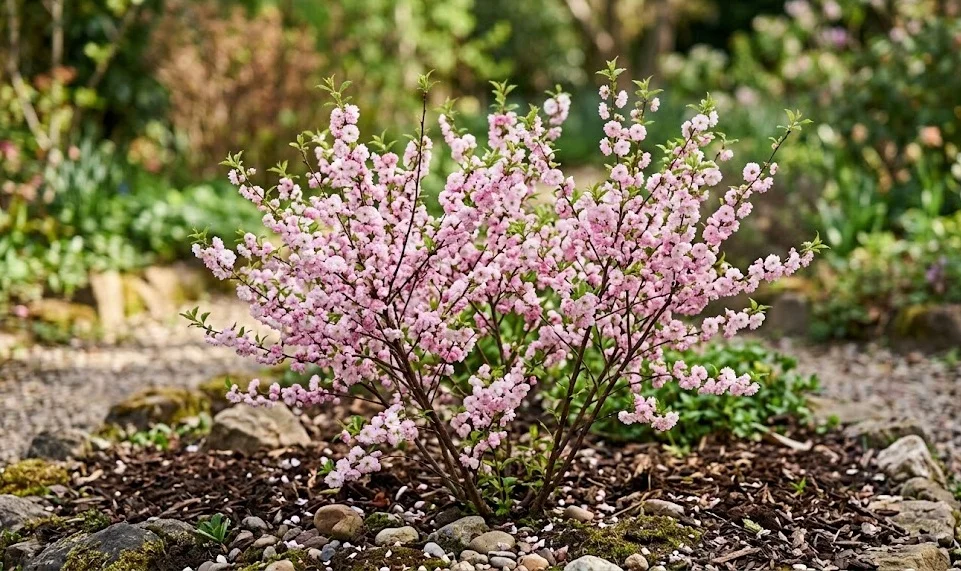

Protecting the Japanese dwarf cherry from biological threats is a primary responsibility for any gardener who wishes to maintain a healthy landscape. This ornamental species is subject to several specific pests and diseases that can mar its beauty and, in severe cases, threaten its survival. A professional approach involves a combination of regular monitoring, cultural preventative measures, and targeted interventions when necessary. By understanding the common enemies of this shrub, you can act quickly and effectively to preserve the vitality of your garden specimens.
Identifying and managing common fungal infections
Fungal pathogens are among the most frequent challenges faced by growers of the Japanese dwarf cherry, especially in humid or rainy climates. Powdery mildew is a common issue, appearing as a white, flour-like dusting on the leaves and young stems during the summer. While it is rarely fatal, it can significantly weaken the plant by interfering with photosynthesis and causing the leaves to distort. Improving air circulation and avoiding overhead watering are the first steps in preventing this unsightly condition.
Leaf spot diseases are another group of fungal infections that can cause premature defoliation and general decline. These typically appear as small, dark spots that may eventually merge and cause the entire leaf to turn yellow and drop. If you notice these symptoms, it is important to remove and destroy any infected foliage both on the plant and on the ground. Professional gardeners often use preventative fungicidal sprays in the early spring if they have a history of these problems in their local area.
Brown rot is a more serious fungal threat that can affect the blossoms and fruit of many Prunus species. It often manifests as a sudden browning and wilting of the flowers, which then remain attached to the stems. This fungus can travel back into the wood, creating cankers that can girdle and kill individual branches over time. Pruning out infected wood and ensuring proper sanitation around the plant are essential for keeping brown rot under control.
Finally, root rot can occur if the Japanese dwarf cherry is grown in poorly draining soil or is consistently overwatered. This condition is caused by soil-borne fungi that thrive in anaerobic conditions and attack the root system, leading to a rapid collapse of the plant. Since the damage happens underground, the first visible signs are often a general yellowing and wilting of the canopy. Correcting drainage issues and being mindful of irrigation practices are the most effective ways to avoid this devastating problem.
More articles on this topic
Bacterial and viral threats to plant health
Bacterial infections can be particularly difficult to treat and often require a more aggressive management strategy than fungal issues. Bacterial canker is a significant concern for the Japanese dwarf cherry, characterized by sunken, oozing sores on the trunk or branches. These cankers can disrupt the flow of nutrients and water, eventually leading to the death of the limbs above the infection site. You should always use sterilized tools when pruning and avoid making large cuts during periods of wet weather when bacteria are most active.
Fire blight is another bacterial disease that can occasionally affect ornamental cherry varieties, causing shoots to look as if they have been scorched by fire. The leaves turn black or brown and curl, while the tips of the branches may bend into a distinctive “shepherd’s crook” shape. This disease can spread rapidly through the plant’s vascular system, making quick identification and removal of infected parts critical. Cuts should be made at least twelve inches below the visible symptoms to ensure all of the bacteria are removed.
Viral infections are less common but can be very damaging because there are no effective chemical treatments available for them. Viruses often cause strange patterns of discoloration on the leaves, such as mottling, mosaic patterns, or ringspots. They can also lead to stunted growth and a general lack of vigor that does not respond to improved care or fertilization. If a viral infection is confirmed, the only solution is usually to remove and destroy the affected plant to prevent it from spreading to others.
Preventing the spread of these pathogens relies heavily on maintaining a clean garden environment and using healthy nursery stock. Many viruses and bacteria are spread by sap-sucking insects or through contaminated pruning tools that have not been properly cleaned. You should always buy plants from reputable sources and inspect them carefully for any signs of disease before bringing them home. A strong, healthy plant is always better equipped to resist these invisible threats than one that is already stressed.
More articles on this topic
Recognizing and controlling insect pests
A variety of insect pests can find the Japanese dwarf cherry to be an attractive host throughout the growing season. Aphids are perhaps the most common, appearing as small, soft-bodied insects that cluster on the underside of leaves and on tender new growth. They suck the sap from the plant, causing the leaves to curl and producing a sticky substance called honeydew. This honeydew can then encourage the growth of sooty mold, further detracting from the plant’s appearance.
Scale insects are another frequent pest that can go unnoticed because they often look like small bumps or growths on the bark. They also feed on the plant’s sap and can significantly weaken the shrub if their populations are allowed to grow unchecked. You might notice a general yellowing of the foliage or a dieback of branches in heavily infested specimens. Horticultural oils or insecticidal soaps can be effective treatments for scale, especially when applied during their “crawler” stage in the spring.
Spider mites are a common problem during hot, dry weather and can be identified by the fine webbing they leave on the undersides of leaves. Their feeding creates a stippled or bronzed appearance on the foliage, which can lead to premature leaf drop if the infestation is severe. Regularly misting the foliage with water can help to discourage these pests, as they thrive in dusty and dry conditions. For more serious outbreaks, specialized miticides may be necessary to bring the population back under control.
Japanese beetles and other leaf-eating insects can also cause significant physical damage to the canopy during the summer months. These pests can quickly skeletonize the leaves, leaving only the veins behind and greatly reducing the plant’s aesthetic value. Hand-picking the beetles in the early morning when they are sluggish is an effective non-chemical control method for small gardens. Maintaining a healthy plant is your best defense, as vigorous shrubs can often recover more quickly from moderate insect damage.
Integrated pest management and preventative care
Adopting an Integrated Pest Management (IPM) approach is the most professional and sustainable way to protect your Japanese dwarf cherry. This strategy focuses on long-term prevention and uses a combination of biological, cultural, and physical controls before resorting to chemicals. You should start by ensuring that the plant is growing in the best possible conditions, as a healthy specimen is naturally more resistant to threats. This includes proper watering, fertilizing, and site selection as discussed in previous sections.
Encouraging natural predators in your garden is a key component of a biological control strategy. Ladybugs, lacewings, and predatory mites can help to keep populations of aphids and other pests in check without any intervention from you. You can attract these beneficial insects by planting a variety of flowering species that provide them with alternative sources of food and shelter. Avoiding the use of broad-spectrum pesticides is also important, as these often kill the “good bugs” along with the “bad” ones.
Physical controls, such as using a strong stream of water to knock insects off the foliage or manually removing infected leaves, can be surprisingly effective. You should make it a habit to walk through your garden regularly and inspect your plants for the first signs of trouble. Catching a pest or disease early makes it much easier to manage and often prevents the need for more intensive treatments. Sanitation is also vital; always clean up fallen debris and prune away dead wood which can harbor pathogens.
When chemical treatments are necessary, choose the least toxic option that will be effective for the specific problem you are facing. Always read and follow the label instructions carefully to protect yourself, the plant, and the surrounding environment. Targeted applications to only the affected parts of the shrub are better than widespread spraying of the entire garden. By being a vigilant and informed gardener, you can maintain the health and beauty of your Japanese dwarf cherry for many years.
Advanced diagnostics and professional intervention
In some cases, the cause of a plant’s decline can be difficult to pinpoint even for an experienced gardener. If your Japanese dwarf cherry is showing persistent symptoms that do not respond to standard treatments, it may be time to seek professional help. Many universities and agricultural departments offer diagnostic services where you can send samples of soil or foliage for laboratory analysis. This can identify specific pathogens or nutrient imbalances that are not visible to the naked eye.
Advanced diagnostic tools, such as soil probes or specialized moisture meters, can provide deeper insights into the environmental conditions affecting the plant. These tools allow you to measure parameters like electrical conductivity or specific mineral concentrations with high precision. Understanding the exact state of your garden’s ecosystem can lead to more effective and targeted care plans. Professional arborists can also provide expert advice on the structural health of larger specimens.
You might also consider the use of systemic treatments for recurring or particularly stubborn pest and disease issues. Systemic products are absorbed by the plant and provide protection from the inside out, making them highly effective against wood-boring insects or vascular diseases. However, these should be used with caution and only when other methods have failed, as they can have longer-lasting effects on the plant’s biology. Always weigh the benefits of such treatments against the potential impact on non-target species.
Finally, staying informed about new pests and diseases that are entering your region is an important part of professional gardening. Climate change and global trade are constantly introducing new challenges to the landscape that may require different management strategies. Joining local gardening clubs or following professional horticultural publications will keep you up to date on the latest research and best practices. Knowledge is your most powerful tool in the ongoing effort to protect your ornamental plants.