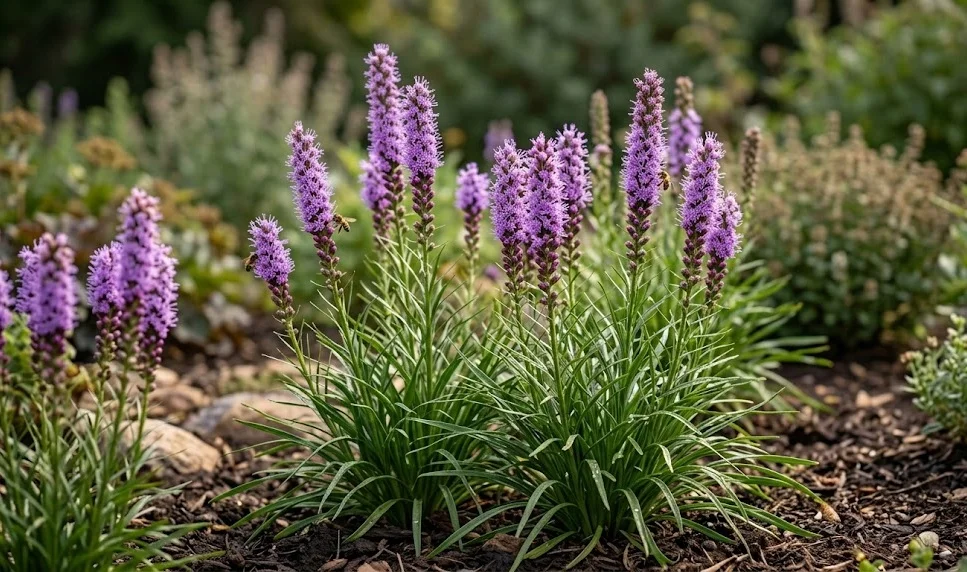

Managing the hydration and nutritional needs of the dense blazing star is a balancing act that requires a professional touch and keen observation. While this species is celebrated for its drought tolerance once established, its performance can be significantly enhanced with strategic interventions. Understanding the physiological requirements of the plant during different stages of its growth cycle allows for a more targeted approach. A professional irrigation and fertilization plan ensures that the plants remain healthy, upright, and capable of producing their iconic floral displays.
Water needs during establishment
The first few months after planting are the most critical period for the water management of the dense blazing star. During this phase, the root system is actively expanding into the surrounding soil and has a limited ability to access deep moisture reserves. Regular watering is necessary to keep the root zone consistently moist but never waterlogged or saturated. A professional gardener checks the soil moisture daily by hand to ensure that the young plants are receiving the hydration they need to thrive.
Deep watering is preferred over frequent, shallow applications because it encourages the roots to grow deeper into the soil profile. This deep root system is what eventually provides the plant with its legendary ability to withstand dry periods in the future. Applying water slowly at the base of the plant allows it to soak in rather than running off the surface of the ground. This method also keeps the foliage dry, which is a key practice in preventing the development of fungal diseases on the leaves.
As the plant begins to show signs of new growth and establishment, the frequency of watering can be gradually reduced. This transition encourages the plant to become more self-sufficient and adapt to the natural rainfall patterns of the local environment. However, the gardener must remain vigilant during unexpected heatwaves or prolonged dry spells that can stress even established plants. Monitoring the turgidity of the leaves provides a clear signal of whether the plant’s internal water balance is being maintained.
Mulching plays a vital role in the moisture management strategy by reducing evaporation from the soil surface. A two-inch layer of organic mulch, such as shredded bark or compost, acts as an insulating blanket for the root system. It helps maintain a more stable soil temperature and preserves the moisture provided by irrigation or rainfall for a longer period. Professionals always ensure that the mulch is kept away from the direct contact with the plant’s crown to avoid any moisture-related decay issues.
More articles on this topic
Summer hydration management
During the peak of the summer, the dense blazing star enters its most demanding phase as it develops its tall flower spikes. The sheer volume of tissue being produced requires a steady supply of water to maintain structural integrity and floral quality. If the plant experiences severe water stress during this time, the flower spikes may wilt or fail to reach their full potential height. A professional will prioritize supplemental watering during these critical weeks to ensure a spectacular and long-lasting bloom.
The timing of irrigation during the summer months can affect the overall efficiency and health of the garden. Watering in the early morning is widely considered the best practice, as it allows the plants to hydrate before the intense heat of the day. It also ensures that any accidental moisture on the foliage evaporates quickly in the morning sun, reducing the risk of disease. Evening watering is less ideal because the damp conditions can persist overnight, creating a hospitable environment for various pathogens.
Natural rainfall should be monitored using a rain gauge to provide an accurate picture of how much moisture the garden is receiving. This data-driven approach prevents over-watering, which can be just as detrimental as drought for a plant adapted to prairie conditions. In many cases, an established dense blazing star may only need supplemental water during exceptionally dry summers. This restraint is a hallmark of a professional who understands the natural resilience and ecological preferences of the species.
Soil type also dictates the summer watering schedule, as sandy soils dry out much faster than those with a higher clay content. Gardeners working with fast-draining soils may need to provide more frequent, smaller applications of water to keep the plants hydrated. Conversely, in heavy soils, the focus shifts to ensuring that the drainage is sufficient to prevent the roots from sitting in stagnant water. This site-specific adjustment of the watering plan is essential for achieving the best results with this particular perennial.
More articles on this topic
Understanding nutrient requirements
The dense blazing star has evolved to grow in relatively lean soils, meaning it does not require high levels of artificial fertilization. In fact, over-fertilizing can lead to excessive, weak foliage that is unable to support the weight of the flower spikes. A professional approach to nutrition focuses on maintaining a balanced soil environment rather than forcing rapid growth through chemicals. Understanding the natural nutrient cycling within the garden is the first step toward a sustainable fertilization strategy.
If the soil is naturally poor or if the plants show signs of nutrient deficiency, a light application of a balanced, slow-release fertilizer may be beneficial. This should be applied in early spring as the new growth begins to emerge, providing a steady supply of nutrients throughout the season. Avoid using high-nitrogen fertilizers that promote leaf growth at the expense of floral development and structural strength. A professional always reads the fertilizer analysis and applies it according to the specific needs of the plant and the soil.
Organic matter, such as well-rotted compost or leaf mold, is often the best way to provide long-term nutrition for these perennials. Incorporating a thin layer of compost into the soil surface each spring mimics the natural decomposition process found in prairie ecosystems. This not only provides essential minerals but also improves the soil structure and biological activity in the root zone. This holistic approach to feeding the soil rather than just the plant leads to more resilient and healthy garden specimens.
Soil testing is a valuable professional tool that removes the guesswork from the fertilization process. A laboratory analysis can reveal the exact levels of nitrogen, phosphorus, potassium, and micronutrients present in the garden beds. It also provides information on the soil pH, which significantly affects the availability of nutrients to the plant roots. Armed with this information, the gardener can make informed decisions about which amendments are truly necessary for the health of their dense blazing star.
Application methods and timing
When applying fertilizers or soil amendments, the method of application is just as important as the choice of product. Granular fertilizers should be spread evenly around the base of the plant, avoiding direct contact with the foliage or the crown. It is essential to water the area thoroughly after application to help move the nutrients down into the root zone. This ensures that the plant can begin to utilize the added minerals immediately and reduces the risk of fertilizer burn.
Liquid fertilizers can be used for a quick boost if a plant is showing acute signs of stress or deficiency during the growing season. However, these should be used sparingly and at a diluted strength to avoid disrupting the natural balance of the soil. A professional gardener uses liquid feeds as a targeted intervention rather than a primary source of nutrition for established perennials. The goal is always to foster a self-sufficient plant that relies on the inherent fertility of the managed soil.
Timing the fertilization to match the plant’s growth cycle ensures the most efficient use of resources and the best results. The primary application should happen in the spring to support the initial flush of growth and the development of the flower spikes. Avoid fertilizing late in the summer or early autumn, as this can stimulate new growth that won’t have time to harden off before winter. This late-season growth is often tender and highly susceptible to damage from the first hard freezes of the year.
Professional gardeners also consider the environmental impact of their fertilization practices on the surrounding ecosystem. Runoff from over-fertilized gardens can contribute to water pollution and disrupt the balance of local natural habitats. By using slow-release products and applying them precisely, one can minimize these negative effects while still achieving a beautiful garden. This responsible stewardship is an integral part of modern professional horticulture and landscape management.
Recognizing and correcting nutrient issues
Being able to identify the visual cues of nutrient imbalances is a vital skill for any professional maintaining a perennial garden. Yellowing leaves, known as chlorosis, can indicate a deficiency in nitrogen or iron, depending on where the yellowing occurs. Conversely, very dark green foliage that is soft and prone to flopping over is a classic sign of excessive nitrogen application. Recognizing these symptoms early allows for quick corrective action before the overall health of the plant is compromised.
Stunted growth and poor flower production may suggest a lack of phosphorus, which is essential for energy transfer and reproductive development. However, these symptoms can also be caused by environmental factors like insufficient light or improper watering. A professional will rule out these cultural issues before assuming that a lack of fertilizer is the primary problem. This diagnostic approach prevents the unnecessary application of chemicals and focuses on the true root cause of the plant’s distress.
If a deficiency is confirmed, selecting a targeted fertilizer that addresses the specific missing nutrient is the most effective professional response. For example, an iron chelate spray can quickly correct iron chlorosis without affecting the overall nutrient balance of the soil. Once the immediate issue is resolved, the gardener should review their long-term soil management plan to prevent a recurrence. This cycle of observation, intervention, and adjustment is what defines a professional gardening practice over time.
Finally, maintaining a record of what fertilizers were applied and how the plants responded is invaluable for future seasons. Every garden is unique, and what works in one location may not be as effective in another due to soil and climate variations. Learning from experience and refining the approach each year leads to a mastery of the specific needs of the dense blazing star. This dedication to continuous improvement ensures that the garden remains a vibrant and healthy environment for both plants and people.