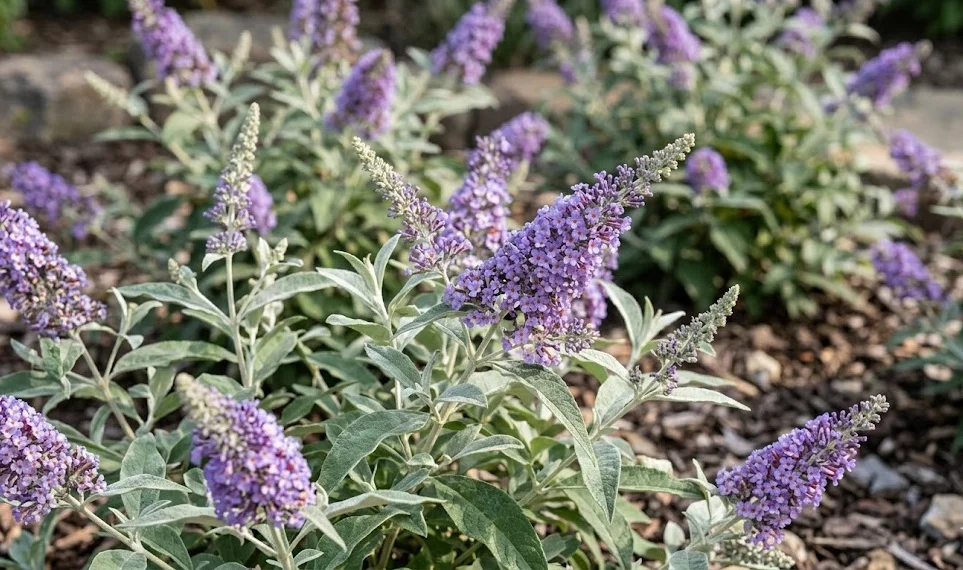

The successful establishment of the Yunnan butterfly bush begins with a precise planting strategy that respects the plant’s specific biological requirements. This ornamental shrub is highly valued for its distinct silver foliage and graceful growth habit, but it requires a thoughtful start to reach its full potential. Professionals understand that the first few months in the ground dictate the health and longevity of the plant for many years to come. By following a structured approach to planting, you can ensure that your specimen transitions smoothly from the nursery container to its permanent home in the landscape.
Site selection is the primary factor that determines whether your planting efforts will be successful in the long run. You must find a location that offers full sun and exceptional drainage, as the roots are particularly sensitive to standing water. The soil should be prepared well in advance by incorporating organic amendments to improve its structure and nutrient profile. Taking the time to analyze the environment before the plant even arrives at your home is a professional habit that prevents many common gardening frustrations.
The physical act of planting should be done with care to avoid damaging the delicate root system of this species. You should dig a hole that is significantly wider than the root ball but no deeper than the original container to prevent settling. Gently teasing the roots outward can help the plant integrate more quickly with the surrounding soil once it is placed in the hole. Proper positioning during this stage ensures that the stem remains at the correct level relative to the ground surface, which is vital for preventing crown rot.
Once the bush is in the ground, the immediate post-planting care is what cements its success in the garden. You need to water the area thoroughly to settle the soil and eliminate any air pockets that might dry out the roots. Applying a light layer of mulch will help retain moisture and keep the soil temperature stable during the initial establishment phase. Consistent monitoring during the first growing season is the hallmark of an expert gardener who values the health of their botanical investments.
Mastering the art of propagation from cuttings
Propagation is an excellent way to expand your collection of Yunnan butterfly bushes or to share this beautiful plant with other enthusiasts. The most reliable method for this species is taking semi-hardwood cuttings during the mid to late summer months. At this stage, the wood is mature enough to be resilient but still soft enough to produce new roots relatively quickly. Professionals prefer this method because it results in a clone that is genetically identical to the parent plant, ensuring the same silver foliage and flower color.
More articles on this topic
To take a successful cutting, you should select a healthy, non-flowering shoot that is about four to six inches long. Use a sharp, sterilized blade to make a clean cut just below a node, which is where the leaves emerge from the stem. Removing the lower leaves and dipping the cut end into a rooting hormone can significantly increase your success rate. This process requires precision and cleanliness to prevent fungal infections from taking hold before the roots have a chance to develop.
The cuttings should be placed in a well-draining propagation mix, such as a combination of perlite and peat moss. Maintaining a high level of humidity around the cuttings is essential, which can be achieved by covering them with a clear plastic dome or bag. Keep the container in a bright spot but away from direct sunlight, which could overheat and kill the delicate tissue. With consistent moisture and warmth, you should start to see new growth and root development within a few weeks.
Once the roots have become established and the young plants show signs of vigorous growth, they can be moved into individual pots. It is important to harden off these new plants gradually by exposing them to outdoor conditions for increasing periods each day. This transition period prepares them for the realities of the garden and ensures they are strong enough to survive on their own. Growing your own plants from cuttings is a deeply rewarding experience that demonstrates a high level of horticultural skill.
Seed propagation techniques and challenges
While less common than cuttings, growing the Yunnan butterfly bush from seed is a fascinating way to observe the entire lifecycle of the plant. It is important to note that seeds may not always produce plants that are identical to the parent, which can lead to interesting variations in foliage and flower color. Collecting seeds from a mature bush involves waiting for the flower spikes to dry completely and then carefully extracting the tiny seeds. This method requires a great deal of patience and attention to detail, as the seeds are very small and can be easily lost.
More articles on this topic
Sowing the seeds should be done on the surface of a fine seed-starting mix, as they require light to germinate properly. You should press them gently into the soil but avoid covering them with a thick layer of substrate that might block out the sun. Keeping the soil consistently moist but not waterlogged is the biggest challenge during this phase of propagation. Using a fine misting bottle is a professional tip that prevents the seeds from being washed away or buried too deeply during watering.
Germination usually occurs within a few weeks if the temperature is kept consistently warm and the light levels are adequate. Once the seedlings have developed their first set of true leaves, they can be thinned out to provide enough space for each plant to grow. These young plants are extremely delicate and should be protected from any sudden changes in the environment or harsh weather. Watching a tiny seed transform into a silver-leaved shrub over several years provides a unique perspective on the resilience of nature.
Before these seedlings can be planted in the garden, they must undergo a rigorous hardening-off process. You should slowly introduce them to the intensity of direct sunlight and the fluctuations of outdoor temperatures over several weeks. Only the strongest and most healthy seedlings should be selected for permanent placement in the landscape. This selection process ensures that your garden is filled with vigorous plants that are well-suited to your specific growing conditions.
Preparing the garden for a new arrival
Before you bring a new Yunnan butterfly bush home, the garden bed should be fully prepared and ready to receive it. This involves removing any weeds or competing vegetation that might steal nutrients and water from the new plant. You should also consider the overall design of the area to ensure that the silver foliage will be displayed to its best advantage. A professional approach to garden preparation makes the actual planting process much smoother and more enjoyable.
Testing the soil’s drainage capacity is a critical step that should never be skipped when planting this species. You can do this by digging a small hole and filling it with water to see how quickly it drains away. If the water sits for more than an hour, you will need to amend the soil with grit or organic matter to improve its permeability. Ensuring the site is properly drained is the best way to prevent the root issues that often plague this shrub in heavy soils.
The timing of your planting is also a key factor in the long-term success of the bush. In most temperate regions, early spring or early autumn are the best times to put new plants in the ground. These seasons offer milder temperatures and more consistent rainfall, which reduces the stress on the plant as it establishes its roots. Avoiding the extreme heat of mid-summer or the frozen ground of winter is a basic rule for any professional horticultural project.
Finally, consider the long-term maintenance requirements of the site you have chosen for your new shrub. Ensure there is enough space for you to move around the plant for pruning and inspection as it reaches its mature size. Access to a reliable water source is also important, especially during the first two years of the plant’s life. By thinking ahead and planning for the future, you can create a garden environment where the Yunnan butterfly bush can truly thrive for decades.