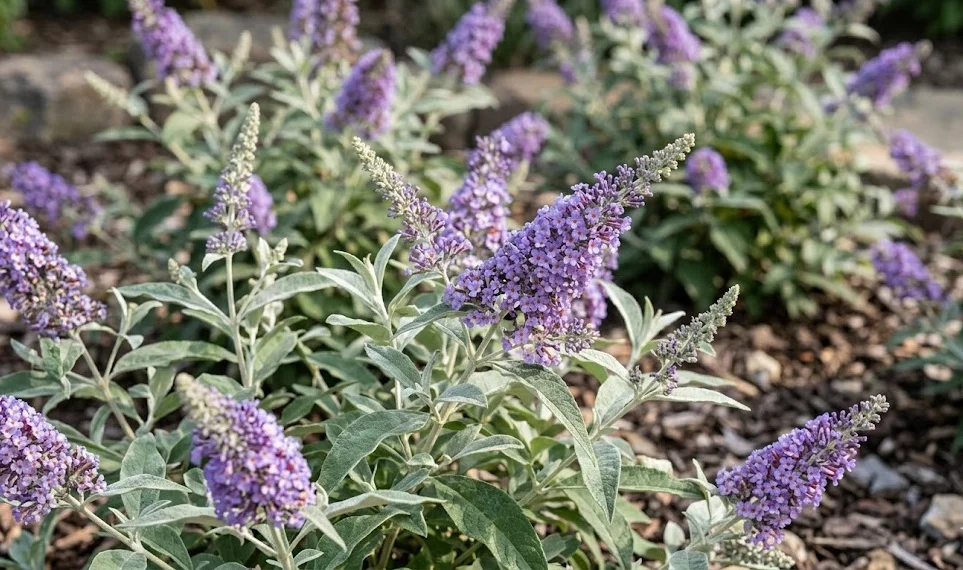

Preparing the Yunnan butterfly bush for the winter months is a critical task that ensures its survival and success in the coming year. This species is slightly more sensitive to extreme cold than some of its common relatives, making a professional wintering strategy essential in temperate climates. The primary goal is to protect the delicate root system and the woody structure from the drying effects of freezing winds and heavy snow. By taking a proactive approach in late autumn, you can provide the necessary buffer that allows this silver-leaved beauty to rest securely until spring.
The physiological process of hardening off begins as the daylight hours shorten and temperatures start to drop. You should support this natural transition by gradually reducing the amount of supplemental water you provide to the bush. Withholding fertilizer in the late summer is also important, as it prevents the growth of soft, new stems that would be easily killed by the first frost. A professional gardener understands that winter survival is as much about what you stop doing as what you start doing during the autumn months.
Site placement, which was decided during planting, plays its most significant role during the winter season. If the bush is located in a spot that is sheltered from the prevailing winter winds, its chances of survival are greatly increased. Wind can cause rapid dehydration of the stems, a condition known as winter burn, which can lead to significant dieback if not managed. If your plant is in an exposed location, you might consider creating a temporary windbreak using burlap or other breathable materials to offer extra protection.
Snow can be both a blessing and a burden for the Yunnan butterfly bush depending on its consistency and weight. A light, fluffy layer of snow acts as an excellent insulator, protecting the roots and the base of the plant from extreme temperature fluctuations. However, heavy, wet snow can weigh down the branches and cause them to snap, damaging the plant’s structural integrity. Gently brushing off heavy snow after a storm is a professional habit that prevents physical damage while maintaining the insulating benefits of the winter cover.
Mulching and root protection strategies
The most effective way to protect the root system of your bush is through the application of a thick layer of organic mulch. In late autumn, before the ground freezes, you should spread a three to four-inch layer of wood chips, bark, or straw around the base of the plant. This mulch acts as a thermal blanket, slowing down the freezing and thawing cycles that can heave the soil and damage delicate roots. It also helps to retain a small amount of moisture in the soil, which is vital for the plant’s survival during dry winter spells.
More articles on this topic
It is important to ensure that the mulch does not directly touch the main stem of the shrub, as this can encourage moisture buildup and rot. Creating a small gap between the bark and the mulching material allows for proper air circulation around the crown of the plant. This professional technique protects the roots while safeguarding the upper portions of the bush from decay. As the mulch slowly decomposes over the winter, it will also provide a head start on soil fertility for the following spring.
In regions with exceptionally cold winters, you may want to consider mounding extra soil or mulch around the lower six to twelve inches of the stems. This “hilling” technique provides an extra layer of protection for the dormant buds near the base of the plant. Even if the upper branches suffer from winter kill, these protected buds will ensure that the plant can regrow vigorously once the weather warms up. This is a common practice for many woody ornamentals that are living at the edge of their hardiness zone.
Finally, check the moisture levels of the soil one last time before the ground officially freezes for the season. If the autumn has been particularly dry, providing a deep watering will help the plant enter dormancy with a full reservoir of hydration. Frozen soil prevents the roots from taking up any new water, so ensuring they are well-hydrated beforehand is a professional priority. A well-watered plant is far more resilient to the stresses of winter than one that is already struggling with drought.
Managing the plant during the dormant period
Once the bush has entered true dormancy, its maintenance requirements drop significantly, but it should not be entirely forgotten. Periodic inspections throughout the winter can help you identify any physical damage caused by storms or local wildlife. Some animals may attempt to gnaw on the bark of woody shrubs when other food sources are scarce, which can be devastating for the plant. If you notice signs of animal damage, installing a simple wire mesh guard around the base can provide an effective barrier.
More articles on this topic
You should resist the urge to do any significant pruning during the middle of winter, even if you see dead wood. Pruning stimulates the plant and can expose tender inner tissues to the cold, which may lead to further damage. It is much better to wait until the worst of the winter has passed before reaching for your shears to clean up the bush. A professional gardener knows that patience is a virtue when it comes to managing the dormant cycles of sensitive ornamental species.
If you are growing your Yunnan butterfly bush in a large container, its wintering needs are much more intensive than those of a plant in the ground. Potted plants are more exposed to the cold because the roots are not insulated by the mass of the earth. You should move the container to a sheltered spot, such as against a south-facing wall or into an unheated garage or shed. Wrapping the pot itself in bubble wrap or burlap can also help maintain a more stable temperature for the root ball inside.
Observing how the plant interacts with its winter environment will provide valuable insights for your future gardening decisions. You may notice that certain parts of the bush are more resilient than others, or that specific areas of your garden offer better protection. Keeping a simple log of the winter conditions and the plant’s response can help you refine your care routine over several years. This analytical approach is what allows professional horticulturists to successfully grow plants in challenging climates.
Preparing for the spring transition
As the days begin to lengthen and the first signs of spring appear, the process of waking up the bush must be handled with care. You should wait until the danger of hard frosts has passed before removing any supplemental winter protection like burlap wraps or extra mounding. Uncovering the plant too early can expose the waking buds to sudden cold snaps, which are often more damaging than the steady cold of winter. A professional transition is gradual and follows the cues of the local weather rather than a fixed calendar date.
Once the ground has thawed, you can begin to pull back the excess mulch from the base of the plant to allow the soil to warm up in the sun. This is also the time to perform a thorough inspection of the branches to identify any winter dieback that needs to be removed. You can check if a branch is still alive by gently scratching the bark; if it is green underneath, the wood is healthy and ready to grow. If it is brown and brittle, it should be pruned back to the nearest healthy bud later in the spring.
The first watering of the spring should be deep and thorough to help wash away any salts that may have accumulated and to wake up the root system. As the new silver leaves begin to unfurl, you can consider applying a balanced, slow-release fertilizer to support the initial burst of growth. Watching the plant come back to life after a long winter is one of the most rewarding moments for any dedicated gardener. Your careful wintering efforts will be evident in the vigor and beauty of the new season’s growth.
Finally, take a moment to evaluate the success of your wintering strategy and make any necessary adjustments for the following year. If the plant suffered more damage than expected, consider providing more protection or moving it to a more sheltered location. Gardening is a continuous cycle of learning and adaptation, and each winter provides a new opportunity to improve your skills. With professional care and attention, the Yunnan butterfly bush will remain a stunning focal point in your landscape for many years to come.