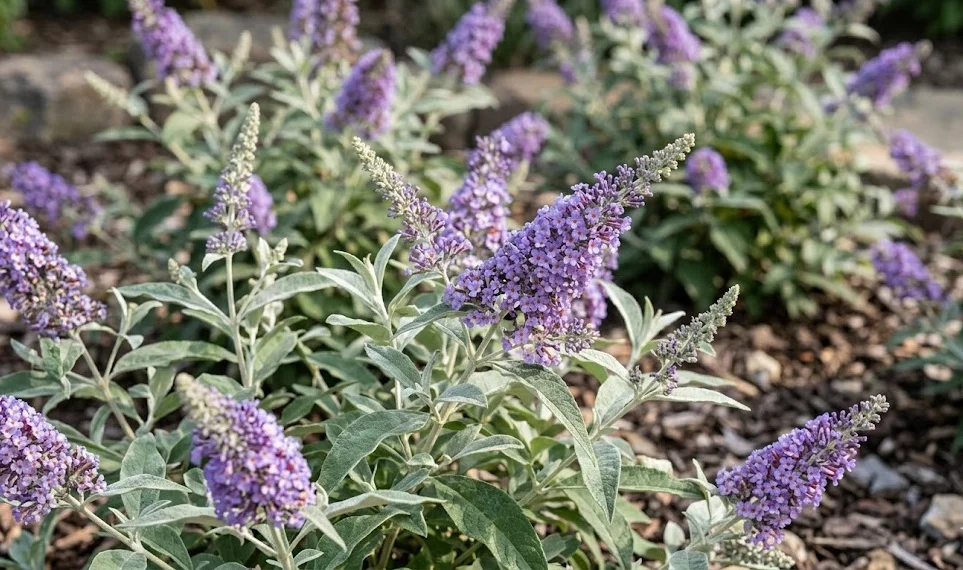

Establishing a successful maintenance routine for the Yunnan butterfly bush requires a deep understanding of its unique botanical origins and physiological needs. This shrub is widely recognized for its stunning silvery-grey foliage and delicate lavender blooms that provide a distinct aesthetic contrast in any garden setting. Unlike its more common relatives, this specific variety demands a slightly more nuanced approach to ensure it reaches its full ornamental potential throughout the growing season. By prioritizing the foundational aspects of its environment, gardeners can enjoy a vibrant and healthy specimen that anchors the landscape with elegance.
Professional horticulturists often emphasize that the initial transition period after planting is the most critical phase for the plant’s long-term health. You should monitor the soil moisture levels daily during the first few weeks to ensure the root system establishes itself without the stress of dehydration. While the bush is known for its resilience once established, the early stages of development are when the plant is most vulnerable to environmental fluctuations. Providing a stable environment during this formative time will reward the gardener with a much more robust and drought-tolerant shrub in the following years.
The overall vitality of the Yunnan butterfly bush is closely linked to the cleanliness and organization of the area immediately surrounding its base. Removing fallen leaves and spent flowers regularly helps prevent the buildup of pathogens and discourages the presence of unwanted pests that might compromise the plant’s health. Maintaining a clear zone around the main stem also allows for better air circulation, which is essential for preventing fungal infections on the lower branches. A tidy garden bed is not just about aesthetics; it is a functional requirement for keeping this particular species thriving and disease-free.
Observation is perhaps the most valuable tool in a gardener’s arsenal when it comes to the ongoing care of this silvery-leaved beauty. You should take the time to inspect the undersides of the leaves and the tips of new growth for any signs of stress or nutritional deficiencies. Early detection of yellowing leaves or stunted growth allows for quick interventions that can save the plant from more significant damage. Developing a keen eye for the subtle changes in the plant’s appearance will ensure that you are always one step ahead of any potential issues that may arise.
Understanding the ideal soil composition
The foundation of a healthy Yunnan butterfly bush lies in the quality and structure of the soil in which it is anchored. This species prefers a well-draining substrate that allows oxygen to reach the roots while retaining just enough moisture to sustain growth. Heavily compacted or clay-heavy soils can lead to root rot, which is often fatal for this delicate shrub if not addressed immediately. Mixing organic matter such as compost or well-rotted manure into the planting hole can significantly improve the soil’s texture and drainage capabilities.
More articles on this topic
Ph levels play a significant role in how the plant absorbs essential nutrients from the ground, so testing your soil is highly recommended. The Yunnan butterfly bush thrives best in neutral to slightly alkaline conditions, which mimics its natural limestone-rich habitats in East Asia. If your soil is naturally acidic, applying a small amount of garden lime can help balance the environment to better suit the bush’s requirements. Consistent monitoring of these chemical properties will ensure that the plant does not suffer from locked-out nutrients or toxic mineral buildups.
Mulching is another essential practice that contributes to the long-term health of the soil and the plant alike. Applying a thick layer of organic mulch around the base of the shrub helps regulate soil temperature and prevents the rapid evaporation of moisture. As the mulch breaks down over time, it slowly releases beneficial nutrients back into the earth, creating a self-sustaining cycle of fertility. Be sure to keep the mulch a few inches away from the main trunk to avoid moisture retention against the bark, which could lead to decay.
Aeration of the soil should be performed periodically to prevent the ground from becoming too dense over several growing seasons. You can use a garden fork to gently loosen the soil around the drip line of the plant, taking care not to disturb the primary root mass. This practice encourages deeper root penetration and allows rainwater to reach the lower levels of the soil profile more effectively. A breathable soil environment is the secret to the vigorous growth and abundant flowering that this species is known for among experts.
Strategic location and environmental factors
Choosing the right spot in your garden is the most impactful decision you will make regarding the care of this silver-foliaged shrub. The Yunnan butterfly bush needs a position that is sheltered from harsh, drying winds that can damage its soft, felt-like leaves. Large structures or evergreen hedges can serve as excellent windbreaks, providing a stable microclimate that allows the bush to focus its energy on flowering. A protected location also helps the plant retain its heat during the cooler months, which is vital for its survival in temperate zones.
More articles on this topic
The proximity of other plants should also be considered to ensure that there is no intense competition for space and resources. This shrub has a naturally spreading habit, and it needs enough room to expand its canopy without being shaded out by larger trees. Giving the plant sufficient breathing room also facilitates better airflow, which is the best natural defense against mildew and other humidity-related issues. Proper spacing reflects a professional understanding of the plant’s mature dimensions and growth rate.
Elevation and drainage patterns within the garden can also affect how the plant interacts with its environment over time. Avoid planting the bush in low-lying areas where water tends to pool after a heavy rainstorm, as this will surely lead to health complications. Ideally, a slightly raised bed or a gentle slope provides the perfect drainage that this species requires to stay healthy. Understanding the topography of your landscape will help you place the bush in a spot where it can truly flourish without constant intervention.
The aesthetic integration of the bush into the landscape also plays a role in how it is perceived and cared for by the gardener. Placing it where it can be easily accessed for pruning and inspection ensures that maintenance tasks are never overlooked due to inconvenience. Its striking silver color makes it an ideal focal point, drawing the eye and making it easier to notice if the plant needs attention. A well-placed shrub is not only healthier but also contributes more significantly to the overall harmony of the garden design.
Monitoring seasonal growth patterns
The growth cycle of the Yunnan butterfly bush is strongly influenced by the changing seasons, and care routines must adapt accordingly. In the early spring, the plant begins to push out new growth, which is the signal to start increasing your attention and nutrient support. This is the time when the plant is most hungry for energy as it builds the framework for its upcoming floral display. Observing these early signs of life allows you to time your interventions perfectly with the plant’s natural rhythm.
As the heat of summer intensifies, the bush enters its most active flowering phase, requiring consistent support to maintain its beauty. You might notice the growth rate slowing down slightly during the peak of July, which is a natural response to the high temperatures. During this period, the focus should shift from encouraging new height to maintaining the quality of the existing foliage and blooms. Providing a little extra care during the hottest days will keep the plant looking fresh and vibrant even when others are wilting.
Autumn brings a transition toward dormancy, and the plant’s care requirements become significantly less demanding. You will see the flowering begin to taper off and the wood start to harden in preparation for the coming winter months. This is a natural process of maturation that should be respected by reducing the amount of supplemental water and food provided. Allowing the plant to slow down naturally is essential for its long-term stamina and ability to withstand the winter.
Winter care is mostly about protection and patience rather than active manipulation or feeding. The plant enters a deep rest, and the best thing a gardener can do is ensure the environment remains stable and undisturbed. Monitoring for any physical damage from snow or ice is important, but otherwise, the plant should be left alone to recover its energy. Understanding these four distinct phases of life will make you a much more effective and professional caretaker of this unique species.
Enhancing the floral display
The main attraction of this shrub is undoubtedly its beautiful clusters of flowers that attract a wide variety of pollinators. To maximize the quantity and quality of these blooms, you must ensure the plant is receiving the right balance of nutrients throughout the spring. While the bush is naturally floriferous, a little extra help can result in larger panicles and a more extended flowering season. Healthy, vigorous plants will always produce a more impressive show than those struggling with environmental stressors.
Deadheading, or the removal of spent flowers, is a professional technique that keeps the plant looking tidy and encourages further blooming. When you remove the fading flowers, the plant redirects its energy away from seed production and back into the development of new buds. This simple task can significantly extend the period of color in your garden, sometimes by several weeks. It also prevents the plant from looking messy or neglected as the older flowers turn brown and dry up.
The timing of these blooms is generally from mid-summer through early autumn, providing color when many other garden plants have finished their display. You should appreciate the architectural beauty of the flower spikes, which can grow quite long under the right conditions. The lavender-blue hue is particularly striking against the silver leaves, creating a sophisticated color palette that is highly prized in modern landscaping. Watching the local butterfly population flock to these flowers is one of the most rewarding aspects of caring for this bush.
Scent is another dimension of the floral display that should not be overlooked by the dedicated gardener. The Yunnan butterfly bush produces a delicate, honey-like fragrance that is most noticeable in the late afternoon and early evening. To fully enjoy this sensory experience, consider placing the plant near a walkway or a patio where the scent can be appreciated. A healthy plant with well-timed care will produce a much stronger fragrance, adding another layer of value to your outdoor space.
Long-term health and vitality
Ensuring the longevity of your Yunnan butterfly bush involves a commitment to consistent, low-stress care over many years. This species can live for a long time if it is not subjected to extreme environmental shocks or severe neglect. Regularly replenishing the organic matter in the soil ensures that the plant always has a reservoir of nutrients to draw from as it grows. A proactive approach to health is always better than a reactive one when dealing with such a specialized ornamental shrub.
The structure of the plant should be evaluated every few years to ensure it remains balanced and aesthetically pleasing. Over time, some of the older wood may become less productive, and a professional gardener knows when to encourage new growth from the base. Maintaining a youthful vigor within the plant’s framework is key to preventing it from becoming leggy or unattractive. This balance between old and new wood is a hallmark of an expertly maintained specimen.
Environmental adaptation is a slow process, and older plants often become more attuned to their specific microclimate than younger ones. You should avoid transplanting a mature bush unless it is absolutely necessary, as the shock to the root system can be severe. Once the plant has found its rhythm in your garden, it is best to let it stay put and continue to build its strength. A stable, long-term home is the greatest gift you can give to this beautiful Chinese native.
Finally, sharing your experiences and observations with other gardening enthusiasts can enhance your own understanding of the plant. Every garden is different, and the way the Yunnan butterfly bush responds to your specific conditions might offer unique insights. Keeping a simple garden journal can help you track the plant’s progress and identify long-term trends in its growth and health. This level of dedication transforms gardening from a hobby into a professional pursuit of botanical excellence.
Professional tips for maximum impact
When designing your garden around this shrub, consider using it as a silver backdrop for plants with darker, more saturated foliage. The contrast between the felt-like grey leaves and deep green or purple plants creates a visual depth that is very effective in professional designs. This “moonlight garden” effect is particularly beautiful in the evening when the silver leaves seem to glow in the fading light. Using the plant’s natural color to your advantage is a mark of a truly skilled landscape designer.
Don’t be afraid to experiment with the placement of smaller perennials around the base of the bush to create a multi-layered effect. Low-growing herbs like lavender or creeping thyme can complement both the color and the cultural requirements of the butterfly bush. These companion plants can also help suppress weeds and keep the soil cool, providing additional benefits to the main shrub. A holistic approach to the entire planting bed will result in a much more resilient and attractive garden.
Always use the highest quality tools when performing any maintenance tasks on your Yunnan butterfly bush. Sharp, clean bypass pruners are essential for making clean cuts that heal quickly and do not invite disease. Investing in good equipment is a reflection of your professional commitment to the health of your plants and the success of your garden. Taking the time to clean your tools between different plants also prevents the accidental spread of pathogens throughout your landscape.
Lastly, remember that gardening is a continuous learning process that requires patience and humility. Even the most experienced professionals occasionally encounter challenges with specific species or unusual weather patterns. Stay curious and be willing to adjust your care routines as you learn more about the unique personality of your Yunnan butterfly bush. Your dedication to the art of horticulture will be reflected in the thriving, beautiful shrub that graces your garden year after year.