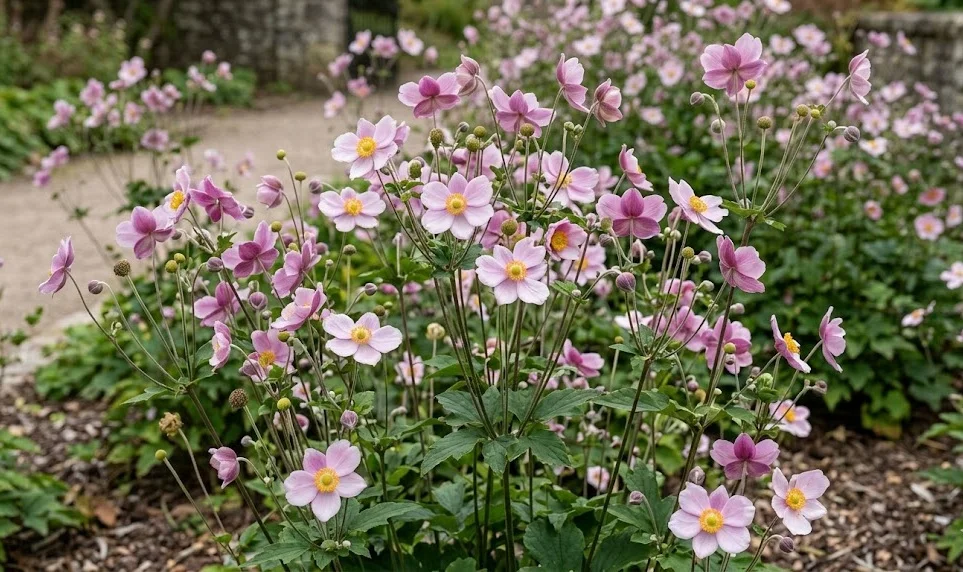

Pruning is a vital aspect of maintaining the health and aesthetic appeal of the Chinese anemone, yet it is a task that requires a thoughtful and strategic approach. Unlike some woody shrubs that need intensive structural pruning, these perennials benefit from more targeted maintenance that focuses on removing dead material and encouraging new growth. Knowing when and how to cut back your plants can prevent disease, improve the quality of the flowers, and keep your garden looking tidy throughout the changing seasons. With a few professional techniques, you can master the art of pruning these elegant autumn favorites.
Deadheading for continuous beauty
The practice of “deadheading,” or removing spent flowers, is one of the simplest ways to keep your Chinese anemones looking their best during the long blooming season. When a flower begins to fade and the petals start to drop, you should follow the stem down to the first set of healthy leaves and make a clean cut. This prevents the plant from putting its energy into seed production and can sometimes encourage the development of smaller, lateral flower buds. While it won’t always lead to a massive second flush of blooms, it significantly cleans up the appearance of the plant.
Deadheading also has the practical benefit of reducing the amount of self-seeding that occurs in the garden, which is important if you are trying to keep a tidy and controlled landscape. Some varieties of Chinese anemones can be quite prolific seed-producers, and you may find unwanted seedlings popping up in unexpected places if the seed heads are left to mature. By removing the faded blossoms, you take control of the plant’s spread and focus its resources on maintaining a strong and healthy root system. It is a relaxing and rewarding task that allows you to spend more time observing your plants up close.
When deadheading, always use a pair of sharp, clean snips or garden scissors to avoid crushing the delicate stems. A clean cut heals much faster and is less likely to become an entry point for fungal spores or other pathogens. It is also a good habit to wipe your tools with a disinfectant between different plants to prevent the accidental spread of any diseases. Taking these small professional steps ensures that your pruning routine is helping, rather than hurting, the overall health of your garden.
As the main flowering season comes to a close in late autumn, you can choose to stop deadheading and leave the remaining seed heads for their ornamental value. The “cotton-ball” appearance of the ripe seeds can be quite beautiful when caught in the morning frost, adding a bit of architectural interest to the winter garden. However, if you prefer a more manicured look, you can continue to remove the spent stems until the plant begins to go dormant. The choice is yours, depending on the style of garden you want to create.
More articles on this topic
Seasonal cleanup and dormancy
Once the first hard frosts have arrived and the foliage of the Chinese anemone has turned completely brown, it is time for the major seasonal cleanup. This task involves cutting back the entire plant to within a few inches of the ground to prepare it for its winter rest. This is not just an aesthetic choice; removing the old, dead material is a key part of garden hygiene. Old leaves can trap moisture against the crown of the plant, creating an environment where rot and mold can easily thrive during the wet winter months.
Using a pair of sturdy garden shears, work your way through the clump, removing the tall stems and the mass of basal leaves. Be careful not to cut into the crown itself, as this is where the new growth will emerge in the spring. If the plant is very large, you can do this in stages, first removing the tall stems to gain access to the base and then clearing away the remaining foliage. This thorough cleanup makes it much easier to apply a protective layer of mulch over the root zone for the winter.
The material you remove should be cleared away from the area and either composted or disposed of, depending on its health. If you noticed any signs of leaf spots or pests during the summer, it is best to get that material out of the garden entirely to prevent the issues from returning next year. A clean slate in the autumn means fewer headaches in the spring and a much better start for the next growing season. Professional gardeners always prioritize this kind of preventative maintenance as part of their year-round care plan.
In early spring, you may find a few stray leaves or bits of stem that you missed during the autumn cleanup. You can take this opportunity to do a final “grooming” of the area before the new shoots start to push through the soil. Be very gentle as you work around the crown, as the emerging buds are quite tender and can be easily snapped off. A tidy garden bed in the spring allows the new growth of the Chinese anemone to take center stage without any competition from last year’s debris.
More articles on this topic
Tools and techniques for precision
The quality of your pruning work is directly related to the quality of the tools you use, so investing in a few professional-grade items is always a wise move. For the delicate tasks of deadheading and light trimming, a pair of sharp bypass pruners or specialized floral snips is ideal. These tools are designed to make clean, scissor-like cuts that minimize damage to the plant tissue. Always keep your blades sharp, as a dull tool will tear the stems, leading to slower healing and a higher risk of disease.
For the heavier task of cutting back the entire plant in the autumn, a larger pair of garden shears or heavy-duty loppers may be more appropriate, especially for established clumps with thick stems. Whatever tool you choose, make sure it is comfortable in your hand and easy to operate to prevent fatigue. Proper ergonomics are just as important for the gardener as they are for the health of the plants. Regular maintenance of your tools, including oiling and sharpening, will ensure they last for many years and perform perfectly every time.
When making a cut, always aim to prune just above a node or a set of leaves, which encourages the plant to heal and branch out from that point. Avoid leaving long “stubs” of stem, as these will eventually die back and can become a site for decay. A clean, angled cut allows water to run off the surface rather than sitting on top of the wound, which is another small but important detail in professional plant care. These precision techniques might seem minor, but they add up to a much healthier and more resilient garden over time.
Finally, remember that pruning is an opportunity to learn more about the growth habits and needs of your Chinese anemone. As you work with the plant, take note of which stems are the strongest and where the most flowers are produced. This knowledge will help you make better decisions about placement, watering, and fertilizing in the future. Gardening is a lifelong learning process, and pruning is one of the best ways to get “up close and personal” with the plants you love. With a little practice and the right tools, you will become a master of anemone maintenance.