
Understanding the specific light preferences of these woodland perennials is the key to achieving the most vibrant foliage and successful fruiting displays. In their natural environment, they have adapted to a very specific set of lighting conditions that change with the seasons. A gardener must try to replicate this balance of early spring brightness and deep summer shade to keep the plants healthy and vigorous. Proper placement within the garden’s light hierarchy is a professional necessity for anyone looking to cultivate these unique botanical specimens.
The importance of woodland dappled shade
In the wild, these plants are typically found growing on the forest floor, where the light is filtered through the canopy of deciduous trees. This “dappled shade” is their ideal environment because it provides enough energy for growth without the intensity of direct, burning sunlight. During the early spring, before the trees have fully leafed out, the plants receive a significant amount of bright, indirect light. This is when they do the majority of their growing and energy storage for the year.
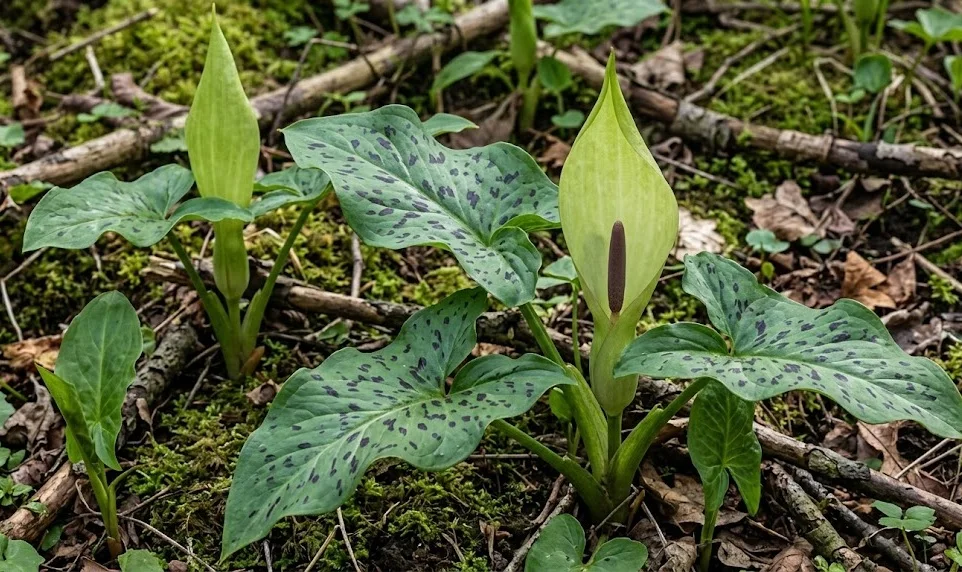
If the plants are placed in a location that is too dark, they may become “leggy,” with long, weak stems and smaller leaves. The characteristic mottled markings on the foliage may also be less pronounced in deep, heavy shade where the plant is struggling to capture enough light. Aim for a spot that receives bright, morning light followed by cool shade during the hottest part of the afternoon. This mimics the natural movement of the sun across a woodland clearing and provides the perfect balance for healthy development.
Conversely, too much direct sun, especially during the middle of the day, can be very damaging to the delicate leaf tissues. The leaves may develop brown, scorched patches, or the entire plant may wilt prematurely as it loses moisture too quickly. If you notice that your plants are looking stressed and pale, they might be receiving more light than they can handle. Consider adding some taller companion plants or a trellis to provide the necessary shade and protection from the sun’s intensity.
The quality of the light is just as important as the quantity; indirect, reflected light is often better than a few hours of harsh, direct sun. Planting near a light-colored wall in a shaded corner can help bounce beneficial light onto the plants without the heat associated with direct rays. Professional garden designers often use these kinds of tricks to optimize the growing conditions for shade-loving species. Finding the right light levels is an art that requires observation and a bit of experimentation in each unique garden.
More articles on this topic
Seasonal light shifts and foliage health
The relationship between the plant and its light source shifts significantly as the season progresses from spring into summer. In the early weeks of the year, the plant is a “sun-seeker,” using every available photon to power its rapid leaf expansion. As the temperatures rise and the summer solstice approaches, the plant’s strategy changes to one of protection and conservation. This is why the natural closing of the tree canopy in late spring is so perfectly timed for the plant’s needs.
By mid-summer, when the light is at its most intense, the foliage of the lords and ladies has often already started to wither and fade. This is a brilliant evolutionary adaptation that allows the plant to avoid the most stressful lighting conditions of the year. The developing fruiting spike, however, remains above ground and is much more resilient to the higher light levels. This stalk needs some light to properly ripen the berries, but it still prefers the cool, shaded microclimate provided by the forest floor.
Gardeners should be aware of any changes in the light environment throughout the year, such as the removal of a nearby tree or the pruning of a large shrub. Sudden exposure to high light levels can shock an established colony and lead to a decline in health. If a major change occurs, you may need to provide temporary artificial shade until the plants can adapt or until you can plant new screening. Being proactive about managing the light environment is a key part of long-term horticultural success.
The color and texture of the leaves are the best indicators of whether the light levels are correct for your specific location. Healthy leaves should be a deep, rich green with clear, sharp markings and a slightly waxy sheen. If they appear yellowish or washed out, it may be a sign of too much light, while very dark, thin leaves suggest a need for a bit more brightness. Regular observation allows you to make small adjustments to the environment before any permanent damage occurs to the plants.
More articles on this topic
Optimal light for berry production and seeds
The final stage of the plant’s visible lifecycle is the production of the striking red berries, which also has specific light requirements. While the foliage prefers shade, the developing fruit spike benefits from a slightly brighter environment to ensure the seeds mature correctly. The energy for this process has already been stored in the tuber, but light still plays a role in the final ripening phase. A spike that is in absolute, deep darkness may produce fewer or less vibrant berries than one in a brighter spot.
This is another reason why a location with dappled light is superior to one with constant, heavy shade. The movement of light through the day ensures that the fruiting spike receives intermittent bursts of energy without overheating. This balance supports the complex biological processes that turn the green berries into their final, brilliant scarlet color. The visual impact of these berries is one of the main reasons people grow this plant, so getting the light right is essential for the best display.
In late summer and autumn, the light levels naturally begin to fall again, which coincides with the final dispersal of the seeds by birds. The fading light signals to the plant that it is time to finish its reproductive work and return to its underground dormancy. This perfect synchronicity between the plant’s needs and the natural light cycle is a testament to its successful evolution in temperate climates. Respecting this cycle in your garden will lead to the most natural and healthy-looking specimens.
When planning your garden layout, think about how the light will hit the berry spikes in the late afternoon. Backlighting can make the red berries glow brilliantly, creating a stunning visual focal point in a shaded border. This kind of aesthetic consideration, combined with the plant’s biological needs, is what elevates a garden from good to truly professional. Light is the most powerful tool in a gardener’s kit, and mastering its use with woodland plants is a rewarding challenge.