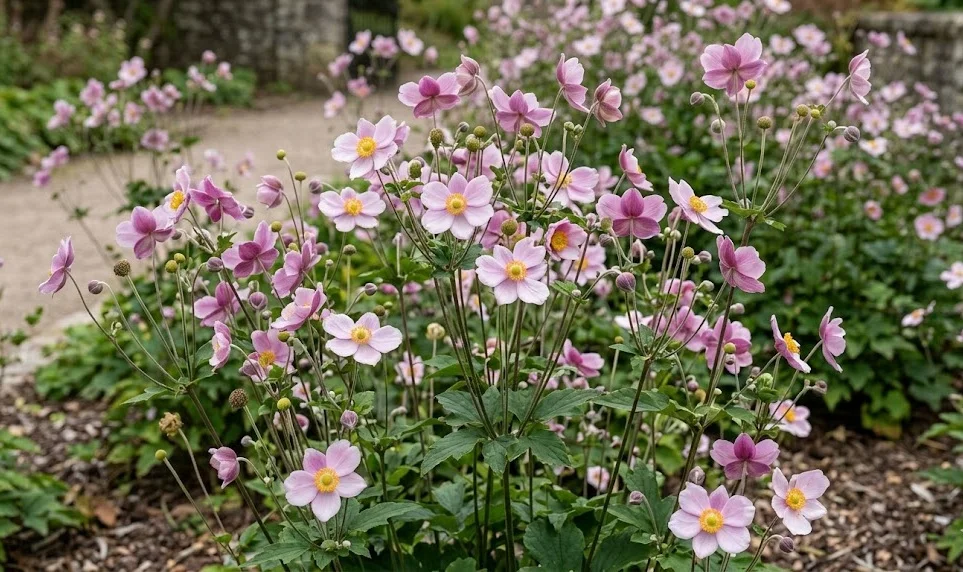

Proper hydration and nutrient management are the twin pillars of success when it comes to maintaining a thriving Chinese anemone. These plants are native to damp woodland edges, meaning they have a low tolerance for drought and a high demand for consistent soil moisture throughout the growing season. Simultaneously, they require a steady supply of nutrients to produce their tall, blossom-heavy stems in the late summer. Balancing these needs without over-saturating the soil or causing excessive leaf growth is the mark of a skilled and attentive gardener.
Principles of effective irrigation
The primary goal of watering your anemones is to maintain a state of “consistent dampness” without allowing the soil to become swampy. During the spring, when the plant is just starting to wake up, the natural rainfall is often enough to satisfy its needs. However, as the foliage expands and the temperatures rise in the summer, you will need to step in with supplemental irrigation. Always check the soil a few inches below the surface; if it feels dry to the touch, it is time to water.
Watering at the base of the plant is much more effective than using an overhead sprinkler, as it delivers the moisture directly to the roots where it is needed. This method also keeps the foliage dry, which significantly reduces the risk of fungal diseases like powdery mildew or leaf spots. Early morning is the best time for irrigation, allowing any accidental moisture on the leaves to evaporate quickly as the sun rises. If you must water in the evening, try to be extra careful not to wet the green parts of the plant.
During periods of extreme heat or prolonged drought, you may find that you need to water your anemones every day, especially if they are planted in a sunnier spot. Mulching is your best ally here, as it acts as a barrier that slows down the evaporation of water from the soil surface. A thick layer of bark or compost can reduce the frequency of watering needed and keep the root zone at a much cooler, more stable temperature. Never wait until the plant starts to wilt, as this causes stress that can reduce the quality of the autumn flowers.
In the autumn, as the plant begins to flower, it is essential to maintain steady moisture to support the energy-intensive blooming process. However, once the plant starts to go dormant and the leaves turn yellow, you should gradually reduce the amount of water you provide. Over-watering a dormant plant can lead to root rot during the cold, wet winter months. Understanding the seasonal shift in the plant’s water requirements is a key part of professional horticultural care.
More articles on this topic
Nutrient requirements and timing
Chinese anemones are moderately heavy feeders that benefit from a structured fertilization plan tailored to their growth stages. In the early spring, as the first shoots emerge, applying a balanced, slow-release organic fertilizer can provide the necessary foundation for the season. This initial boost helps the plant develop a strong root system and healthy, vibrant foliage before the heat of summer arrives. Look for a fertilizer with an equal ratio of nitrogen, phosphorus, and potassium to support all aspects of plant health.
As the plant moves into its mid-summer growth spurt, a second application of nutrients can be beneficial, particularly in poorer soils. However, you should be careful not to overdo the nitrogen at this stage, as it can lead to lush, soft growth that is more susceptible to pests and may cause the flower stems to flop. Switching to a formula that is slightly higher in phosphorus and potassium will encourage the development of strong stems and abundant flower buds. Professional growers often use a liquid seaweed extract or a high-potassium “tomato-style” fertilizer during this period.
It is generally best to avoid fertilizing in the late summer or autumn, as you do not want to encourage new, tender growth just as the plant should be preparing for dormancy. Any new foliage produced late in the year will likely be damaged by the first frosts, wasting the plant’s valuable energy reserves. Instead, focus on maintaining the health of the existing foliage through proper watering and pest management. The goal is to build a resilient plant that has stored enough energy in its rhizomes to survive the winter and return stronger next year.
Always apply granular fertilizers to moist soil and water them in immediately to help the nutrients reach the root zone and prevent root burn. If you are using compost or well-rotted manure as a top-dressing, you are providing a gentle, long-term source of nutrition that also improves the soil structure. Many successful gardeners find that a combination of organic top-dressing and targeted supplemental fertilizing yields the best results. Monitoring the plant’s color and growth rate will tell you if your nutrient strategy is on the right track.
More articles on this topic
The role of organic matter
Organic matter is the lifeblood of a healthy garden soil and is particularly important for plants like the Chinese anemone that thrive in woodland-like conditions. Regularly incorporating compost, leaf mold, or aged manure into your garden beds improves the soil’s ability to hold both water and nutrients. This creates a buffer that protects the plants during dry spells and ensures a steady supply of minerals throughout the growing season. Soil that is rich in organic matter also supports a healthy population of beneficial microbes and earthworms.
One of the best ways to provide this organic matter is through a process called “mulch-feeding,” where you apply a thick layer of compost around the base of the plants each spring. As the mulch breaks down over the course of the year, it slowly releases nutrients into the soil in a form that is easily accessible to the plant roots. This method mimics the natural recycling of nutrients that occurs on a forest floor, creating a self-sustaining system for your perennials. It also keeps the soil friable and easy for new rhizomes to move through.
If your soil is particularly sandy or lacks structure, you may need to be more aggressive with your organic amendments during the initial planting phase. Digging in large amounts of well-rotted organic material will help create the moisture-retentive environment that anemones need to survive. Over time, consistent top-dressing will maintain these levels and prevent the soil from reverting to its previous state. The difference in plant health between a lean soil and one rich in organic matter is often quite dramatic.
Beyond nutrition, organic matter also helps to regulate the pH of the soil, keeping it within the range that is most favorable for nutrient uptake. Chinese anemones prefer a neutral to slightly acidic environment, and the natural breakdown of organic material tends to move the soil in that direction. By focusing on the health of the soil through organic additions, you are making the rest of your gardening tasks, like watering and fertilizing, much more effective. A healthy soil leads to a healthy, low-maintenance plant.
Recognizing and correcting deficiencies
A professional gardener must be able to “read” their plants to identify when they are not getting the nutrients or water they need. Yellowing leaves, also known as chlorosis, can be a sign of several different issues, ranging from iron deficiency to over-watering. If the yellowing occurs primarily on new growth while the veins remain green, it often points to a micronutrient deficiency. In this case, a foliar spray containing chelated iron or a balanced liquid fertilizer can provide a quick fix while you address the underlying soil health.
Stunted growth and a lack of flowers are often symptoms of a general lack of nutrients or poor soil structure that prevents roots from expanding. If your anemones look healthy but simply refuse to bloom, they may be receiving too much nitrogen and not enough phosphorus. You can try to correct this by applying a high-phosphorus fertilizer in the early summer of the following year. However, sometimes a lack of flowers is simply due to the plant being too young or having been recently moved.
Water stress is usually easier to identify, as the plant will show immediate signs of distress such as wilting or scorched leaf edges. If the tips of the leaves turn brown and brittle, it is often a sign that the plant has experienced a period of severe drying. While the plant will usually recover once watered, the damaged leaves will remain until they are replaced by new growth. Consistent monitoring and the use of a simple soil moisture meter can help you avoid these peaks and valleys in hydration.
Over-fertilizing can be just as damaging as under-fertilizing, often leading to a buildup of salts in the soil that can burn the roots. If you see a white crust on the soil surface or if the leaf edges appear burnt despite adequate watering, you may have applied too much fertilizer. The best solution is to flush the soil with plenty of clean water to wash away the excess salts and then hold off on fertilizing for the rest of the season. Balancing your inputs is the key to maintaining a stable and healthy growing environment.
Adjusting for container-grown plants
Growing Chinese anemones in pots and containers requires a slightly different approach to watering and fertilizing compared to those in the ground. Containers dry out much faster than garden beds, so you will need to check them daily, especially during the hot summer months. Using a high-quality, peat-free potting mix that contains some moisture-retaining granules can help keep the root zone hydrated. Make sure the container has plenty of drainage holes to prevent the soil from becoming waterlogged.
Because the volume of soil in a container is limited, the nutrients are depleted much more quickly than in the open ground. You will likely need to fertilize your container-grown anemones more frequently, perhaps every two weeks with a diluted liquid fertilizer during the growing season. A balanced liquid feed is usually the most effective way to ensure the plant gets what it needs without causing a buildup of salts. Stop fertilizing in late summer to allow the plant to prepare for its winter rest.
The type of container you choose can also affect the moisture levels; terracotta pots are porous and dry out faster than plastic or glazed ceramic ones. If you live in a particularly hot climate, a non-porous pot might be a better choice for moisture-loving plants like the anemone. You can also place the pot on a saucer filled with pebbles and a little water to increase the local humidity, although this is usually more important for indoor plants. Just be careful that the bottom of the pot is not sitting directly in water for long periods.
In the winter, container-grown anemones are more vulnerable to the cold because their roots are not protected by the large mass of the earth. You may need to move the containers to a more sheltered spot or wrap them in burlap to prevent the soil from freezing solid. Reduce watering significantly during the winter, but don’t let the soil become bone-dry for months at a time. With a little extra attention, these elegant perennials can be a stunning addition to your patio or balcony displays.