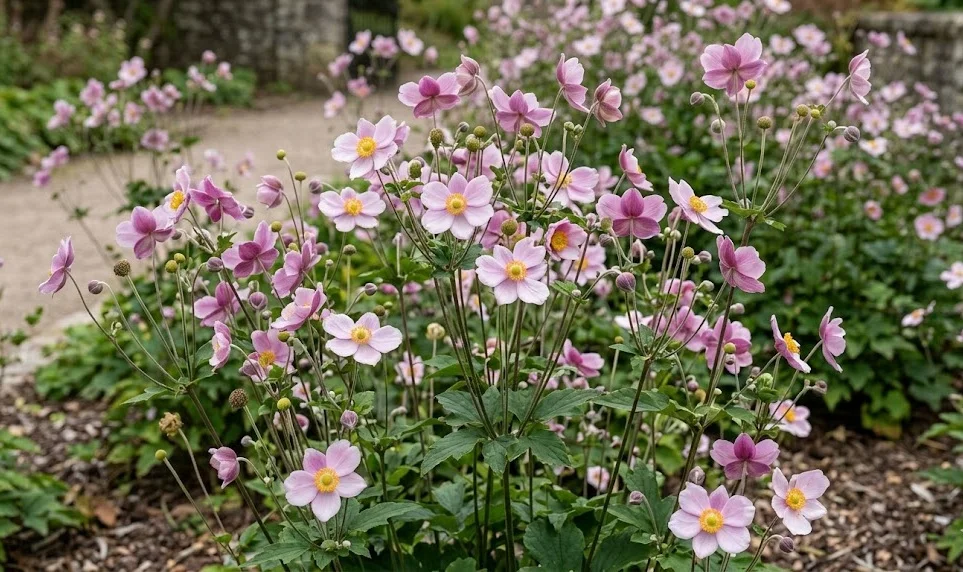

The Chinese anemone is a remarkably elegant perennial that brings life to the late summer and autumn garden when many other flowers have already faded. These plants are known for their delicate, wind-swayed blooms and their ability to thrive in partially shaded areas where other sun-loving species might struggle. Proper care involves understanding their specific needs regarding soil moisture, light exposure, and seasonal maintenance to ensure a long-lasting display of color. By following a few expert guidelines, you can enjoy these sophisticated flowers year after year with minimal effort.
Ideal growing environment
Choosing the right spot is the first step toward a healthy and vibrant plant that will return each season. These perennials prefer a location that mimics their native woodland edges, offering a balance of light and protection from harsh elements. Soil quality is paramount, as they require a medium that is rich in organic matter and stays consistently moist but never waterlogged. You should look for a place in your garden that receives morning sun but remains shaded during the hottest part of the afternoon.
The texture of the soil should be loose and loamy to allow the delicate root systems to expand without resistance. If your garden has heavy clay soil, it is essential to incorporate plenty of compost or well-rotted manure to improve drainage and aeration. Conversely, sandy soils will benefit from the addition of organic bulk to help retain the moisture that these plants crave. Testing your soil’s pH can also be helpful, as they generally prefer a neutral to slightly acidic environment for optimal nutrient uptake.
Air circulation is another factor that many gardeners overlook when placing their anemones in the landscape. While they enjoy the protection of larger shrubs or trees, they should not be crowded so tightly that air cannot move freely around their foliage. Good airflow helps prevent the buildup of humidity, which can lead to various fungal issues during the damp days of late summer. Aim for a spot that is sheltered from strong, drying winds that might snap the tall, slender flower stems.
Finally, consider the long-term placement of these plants, as they do not particularly enjoy being moved once they have become established. They have deep-running rhizomes that can be sensitive to disturbance, so choosing a permanent home from the start is highly recommended. Look for a location where they have room to spread naturally over the years, creating a lush carpet of green foliage. Planning ahead will save you the trouble of trying to transplant a stubborn and established root system later on.
More articles on this topic
Soil preparation and maintenance
To provide the best start for your plants, you should focus heavily on the nutritional profile of the soil before the growing season begins. Incorporating a thick layer of organic mulch every spring will mimic the natural leaf litter of a forest floor, providing slow-release nutrients. This mulch also serves the dual purpose of keeping the root zone cool and preventing the evaporation of vital soil moisture. Use high-quality compost or leaf mold for the best results in sustaining the plant’s vigor.
During the active growing season, you should monitor the soil consistency to ensure it remains friable and easy for roots to penetrate. If you notice the ground becoming compacted due to foot traffic or heavy rains, gently loosen the surface with a hand fork. Be extremely careful not to dig too deep, as you might accidentally damage the shallow parts of the rhizome system. Keeping the soil structure open is vital for the exchange of gases between the roots and the atmosphere.
Nutrient management should be a consistent part of your gardening routine to support the heavy flowering phase in the fall. While these plants are not excessively heavy feeders, a balanced application of organic fertilizer in early summer can provide a much-needed boost. Avoid high-nitrogen fertilizers that promote leafy growth at the expense of flowers, as this can lead to tall, floppy stems. Instead, look for a formula that supports overall plant health and strong root development.
In the late autumn, after the first few frosts have occurred, you can assess the soil health one last time before winter sets in. Adding a fresh layer of mulch at this stage acts as an insulating blanket, protecting the dormant buds from extreme temperature fluctuations. This layer will gradually break down over the winter months, further enriching the soil for the following spring. Consistent soil maintenance is the secret to a professional-looking garden full of healthy, resilient perennials.
More articles on this topic
Managing the growth cycle
Understanding the life cycle of this perennial is key to providing the right care at the right time throughout the year. In early spring, the plant will emerge slowly, often appearing later than other spring-flowering species in the garden. You should mark the location of your anemones to avoid accidentally digging them up during early season weeding or planting. Once the first leaves appear, the plant will rapidly gain size and prepare for its late-season performance.
The mid-summer period is a time of steady growth where the foliage expands and the root system strengthens itself. During this phase, the plant focuses on building up energy reserves that will be used to produce the tall flower spikes later in the year. It is important to keep the plant well-watered during any summer dry spells to prevent growth from stalling or leaves from scorching. A healthy summer plant is much more likely to produce a prolific and stunning floral display in the fall.
As the days begin to shorten and temperatures cool slightly, you will notice the first flower buds forming at the tips of the stems. This is the most exciting part of the cycle, as the plant transforms from a green mound into a sea of delicate blossoms. The blooming period can last for several weeks, especially if the weather remains mild and the plant is protected from early hard frosts. During this time, the visual impact of the anemone is at its peak, attracting late-season pollinators to your garden.
After the flowering concludes, the plant will naturally begin to enter its dormant phase as the weather turns colder. The foliage will turn yellow and eventually brown, indicating that the nutrients are being pulled back into the rhizomes for storage. You can choose to leave the dried seed heads for winter interest or cut them back for a tidier appearance. Respecting this natural cycle and adjusting your care accordingly ensures the plant remains productive for many years to come.
Support and stability
Because the flower stems of the Chinese anemone can grow quite tall, providing some form of support is often necessary in exposed gardens. These stems are naturally flexible and designed to sway in the breeze, which is part of their aesthetic charm. However, heavy rains or sudden gusts of wind can cause the stems to collapse or lean awkwardly over neighboring plants. Implementing a subtle staking system early in the season can prevent these issues without ruining the natural look.
Circular metal supports or bamboo stakes connected with soft garden twine are excellent choices for maintaining the upright habit of the plant. It is best to put these supports in place when the plant is about half its final height so the foliage can grow through and hide them. This “invisible” support system allows the flowers to stand tall and proud while maintaining the graceful movement they are known for. Always check the ties periodically to ensure they are not cutting into the growing stems.
If you prefer a more natural approach, you can plant your anemones near sturdy shrubs that can act as a living trellis. The tall flower spikes will weave through the branches of the companion plants, gaining stability from the stronger woody structure. This method works particularly well in woodland-style gardens where a less formal appearance is desired. Just make sure the companion plants do not compete too heavily for water and nutrients in the shared root zone.
In areas with very calm weather, you might find that your plants do not need any support at all, especially if they are a shorter variety. However, being prepared for the occasional autumn storm is always a wise move for a professional gardener. If a stem does happen to break, it can be removed cleanly to allow the remaining flowers to take center stage. Maintaining a tidy and upright plant not only looks better but also improves the overall health and light exposure of the lower foliage.
Companion planting strategies
Integrating the Chinese anemone into a broader landscape design requires a thoughtful approach to companion planting. These perennials look their best when paired with plants that share similar cultural requirements but offer contrasting textures and colors. Ornamental grasses are a classic choice, as their fine blades provide a beautiful backdrop for the bold, rounded petals of the anemone. The golden hues of drying grass in the fall perfectly complement the soft pinks and whites of the flowers.
Hostas and ferns make excellent neighbors for the lower portions of the plant, as they thrive in the same moist, shaded conditions. The large, architectural leaves of a hosta can hide the base of the anemone stems, which can sometimes look a bit sparse as the season progresses. Ferns add a delicate, feathery texture that enhances the woodland feel of an anemone planting. This layering of foliage creates a lush, multi-dimensional garden bed that remains attractive even before the flowers arrive.
Late-flowering perennials like asters or monkshood can be used to create a vibrant tapestry of autumn color alongside your anemones. By selecting varieties that bloom at the same time, you can extend the season of interest in your garden well into the cooling months. Consider the color palette carefully, as the cool tones of purple asters often look stunning next to the pure white varieties of Chinese anemones. Grouping these plants in drifts rather than single specimens will result in a much more powerful visual impact.
Don’t forget the importance of spring-flowering bulbs that can occupy the space while the anemones are still dormant. Species like snowdrops or early daffodils can provide color in the early months and then fade away as the anemone foliage begins to fill the gap. This succession planting ensures that the garden bed is never empty or boring at any point during the growing season. A well-planned companion strategy makes the care of each individual plant much easier and more rewarding.
Seasonal maintenance tasks
Keeping your garden in top shape requires a consistent schedule of maintenance tasks that change with the seasons. In the spring, your main focus should be on cleaning up any debris from the previous year and preparing the soil for new growth. This is the ideal time to apply a fresh layer of compost and check the moisture levels of the ground. Removing any emerging weeds early will prevent them from competing with your anemones for resources later in the year.
Summer maintenance is largely focused on monitoring water needs and ensuring the plants stay hydrated during heatwaves. Deadheading spent flowers during the early part of the blooming season can sometimes encourage a second flush of smaller buds. While not strictly necessary for the health of the plant, it keeps the display looking fresh and prevents excessive self-seeding if that is a concern. Keep an eye out for any signs of stress, such as drooping leaves, which indicate a need for more frequent irrigation.
As autumn progresses, you can start thinking about how you want to handle the plant’s transition into winter. If you enjoy the look of frost-covered seed heads, you can leave the stems standing until late winter or early spring. This also provides a small amount of habitat for beneficial insects and birds that visit the garden during the colder months. If you prefer a cleaner look, you can cut the stems down to a few inches above the ground once the foliage has completely died back.
Finally, winter is a time for reflection and planning for the next growing season. Use this quiet period to assess which parts of the garden performed well and where improvements could be made. If your anemones seemed to struggle, consider whether they might need a different location or better soil preparation in the spring. Taking notes during the year will help you become a more effective and knowledgeable gardener over time. Proper maintenance is an ongoing process of observation and adjustment.
Long-term plant health
Ensuring the longevity of your Chinese anemone involves more than just daily care; it requires a holistic view of the plant’s environment. Over several years, a single plant can grow into a large clump that may eventually become overcrowded. If you notice the center of the clump producing fewer flowers or appearing less vigorous, it might be time to divide the plant. This process rejuvenates the individual sections and allows you to expand your collection or share with friends.
Monitoring the overall vigor of the plant each year will give you clues about the health of the underlying soil and root system. If the plant seems to be shrinking or the foliage is consistently pale, it may be a sign that the nutrients in the soil have been depleted. Regular additions of organic matter are usually enough to prevent this, but an occasional soil test can provide more specific guidance. A healthy plant is much more resilient to environmental stressors and minor pest issues.
The impact of changing weather patterns should also be considered when looking at the long-term health of your perennials. Increasingly hot and dry summers can put extra strain on moisture-loving plants like the anemone, making consistent mulching even more critical. You may find that you need to adjust your irrigation schedule or provide more temporary shade during extreme heat events. Being proactive about these changes will help your garden thrive despite the challenges posed by the climate.
Ultimately, the goal of any gardener should be to create a sustainable and balanced ecosystem where plants can flourish with minimal intervention. By understanding the specific needs of the Chinese anemone and providing a supportive environment, you are investing in a beautiful future for your garden. These flowers are a testament to the rewards of patience and expert care, offering a sophisticated end to the gardening year. With the right foundation, your anemones will remain a highlight of your autumn landscape for decades.