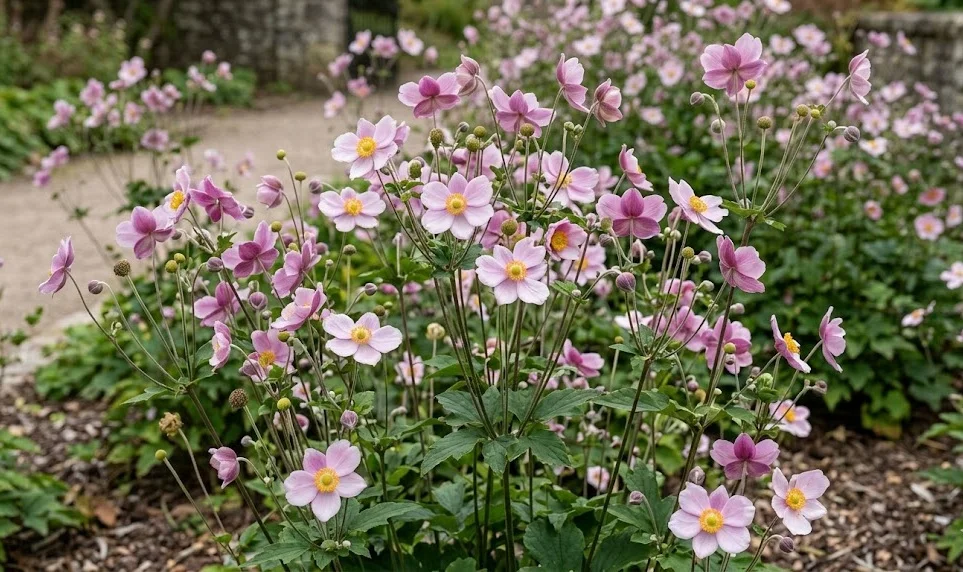

Preparing the Chinese anemone for the winter months is a critical task for any gardener who wants to see their perennials return with vigor in the spring. While these plants are generally hardy in many temperate climates, the combination of extreme cold and wet winter soil can be a challenge for their rhizomatous root systems. A professional approach to overwintering involves a combination of protective mulching, proper autumn pruning, and careful monitoring of soil moisture. By taking these steps, you can ensure that your anemones survive the dormant season and emerge ready for another year of spectacular growth.
Autumn preparation and pruning
As the days grow shorter and the first light frosts begin to touch the garden, the Chinese anemone will naturally start to enter its dormant phase. You will notice the foliage turning from a deep green to yellow and then eventually to a crisp brown as the nutrients are pulled back into the roots. This is the plant’s way of storing energy for the winter, and it is important to let this process complete naturally before you intervene. Do not be tempted to cut back green leaves, as this deprives the plant of vital resources.
Once the foliage has completely died back and turned brown, you can use sharp garden shears to cut the stems down to just a few inches above the soil line. This cleanup removes the old material that could harbor pests or fungal spores over the winter months, giving the garden a much tidier appearance. If you live in an area where the seed heads provide valuable winter interest, you can choose to leave them standing until late winter. However, for the health of the plant, removing the bulk of the dead foliage before the snow falls is generally recommended.
The removed plant material should be carefully inspected before it is added to the compost pile; if you see any signs of disease, it is better to dispose of it in the trash. Keeping the area around the crown of the plant clear of debris prevents the buildup of moisture that can lead to rot during the damp winter months. This is also a good time to check your plant labels to ensure they are still visible and haven’t been buried by falling leaves. Clear marking will prevent accidental damage when you are working in the garden in early spring.
In milder climates, some gardeners choose to leave the basal foliage intact to provide a natural layer of protection for the crown. However, in regions with heavy snow or frequent freeze-thaw cycles, a clean cut is usually the best professional practice. Regardless of which method you choose, the goal is to minimize the stress on the plant as it settles into dormancy. A little bit of work in the autumn goes a long way toward ensuring a successful overwintering process for your anemones.
More articles on this topic
Protecting the root zone with mulch
The most important part of overwintering the Chinese anemone is protecting its underground rhizomes from the damaging effects of extreme cold. While the roots are deep enough to survive a standard winter, a sudden and severe drop in temperature can still cause damage if the ground is bare. Applying a thick layer of organic mulch in late autumn is the most effective way to insulate the soil and keep the temperature stable. Use materials like shredded bark, leaf mold, or well-rotted compost for the best results.
Aim for a mulch layer that is about three to four inches deep, spreading it evenly over the entire area where the anemones are planted. This insulating blanket acts like a thermal buffer, slowing down the rate at which the ground freezes and thaws. These fluctuations are often more damaging to plants than consistent cold, as they can cause the soil to “heave,” pushing the roots out of the ground and exposing them to the air. A good mulch layer keeps the roots safely tucked away in the soil.
In addition to temperature regulation, mulch also helps to manage soil moisture levels during the winter months. It prevents the ground from becoming excessively dry during cold, windy spells and also helps to absorb excess rainfall to prevent waterlogging. For a moisture-sensitive plant like the anemone, this balanced environment is key to surviving until spring. Be sure to pull the mulch back slightly from the very center of the crown to allow for some air circulation and prevent rot.
By the time spring arrives, much of this organic mulch will have started to break down, enriching the soil with fresh nutrients for the new growing season. You can then gently rake away the excess or simply incorporate it into the top layer of the soil as you do your spring cleanup. This cycle of mulching is one of the best things you can do for the long-term health and resilience of your garden perennials. It is a simple, low-cost solution that provides enormous benefits throughout the year.
More articles on this topic
Managing winter soil moisture
One of the hidden dangers for dormant Chinese anemones is not the cold itself, but rather the presence of excessive moisture in the soil. Cold, wet ground is the perfect environment for root rot and other fungal pathogens that can destroy a plant before it ever has a chance to wake up. This is why proper site selection with good drainage is so critical for the long-term survival of these plants. If you know your garden has heavy, wet soil, you may need to take extra precautions during the winter.
If you are expecting a particularly wet winter, you can temporarily cover your anemone beds with a layer of evergreen boughs or a breathable garden fabric. This helps to deflect some of the excess rain while still allowing air to circulate around the plants. Avoid using plastic sheeting or other non-breathable materials, as these will trap moisture and heat, creating a greenhouse effect that can encourage rot. The goal is to keep the soil “damp” but never “saturated” throughout the dormant period.
Conversely, in areas with very dry winters and little snow cover, you may actually need to provide a small amount of water if the ground hasn’t frozen solid. If the soil becomes bone-dry for weeks at a time, the rhizomes can dehydrate, which weakens the plant and may lead to poor growth in the spring. This is rarely an issue in most temperate climates, but it is something for gardeners in arid regions to keep in mind. A quick check of the soil under the mulch every few weeks will tell you everything you need to know.
As the ground begins to thaw in late winter or early spring, keep a close eye on the drainage in your garden beds. If you see puddles forming around your anemones, it may be a sign that you need to improve the soil structure or create a small drainage channel to move the water away. Proper moisture management is a year-round task that requires a bit of observation and a willingness to adjust your approach based on the weather. A dry root is a happy root when the temperatures are near freezing.
Overwintering container plants
Chinese anemones grown in pots and containers require significantly more attention during the winter than those planted in the ground. Because the soil volume is small, the roots are much more exposed to the ambient air temperature and can freeze solid very quickly. If you live in a climate where temperatures regularly drop below freezing, you should move your containers to a more protected location. An unheated garage, a shed, or even a sheltered corner of the patio can provide the extra protection needed.
If moving the pots is not an option, you can wrap them in several layers of burlap, bubble wrap, or specialized frost blankets to provide insulation. Grouping several pots together also helps, as they can share their collective thermal mass and stay a few degrees warmer than a single isolated container. Make sure the pots are raised off the cold ground using “pot feet” or bricks to improve drainage and prevent them from freezing to the patio surface. A little bit of extra insulation can make the difference between a dead plant and a thriving one.
Watering container-grown anemones in the winter is a delicate balance that requires a light touch. You want to keep the soil from drying out completely, but you must be extremely careful not to over-water, as the plants are not actively using much moisture. Check the pots every few weeks and only add a small amount of water if the top inch of soil feels dry. If the soil is frozen, do not water at all, as the roots cannot absorb it and it will only contribute to potential ice damage.
In the late winter, as the days begin to warm, you can gradually move the pots back to their original locations and remove the protective wrapping. This is a good time to check for any signs of new growth and to refresh the top layer of soil with some fresh compost. Container gardening offers a lot of flexibility, but it also comes with the responsibility of being the plant’s primary protector during the harshest months of the year. With the right care, your potted anemones will return to brighten your garden season after season.