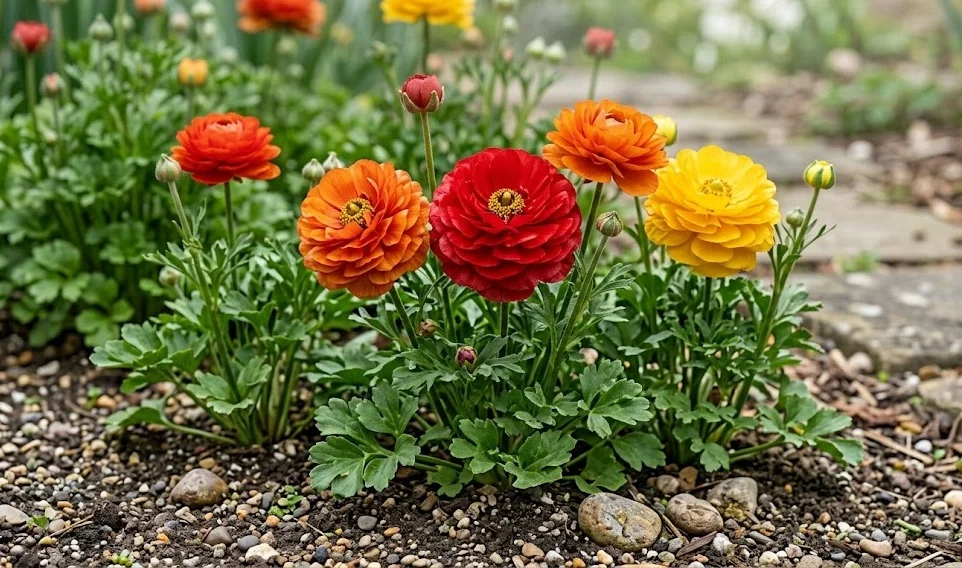

Successful establishment of these plants begins with the careful selection and preparation of the tubers, which are often referred to as claws due to their unique shape. You must inspect each specimen for signs of desiccation or mold before committing it to the soil to ensure a high germination rate. Soaking the tubers in room-temperature water for several hours is a professional technique used to rehydrate the tissues and jump-start the metabolic process. This initial phase sets the stage for a vigorous root system and a healthy canopy of foliage.
Site selection is a critical factor that determines the longevity and aesthetic quality of the floral display in your landscape. You should choose a location that receives ample morning sunlight but offers some protection from the intense heat of the mid-afternoon sun. The soil must be prepared deeply, ensuring that there are no large stones or compacted layers that could obstruct the downward growth of the roots. Proper spacing is equally important, as overcrowding can lead to poor air circulation and increased competition for essential soil resources.
The actual planting process requires precision regarding depth and orientation to facilitate the natural emergence of the sprouts. You should place the tubers with the pointed “claws” facing downwards at a depth of approximately five to eight centimeters. Covering the site with a light layer of soil and tamping it down gently will remove large air pockets without compressing the medium too much. An initial watering helps to settle the soil around the tubers, establishing the necessary contact for moisture absorption and root initiation.
Propagation allows you to expand your collection and share these beautiful flowers while maintaining the genetic integrity of specific varieties. Division of the tubers is the most common method, performed during the dormant period when the plant is not actively growing. You can also experiment with starting plants from seed, although this requires a more controlled environment and a significant amount of patience. Regardless of the method chosen, maintaining high standards of hygiene and environmental control is necessary for the successful development of new individual plants.