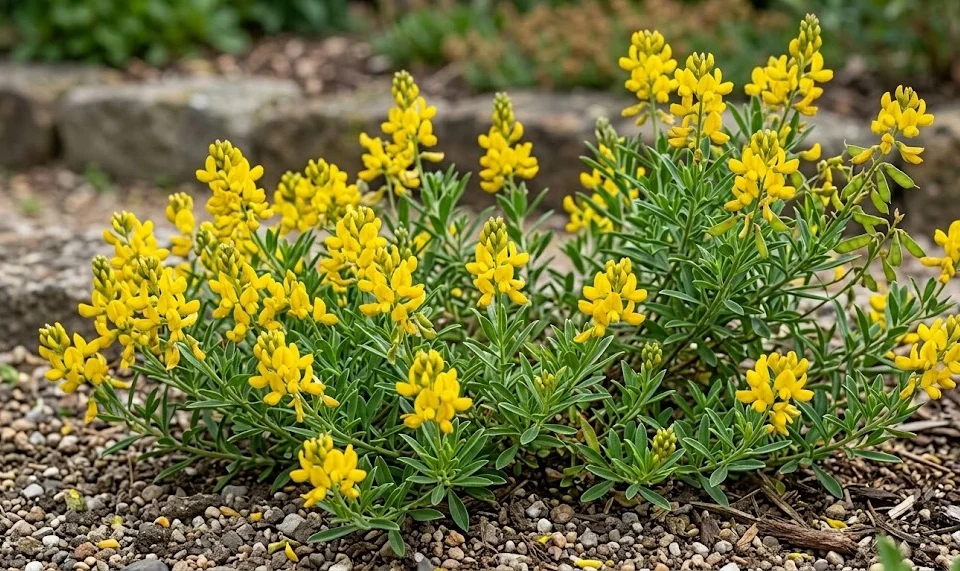

Pruning is a vital maintenance task that helps to keep this shrub looking tidy, vigorous, and full of flowers year after year. Because it flowers on the current season’s growth, the timing of your cuts is the most important factor to consider. You can use pruning to control the size of the plant, remove old wood, and encourage a flush of fresh, green stems. A professional approach to cutting back will prevent the plant from becoming woody and unproductive as it ages.
You do not need to be afraid of the pruning shears, as this plant responds very well to regular and even somewhat heavy trimming. In fact, neglecting to prune can result in a sprawling, messy shrub with a hollow center and very few flowers at the base. By understanding the growth habits of the species, you can use pruning as a tool to shape the plant to your specific needs. Consistency is key, and a quick annual trim is much better for the plant than a drastic “rescue” prune every few years.
Timing the pruning process
The ideal time to prune is in the early spring, just as the buds are beginning to swell but before any new leaves have fully opened. This allows the plant to heal its wounds quickly and put all its early-season energy into the stems that will carry this year’s flowers. If you prune too early in the winter, the open cuts may be damaged by frost, leading to dieback in the branches. Conversely, pruning too late in the spring will remove the very wood that would have produced your summer flower display.
After the first flush of flowers has faded in mid-summer, you can also perform a light “deadheading” or secondary trim. Removing the spent flower spikes prevents the plant from putting too much energy into seed production and may even encourage a smaller, second bloom. This summer trim also helps to maintain a neat shape and prevents the plant from looking ragged after its peak performance. You should avoid any significant cutting back after the middle of August to allow the plant to prepare for winter.
Structural and maintenance pruning
When you begin your annual spring prune, start by removing any branches that are dead, damaged, or showing signs of disease. These should be cut back to healthy, green wood or all the way to the main base of the plant if necessary. Next, look for any stems that are crossing or rubbing against each other, as these can create wounds that invite pests. Thinning out the center of the shrub slightly will improve air circulation and allow light to reach the inner parts of the canopy.
More articles on this topic
You can then focus on shaping the plant by cutting back the remaining healthy stems by about one-third to one-half of their length. Always make your cuts just above a healthy-looking bud that is facing away from the center of the plant. This encourages the new growth to spread outward rather than inward, maintaining the attractive mounded shape of the shrub. Using sharp, high-quality bypass pruners will ensure that your cuts are clean and heal as quickly as possible.
Rejuvenation of older plants
As the shrub gets older, it may start to develop thick, gnarled woody stems that produce very few leaves or flowers. If your plant has reached this stage, you can perform a rejuvenation prune to stimulate the growth of fresh, young wood from the base. This involves cutting about one-third of the oldest stems right down to the ground each year over a three-year period. This gradual process avoids shocking the plant while systematically replacing the old structure with new, productive growth.
Providing a bit of extra water and perhaps a very light feeding after a heavy rejuvenation prune can help the plant recover. You will be surprised at how quickly new shoots will emerge from the base once the old, dominant wood is removed. This technique can effectively double the productive life of a shrub that might otherwise have been destined for the compost pile. Maintaining a youthful structure through smart pruning is the hallmark of an expert gardener who understands the long-term needs of their plants.