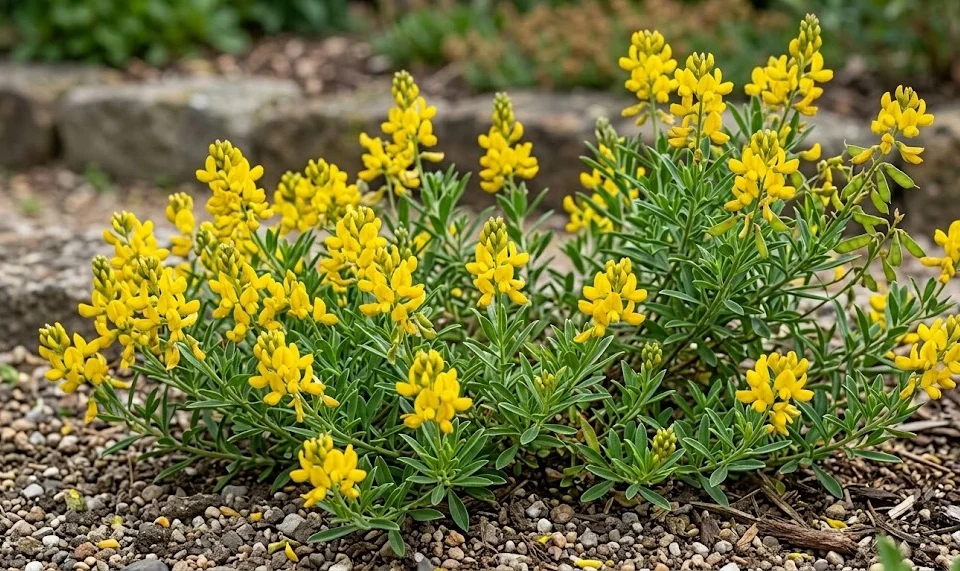

Successful establishment of this shrub begins with choosing the right time and method for introducing it into your garden. Spring is generally considered the ideal season for planting because it allows the root system to develop before the summer heat arrives. You must be mindful of the plant’s sensitive roots during the entire process to avoid transplant shock. Starting with healthy stock or fresh seeds is the foundation for a thriving and long-lasting horticultural specimen.
Before you begin the planting process, you should prepare the site by removing any competitive weeds or large stones. The soil does not need to be enriched with heavy compost, but loosening it will help the young roots spread. You should aim to plant during a cloudy day or in the late afternoon to reduce moisture loss from the foliage. Having all your tools and water ready will make the transition from the pot to the ground much smoother.
Site selection and soil preparation
The first step in planting is identifying a location that receives ample sunlight and offers excellent drainage. This plant is not picky about soil fertility, but it will suffer in heavy, waterlogged ground that lacks air pockets. You can improve the planting site by mixing in some sharp sand or fine gravel if your soil is naturally dense. Ensure the chosen spot allows enough room for the shrub to reach its full width of about sixty centimeters.
Once the site is chosen, dig a hole that is twice as wide as the current root ball but no deeper. This encourages the roots to grow outward into the surrounding soil rather than spiraling within the hole. You should avoid adding high-nitrogen fertilizers to the planting hole, as this can discourage the plant’s natural nitrogen-fixing abilities. Gently loosen the soil at the bottom of the hole to facilitate the downward growth of the primary taproot.
Planting techniques for success
When removing the plant from its container, be as gentle as possible to keep the root ball intact. Place the plant in the center of the hole, ensuring that the top of the root ball is level with the surrounding soil surface. Filling the hole back in should be done carefully to eliminate large air pockets without compacting the soil too tightly. You can use your hands to firm the soil around the base of the plant to provide immediate stability.
More articles on this topic
After the plant is secured in the ground, a thorough watering is necessary to settle the soil around the roots. This initial hydration helps the plant recover from the stress of being moved and encourages root-to-soil contact. You might consider applying a thin layer of organic mulch around the base, keeping it away from the stem itself. This helps retain some moisture during the critical first few weeks of establishment in the new environment.
Propagation from seeds
Growing this shrub from seeds is a rewarding process that requires patience and a bit of preparation. The seeds have a hard outer coat that must be softened or “scarified” to allow water to penetrate and trigger germination. You can achieve this by gently rubbing the seeds with sandpaper or soaking them in warm water for twenty-four hours. Once pre-treated, the seeds should be sown in a well-draining seed-starting mix at a shallow depth.
Keep the seed trays in a bright, warm location and ensure the growing medium remains consistently moist but not saturated. Germination can be irregular, so do not be discouraged if some seeds take longer to sprout than others. Once the seedlings have developed their first true leaves and are strong enough to handle, move them into individual pots. It is best to grow them in these containers for at least one full season before planting them in their permanent garden home.
Propagation from cuttings
If you want to create an exact clone of a specific plant, taking cuttings is the most effective method available. Softwood cuttings should be taken in early summer when the plant is actively growing but not yet flowering. Select healthy, non-flowering shoots and cut them to a length of about ten centimeters using a sharp, clean tool. Removing the lower leaves and dipping the base in a rooting hormone can significantly increase your success rate.
More articles on this topic
Insert the cuttings into a pot filled with a mixture of perlite and peat or a similar lightweight substrate. Place the pot in a humid environment, such as a propagator or under a clear plastic bag, to prevent the cuttings from drying out. You should keep them in indirect light and check regularly for signs of new growth or root development. Once the roots are firmly established, the young plants can be gradually hardened off and moved to larger containers.